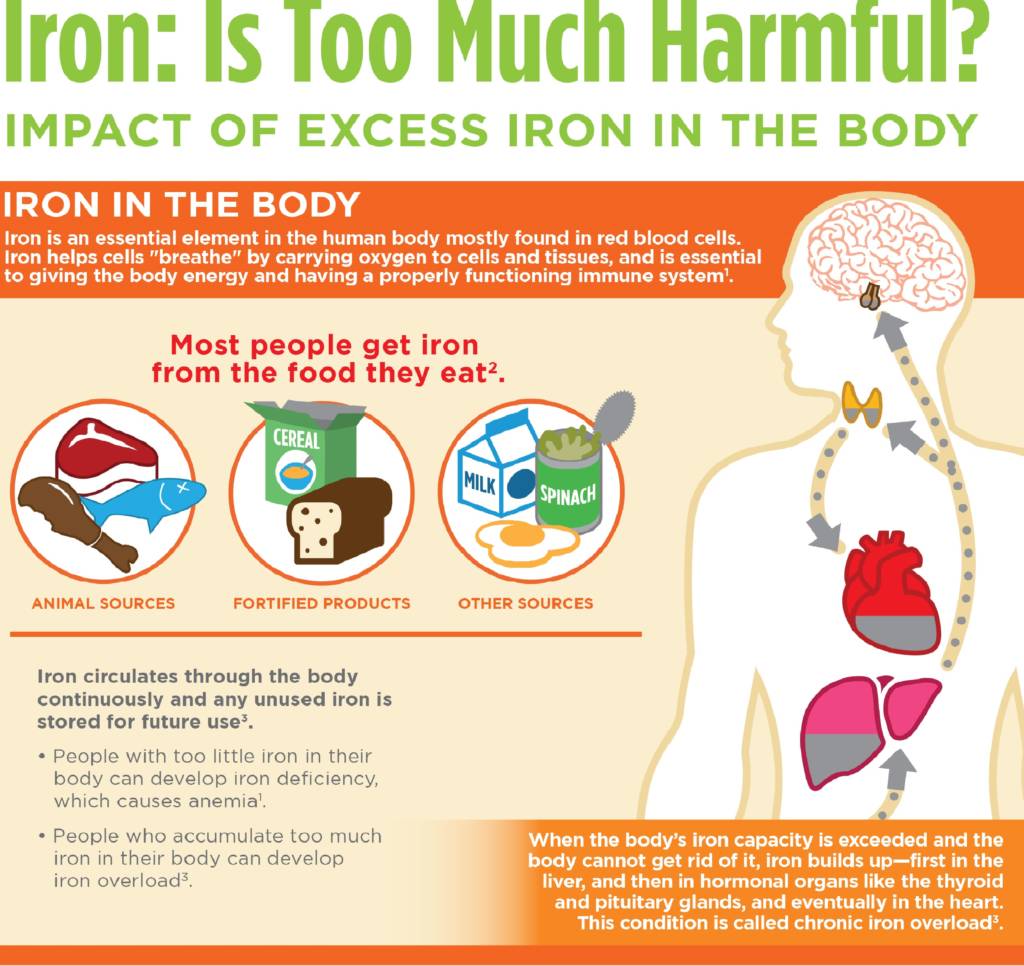
It’s no secret that iron, an essential nutrient, is necessary for proper body function. In addition to metabolizing proteins and playing a role in the production of hemoglobin and red blood cells, iron also, in turn, helps prevent conditions like anemia. Other health benefits include reducing fatigue.
Only, like most good things, too much iron can be bad for your health. In fact, iron overload can lead to liver damage, diabetes, discolored skin, heart attack, and cancer notes the University of Maryland Medical Center. An influx in iron has also been linked to sickle cell disease. As previously touched on, approximately 1 out 13 African American babies are born with the sickle cell trait, while 1 out of every 365 Black babies are born with the disease.
Fortunately for those experiencing a spike in iron, there are a handful of steps to reduce levels. By adjusting the foods, you eat and targeting those which impact absorption amounts, you can ensure you’re getting what you need, without all the fuss.
According to the National Institutes of Health (NIH), men should get 8 milligrams daily, while pre-menopausal women need 18 milligrams.
Here are a few good starting places to lower iron levels:
Limit Iron-Rich Foods
Saying no to foods that contain high amounts of iron, especially heme iron, can lower iron levels in your body. This is beneficial if you have hemochromatosis – a genetic, metabolic disorder that if left untreated, can damage joints, organs, and become fatal. It affects over 1 million Americans, the Iron Disorders Institute states.
Such iron-rich foods to avoid include oysters, red meat, beef liver and dark-meat poultry, per the Office of Dietary Supplements. If you do consume small amounts of these iron-rich foods, opt for a side that’ll aid in decreasing absorption. Such iron absorbing foods include milk, yogurt, cheese, sardines, canned salmon, tofu, broccoli, almonds, figs, turnip greens and rhubarb.
Pick Foods that Lower Absorption
Calcium-rich foods like eggs as well as foods containing phytates, polyphenols or oxalates impair nonheme iron absorption when eaten at the same time as iron-rich foods, as noted above. Aim for calcium-containing foods with a minimum of 300 milligrams. This is the equivalent to 1 cup of skim milk. Experts suggest coming in a little higher to inhibit heme and nonheme iron absorption.
Much needed oxalates can be found in tea and some vegetables, like spinach. Polyphenols on the other hand are present in coffee, teas, and cocoa. While, soy, fiber, nuts, legumes and whole grains provide a decent dose of phytates.
Limit Foods that Enhance Absorption
Just say no to foods that enhance nonheme iron absorption like vitamin C-rich foods. Examples include oranges, peppers, strawberries, broccoli, grapefruit, kiwi fruit and fruit juices. It only takes 100 milligrams of vitamin C to significantly boost iron levels, the Iron Disorders Institute says. Other foods that spike absorption are those rich in beta carotene: sweet potatoes, carrots, red meats; and alcoholic beverages.
For more information on easing iron over load and common complications of sickle cell disease, click here.


By subscribing, you consent to receive emails from BlackDoctor.com. You may unsubscribe at any time. Privacy Policy & Terms of Service.