
While uterine fibroids have been known to cause bloating, heavy menstrual bleeding, painful periods, and pain during sex, there’s one symptom that most people usually don’t expect. According to one study, however, almost eight percent of those with fibroids experience constipation. The question is: what can you do about it? The good news is that constipation relief is within reach!
While having fewer than three bowel movements a week is a common definition, constipation can manifest in other ways, too. You might experience:
Understanding your specific symptoms is the first step towards finding effective constipation relief.
RELATED: Fibroids: What Every Black Woman Should Know
Fiber can lead to more regular bowel movements by bulking up the stool and encouraging it to pass through the digestive system. However, you have to eat the right kind. It’s best to stick to the soluble fiber you can find in oat bran, oranges, apples, barley, nuts, broccoli, carrots, figs, seeds, beans, sweet potatoes, lentils, and peas.
Water is integral to the proper function of your digestive system, as it can prevent the dry, hard stools that are associated with constipation. Generally, doctors recommend that you drink eight glasses of water per day, but you can confirm this with your doctor.
Regular exercise doesn’t just help you maintain a healthy weight, it also ensures that many of your body’s systems run like clockwork. While more research needs to be done on the effect exercise has on constipation, several studies show that it can encourage regular bowel movements and alleviate some of the symptoms. Typically, you need 30 minutes of moderate exercise daily, but you can start slowly if you’re not an active person. If you have physical limitations, you should consult your doctor about which exercise routines are best for you.
Though the first three can make a difference, stool softeners can also get these moving quickly. Over-the-counter laxatives are usually effective, but you should talk to the pharmacist or your doctor to see which one would be right for you. Laxatives can have side effects and interact with certain medications.
RELATED: Feeling A Little Backed Up? 5 Natural Remedies for Constipation
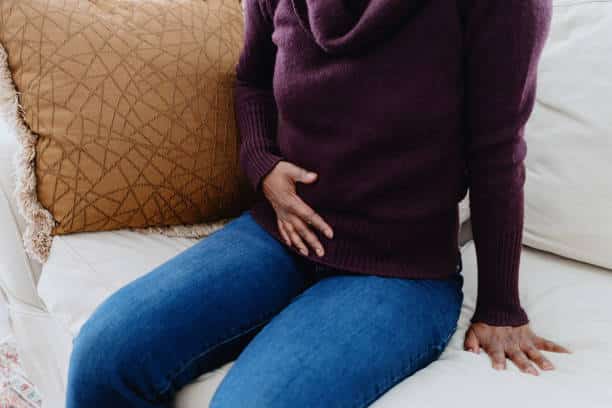
Generally, fibroids can cause constipation based on their size and where they’re located. If your fibroid is located close to the bowels, it can put pressure on the area and cause compression or a blockage. When there’s pressure or blockage, you may find that food doesn’t move through your digestive system the way it’s supposed to. Fibroids can also indirectly cause constipation. As they grow, fibroids demand more blood supply. This demand can affect how much blood is delivered to the surrounding organs and interfere with their regular function.
Additionally, the fibroid’s properties can affect people differently. For example, if your fibroid is putting pressure on the rectum, you may have trouble passing your stool effectively because it’s hard for it to get through.
Some of the other symptoms associated with constipation include bloating, discomfort, having fewer than three bowel movements per week, feeling as if your rectum is blocked, abdominal pain, hard, dry, or lumpy stools, and feeling as if you can’t empty your bowels.
RELATED: Top 5 Foods That Can Rescue You From Constipation
Though it can be helpful to make changes to your lifestyle and routine to encourage proper bowel movements, it might not be enough. In many cases, fibroids continue to grow if left untreated. For some people, larger fibroids only cause mild discomfort, but for others, they can cause significant issues. If you notice that you’re still dealing with constipation, it’s time to talk to your doctor about your treatment options. The only way to permanently tackle constipation that’s caused by fibroids is to treat the underlying condition. This is especially true if you’re experiencing other symptoms like heavy bleeding, as you might be dealing with anemia.
Many Black women are living with the symptoms of fibroids. Unfortunately, some don’t realize that their fibroids can also lead to constipation. You can usually get your bowel movements back on track with a few simple changes, but that doesn’t work for everyone. If your symptoms don’t improve, you should consult your doctor for more effective treatment options.


By subscribing, you consent to receive emails from BlackDoctor.com. You may unsubscribe at any time. Privacy Policy & Terms of Service.