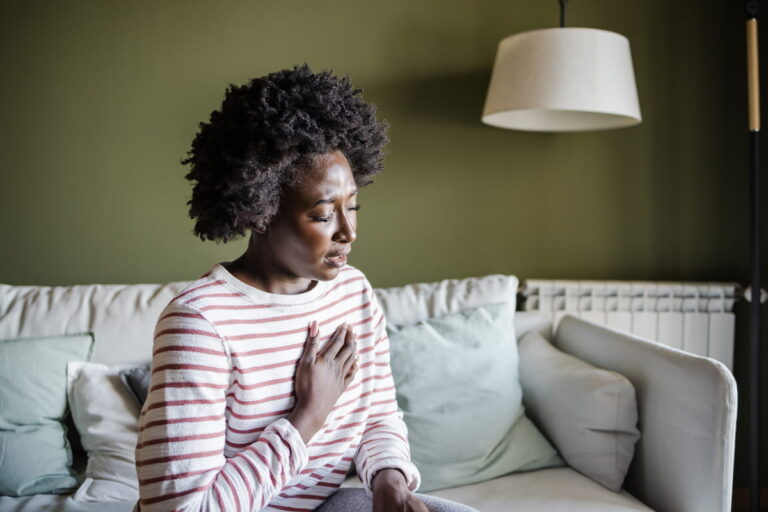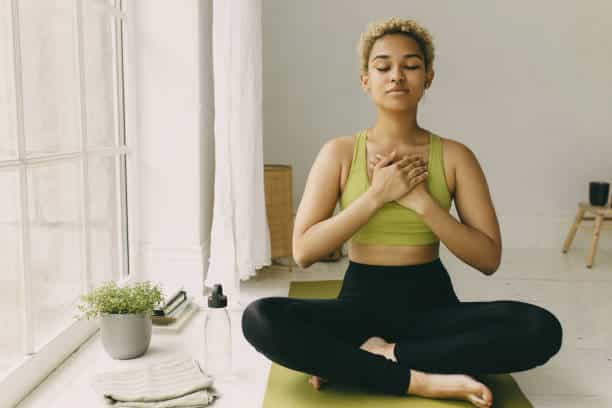
Are you looking for a relaxation meditation crash course?
Many say that meditation helps with health issues including calming nerves and lowers blood pressure.
But how does one meditate effectively?
Deepak Chopra defines meditation in his own words: “Everyone thinks that the purpose of meditation is to handle stress, to tune out, to get away from it all.
While that’s partially true, the real purpose of meditation is actually to tune in, not to get away from it all, but to get in touch with it all. Not to just de-stress, but to find that peace within, the peace that spiritual traditions talk about that passes all understanding.
So, meditation is a way to get in the space between your thoughts. You have a thought here, a thought here, and there’s little space between every thought.”
According to wisdom traditions, this space between the thought is the window, is the corridor, is the vortex to the infinite mind – the mystery that some people call the spirit or God.
We don’t have to use those terms, but it’s your core consciousness.
And the more we learn about this space between thoughts, we find certain things to be true of it:
In meditation, we get into this space so we find infinite possibilities, infinite correlation, infinite creativity, infinite imagination, and
infinite power of intention.
That’s what meditation is really about.
You can plugin, close your eyes, and go within in any safe place you choose where you will not be disturbed.
Morning and evening coincide with our body’s quieter rhythms. Our body knows how to be still; we just have to give it an opportunity.
Studies show that routines that began in the morning last the longest, but any time you look forward to meditating is the right time.
READ: 3 Life-Changing Benefits of Meditation
Being comfortable is most important.
It is preferable to sit up straight on the floor or on a chair to help cultivate alertness, but if you are ill or need to lie down, that is fine.
The mind has been conditioned to sleep when the body is lying down so you may feel sleepier. Your hands can relax on your
lap, palms up or any way that you feel most open.
Thoughts will inevitably drift in and dance around your mind, but that’s normal.
Don’t try to do anything with them – let them be.
If you find yourself thinking about what’s passing through your mind, just return to focusing your awareness on the mantra (a word or affirmation you repeat silently) or your breath – you will soon slip into the space between thoughts.
When we pay attention to our breath, we are in the present moment. In an unforced, natural rhythm, allow your breath to flow in and out, easily and effortlessly.
The effects of meditation are cumulative, and setting aside as little as 15 minutes a day to retreat and rejuvenate is beneficial.
Many schools of meditation prescribe 30 minutes of meditation twice a day, and as your meditation practice evolves, you can extend your time.
It’s better to spend just a few minutes meditating every day rather than meditating for an hour a week.
Visit the BlackDoctor.org Mental Health center for more helpful articles and tips.


By subscribing, you consent to receive emails from BlackDoctor.com. You may unsubscribe at any time. Privacy Policy & Terms of Service.