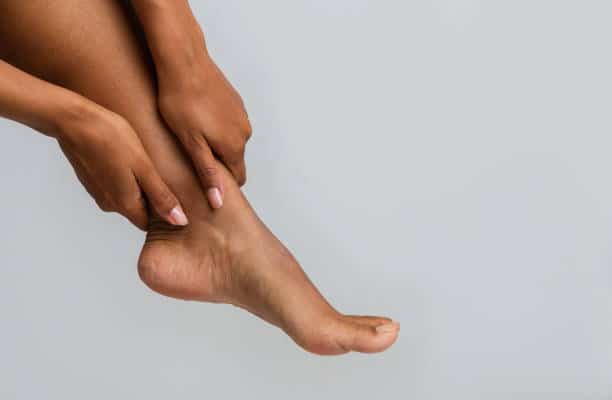
Healthy feet are happy feet and one sign that your feet might not be too happy are bunions. The large bumps that form on the side of your big toes can be extremely painful and can potentially lead to arthritis. If the pain interferes with daily activities like standing and walking, bunion surgery is an option, but in most cases, surgery isn’t necessary. You can manage and relieve pain by doing a few simple foot exercises. Try the moves below daily to get on the good foot.
To help relieve foot cramping and straining, roll the soles of your feet over a tennis ball or golf ball for two minutes.
Whether experiencing pain or not, it’s important to regularly stretch your toes. If you have bunions, stretching the toes will help relieve some of the pain and keep them flexible. Do 10 rounds of pointing your toes for five seconds and then curl your toes under tightly for five seconds.
Using your toes to grip and pick up objects will help with strength and flexibility. Not to mention, the challenge is FUN! Next time you’re cleaning up around the house, use your toes to pick up small objects instead of bending down (your back may even appreciate the break).
You can also place marbles on the floor and pick them up one at a time.
Bunions cause the big toe to be misaligned and physically grabbing your big toe and gently pulling it into proper alignment can be helpful. Try doing this stretch and holding the big toe in its proper place for at least 10 seconds, repeating it three to four times.
RELATED: Are Your Shoes Ruining Your Life?
Yoga really is a total body workout and the feet are not to be forgotten. Downward dog not only strengthens your calf muscles, but also the muscles in your feet (be sure to spread your toes).
You can also try giving yourself a “yoga handshake” by sitting down and alternating your fingers in between each toe. Roll the foot around and move it up and down. This creates space between the toes and helps them increase flexibility.
These exercises will not get rid of your bunions, but if your discomfort is minimal these exercises may keep you surgery-free.
RELATED: Got Corns & Calluses? Best Home Remedies for Pretty Feet
If you are experiencing severe bunion pain that cannot be relieved from these exercises, it’s advisable to see a doctor for an evaluation. However, the timing can depend on the severity of your symptoms. Here are some general guidelines:
A doctor, typically a podiatrist or orthopedic specialist, can evaluate the severity of the bunion, provide advice on pain management, recommend appropriate footwear, and discuss potential treatment options. In some cases, conservative measures such as shoe modifications, orthotics, or physical therapy may be recommended. If the bunion is severe or causing significant pain, surgical options may be discussed.
Remember, early intervention and proper care can help manage bunion symptoms and prevent further progression. If you have concerns about your foot health, it’s best to consult with a healthcare professional for personalized advice.
Visit the BlackDoctor.org Foot Care center for more articles.

By subscribing, you consent to receive emails from BlackDoctor.com. You may unsubscribe at any time. Privacy Policy & Terms of Service.