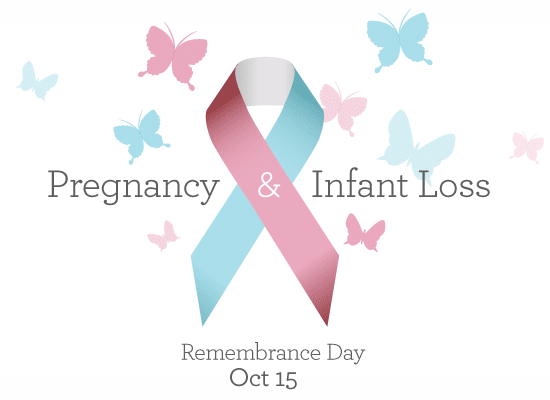
The fall season signifies shorter days and longer nights, falling leaves, apple and pumpkin pies, and for 15-20 percent of American families who suffer the lose of a baby, National Pregnancy and Infant Loss Remembrance Day is observed on October 15.
Black women are more susceptible to stillbirths, miscarriages, low-birth babies and pre-term labor compared to other women, and are thereby likely to account for a large percentage of the 15-20 percent of families who will remember their loss on October 15.
Causes and reasons for Black women’s increased risk of pregnancy loss include several variables: high levels of stress, access to adequate health care and coverage, and the following health conditions to name a few.
RELATED: Serena Williams Saves Her Own Life After Blood Clotting During Birth
APS is a syndrome characterized by a combination of symptoms, signs and/or test results. One sign or symptom of APS is pregnancy-related complications, including first-trimester miscarriage and second or third-trimester stillbirths.
APS affects pregnant women in multiple ways. In some women, APS antibodies can prevent a pregnancy from proper implantation in the womb.
In other women diagnosed with APS, blood clots in the placenta can lead to reduced blood and oxygen supply to the baby.
In both cases, the pregnancy can result in miscarriage or stillbirth.
Testing for APS is usually done by taking blood samples to check for the three specific APS antibodies. Once diagnosed with APS, medical treatment usually involves taking low doses of aspirin beginning in the first trimester of pregnancy, or as an early preventative measure, before conception.
In some cases, a doctor may advise that injections of a blood-thinning drug, called heparin, be administered to help prevent
blood clotting. Treatment for APS drastically increases the chances of having a healthy pregnancy.
Research and statistics show that thyroid conditions like Graves’ disease, diabetes, high blood pressure and obesity are more prevalent in the Black community.
Thyroid disease—hyper- and hypothyroidism–and uncontrolled diabetes, high blood pressure and obesity are health conditions, that if not properly controlled or treated, could lead to pregnancy loss. Blood tests are generally used to diagnose diabetes and thyroid conditions.
A BMI calculator can be used to determine obesity and assess one’s risk of becoming overweight. Lifestyle and diet changes sometimes coupled with prescribed medication can typically correct these conditions and increase the chances of a healthy pregnancy.
RELATED: Bacterial Vaginosis: What Causes It (And How To Deal With It)
Black women have the highest rates of bacterial vaginosis than any other group of women. Because pregnancy does not provide a shield of immunity against STDs and other viral and bacterial infections, pregnant women diagnosed with BV are at risk of pregnancy loss.
Under some conditions, bacterial infections can cause the lining of the uterus to become inflamed making it difficult for a baby to develop.
BV is commonly treated with antibiotics. Some practitioners believe that topically applying yogurt to the vagina is an alternative treatment option that helps to naturally balance harmful bacteria found in the vagina.

Andrea S. Moore is a native San Franciscan, public health social worker and freelance writer whose work can be seen on Huffington Post, The Guardian, JETmag.com and Clutch Magazine to name a few. Follow her on her blog at www.be-quoted.com and on Twitter @bequotedbyasm.


By subscribing, you consent to receive emails from BlackDoctor.com. You may unsubscribe at any time. Privacy Policy & Terms of Service.