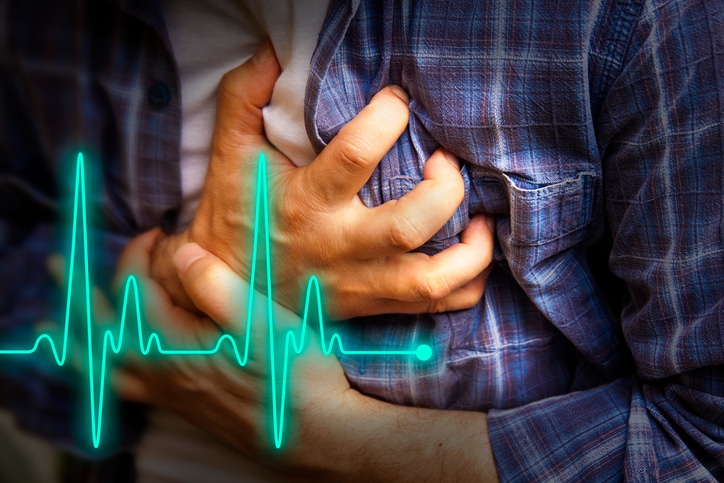
New research suggests black and white men may be more likely than women to have a silent heart attack — one that doesn’t trigger symptoms such as chest pain and cold sweats — but women may be more likely to die from a silent heart attack.
The findings, published Monday in the journal Circulation, also showed that blacks may fare worse than whites, although researchers point out the number of blacks in the study may have been too small to be certain.
Researchers analyzed data from about 9,500 U.S. black and white men and women. More than half were women and about 20 percent were black.
Researchers have known that silent heart attacks represent 22 percent to 60 percent of all heart attacks. In the new study, more than 45 percent of heart attacks were silent.
Previous studies in the U.S. have not looked at how they affect different sexes and races, said Elsayed Z. Soliman, M.D., the study’s senior author and director of the Epidemiological Cardiology Research Center at Wake Forest Baptist Medical Center in Winston-Salem, North Carolina.
Signs and symptoms of a silent heart attack may include mild chest pain, nausea, vomiting, unexplained fatigue, heartburn, shortness of breath, or discomfort in the neck or jaw, he says. That’s right: A silent heart attack may feel a lot like a bout of the stomach bug or the flu or indigestion.
Don’t think that these are harmless — quite the opposite. If you’re over 50, 40+ with a strong family history of heart disease, or have other risk factors like obesity, high blood pressure, diabetes, high cholesterol, or smoking, you should go see your doctor as soon as possible if your symptoms persist longer than 20 minutes or seem to worsen with activity.
Don’t wait to see if the symptoms clear up.
A key takeaway from the results, Soliman said, is that prevention of heart attacks should take into account sex and race. Women with cardiovascular disease, for example, may require different treatment strategies and medications than men.
“One size doesn’t fit all,” Soliman said.
Even so, the finding that women who have a silent heart attack are more likely than men to die needs to be confirmed, said Michael D. Shapiro, M.D., a cardiologist who specializes in cardiac imaging.
“You can’t make a definitive conclusion from the data they have here,” he said, adding that larger studies with more reported heart attacks are needed to know whether the finding is real.
Shapiro, an associate professor at Oregon Health & Science University, said the new research is still important because it is one of the few to look at race and gender differences in silent heart attack and its long-term effects on cardiovascular health.
A heart attack occurs when the blood flow to the heart is significantly reduced or cut off completely because of a clogged artery. Silent heart attack symptoms can appear so mild that they are barely noticed, if at all. They are detected later, usually when patients undergo an electrocardiogram to check their heart’s electrical activity, researchers said.
Silent heart attacks, once discovered, should be treated as aggressively as heart attacks with symptoms, Soliman said. In the new study, the rate of heart attacks with symptoms was higher in men than women.
Risk factors such as high cholesterol, diabetes and high blood pressure — which are the same for both types of heart attacks — must also be treated, he said. “[People] need to control the risk factors and follow up with their doctors.”


By subscribing, you consent to receive emails from BlackDoctor.com. You may unsubscribe at any time. Privacy Policy & Terms of Service.