Psoriasis is characterized by thick, scaly, itchy, and occasionally painful lesions that grow on the skin’s surface. Also known as psoriasis plaques, these lesions can range from mild to severe. They most typically affect the scalp, face, elbows, buttocks, and knees, but they can form anywhere on the body.
In more severe cases of psoriasis, plaques can fracture and bleed, resulting in fissures and open sores on the skin. Psoriasis fissures and exposed sores may be unpleasant and vulnerable to infection. For some people, they may also be a source of mental and emotional suffering.
If you live with psoriasis and sometimes encounter these symptoms, knowing a few easy first-aid procedures is a good idea to help protect your skin. This understanding can help you avoid infection and better manage your illness over time.
Keep in mind if you routinely develop fissures and open sores, your disease may not be well-controlled. Be careful to notify your doctor if you have these psoriasis symptoms frequently.
RELATED: Which Psoriasis Treatment Is Right For You?
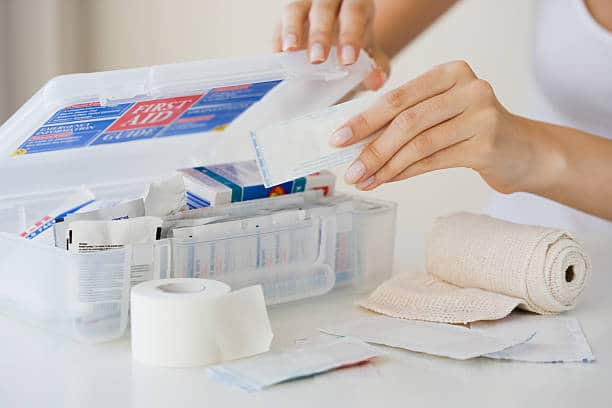
If you acquire psoriasis plaques that open and form fissures in the skin, it’s crucial to administer basic first-aid methods to avoid infection and help the sores heal quicker.
Here’s what to do:
If you’re on the go and don’t have the right equipment to clean and treat your sore, keep it open until you have access to first-aid materials or rub lip balm or petroleum jelly on it. Closing a dirty wound with a bandage or cloth can trap dirt, germs, and debris and may result in infection.
In many circumstances, simple first-aid procedures can prevent infection in psoriasis sores and help the lesion heal faster.
If you begin to develop indications of infection, consult your doctor as soon as possible. Signs of infection may include:
It’s also crucial to consult your doctor if the wound doesn’t seem to be healing. Your doctor can examine and clean your sores and may suggest any additional treatment alternatives.
In addition to first-aid care and medication therapies, there are a variety of easy yet effective techniques to ease the discomfort associated with psoriasis lesions.
Here are three easy methods to care for your skin:
Remember: Simple lifestyle adjustments may make a significant impact when it comes to the health of your skin.
RELATED: Psoriasis Remedies: Loving the Skin You’re In
Preventing psoriasis plaques — and avoiding the factors that produce them — is the most effective method to keep your skin healthy, pleasant, and lesion-free. But what exactly leads to the formation of psoriasis lesions?
It’s well acknowledged that psoriasis has a hereditary component. The “psoriasis gene” is more frequent than you may imagine. About 10 percent of people in the general population tend to have psoriasis, but only two to three percent acquire the disorder.
Here’s why: For psoriasis to develop, the gene has to be triggered by particular environmental variables, often known as triggers.
Although psoriasis triggers are different for everyone, some frequent triggers for flare-ups include:
Tracking and knowing your psoriasis triggers might help you actively avoid them and prevent the growth of plaques.
An open wound or fissure in the skin can be uncomfortable and, for some individuals, a cause of concern. With the correct care and first-aid skills, it’s possible to limit the risk of infection and help your skin heal.
Be careful to talk to your doctor about any skin issues, especially open wounds. If you have fissures or open sores frequently, your doctor may examine several options to ensure your condition is treated most effectively.


By subscribing, you consent to receive emails from BlackDoctor.com. You may unsubscribe at any time. Privacy Policy & Terms of Service.