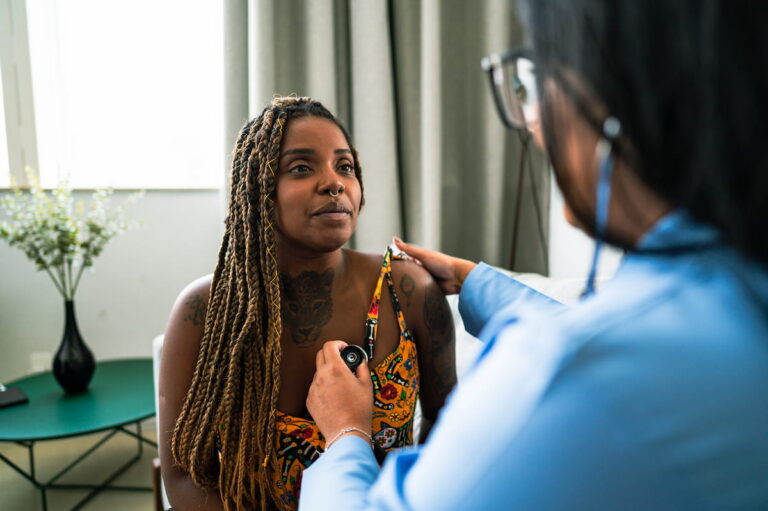
Living with HIV requires extra care and TLC when it comes to our health and well-being, and nutrition plays a pivotal role in mitigating the condition. For Black Americans, who typically experience disproportionate numbers of HIV and associated health complications, incorporating immune-boosting ingredients into their diet can significantly improve their quality of life.
Despite representing just roughly 13 percent of the U.S. population, Black Americans account for about 42 percent of new HIV diagnoses in the United States, based on the latest data from the Centers for Disease Control and Prevention (CDC).
Today BlackDoctor.Org will list five essential ingredients that are not only accessible but also backed by research for their immune-enhancing characteristics.
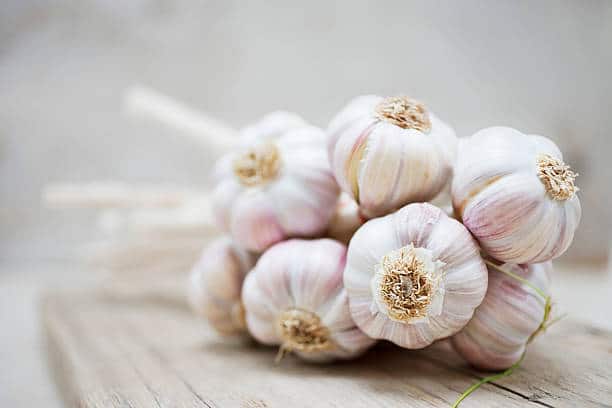
Garlic is more than solely a flavor enhancer for meals. It has allicin, a compound known for its immune-boosting abilities. Allicin helps stimulate the activity of immune cells, which is imperative for fighting off infections—a primary concern for people with HIV.
Studies suggest that the constant consumption of garlic can reduce infection rates and boost overall health outcomes for those living with HIV. Some people claim that garlic can help ward off HIV because of its antiviral qualities, like improving the immune system.
One analysis posted in the Journal of Immunology Research claims that garlic may boost immune system function by stimulating the development of particular kinds of cells.
These cells include natural killer cells and macrophages, which help combat infections.
The general health benefits of garlic may benefit people with HIV. For instance, according to the National Center for Complementary and Integrative Health, certain studies indicate that garlic may help drop cholesterol levels.
RELATED: The Best Soups to Kickstart Your Immune System
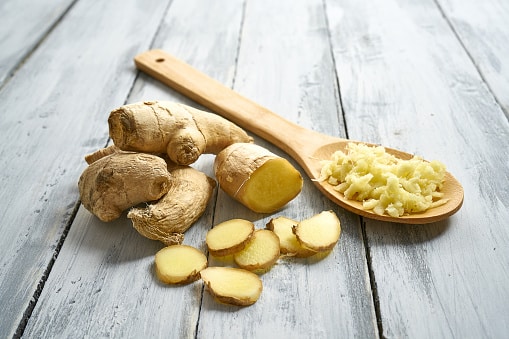
Ginger embodies potent anti-inflammatory and antioxidative qualities, serving as a wonderful addition to your diet. The active component, gingerol, has been proven to limit inflammation and encourage immune cells to produce. Including ginger in daily meals can help manage HIV-related symptoms including nausea and systemic inflammation, thus supporting the immune system.
For HIV/AIDS patients who struggle to stick to their medication because of nausea, ginger could provide a glimmer of hope. A 2014 study published in the Expert Opinion on Drug Safety stated that ginger could be efficient in decreasing antiretroviral-induced nausea in HIV/AIDS patients. In the two-year-long study, 102 HIV-positive patients who were given ginger noticed that their nausea died down throughout their treatment.
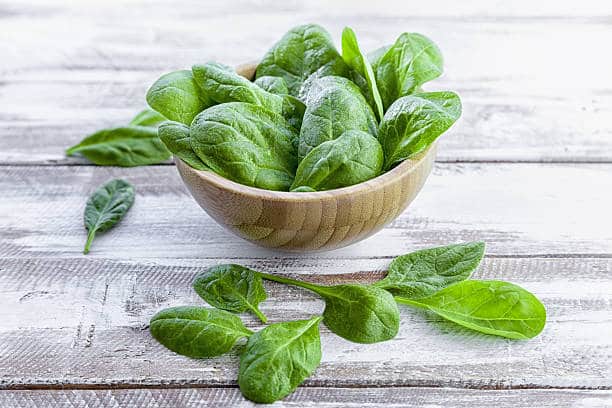
Spinach is a superfood, filled with vitamins A, C, and folate, which are crucial for immune defense. Vitamin A helps maintain mucosal barriers in the body, lowering the risk of infections going into the bloodstream.
Spinach is also rich in antioxidants that help ward off oxidative stress, a condition to which individuals with HIV are especially vulnerable. Spinach also happens to be low in calories, rich in fiber, and a go-to source of minerals such as potassium and magnesium.

Yogurt with live and active cultures introduces helpful probiotics into the digestive system. These probiotics are vital for sustaining gut health, which has to do with the immune system.
A healthy gut flora encourages better nutrient absorption and helps activate immune responses. Strengthening gut health is a strategic tactic to enhance immunity as a whole.
In Tanzania, where HIV rates are high, local women known as ‘yogurt mamas’ produced and distributed Reid’s probiotic yogurt for a study, handing out 125 free cups every day to HIV-positive residents. Results showed the impact of probiotics on microorganisms in the gut probiotics could help prevent infections like diarrhea, which affects 90 percent of untreated HIV-positive individuals in developing areas, and could decrease vaginal infections connected to greater HIV likelihood.
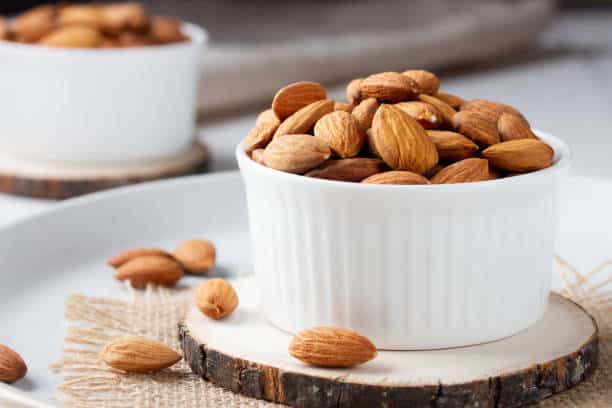
Almonds are among the world’s best sources of vitamin E. Just one oz provides 48 percent of the daily value (DV.) Vitamin E is an antioxidant that supports immune function. Vitamin E helps preserve cells from oxidative damage and helps the immune system fight off bacteria and viruses.
Eating almonds regularly can help you get sufficient vitamin E levels, which can be tough to do with just any diet on its own. They’re also rich in B vitamins, calcium, and iron.
Incorporating these ingredients into your diet doesn’t have to be daunting. Garlic and ginger can be thrown into several dishes, from soups to stir-fries, for optimal flavor and health benefits. Spinach makes an awesome base for salads or can be quickly sautéed for a nutritious, delicious side dish. Yogurt can be eaten as is, put in smoothies, or as a dressing base. Almonds are ideal for when you’re looking to snack or add a crunchy topping to your favorite meals.
When it comes to living with HIV, focusing on nutrition is a vital aspect of mitigating the disease. By incorporating these five ingredients into your daily diet, you can not only help boost your immune system, but also lower the chance of infections, and improve your overall health.
Remember to get in touch with a healthcare provider before making serious shifts to your diet, especially if you have specific dietary requirements or other health conditions.


By subscribing, you consent to receive emails from BlackDoctor.com. You may unsubscribe at any time. Privacy Policy & Terms of Service.