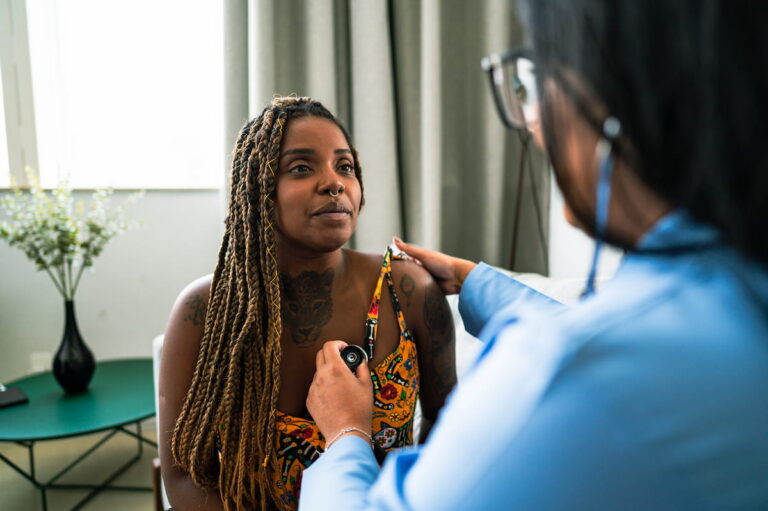
It is estimated that there will be 8,950 new cases of men and women that will be diagnosed with chronic myeloid leukemia (CML), and the risk only increases with age. There may not be a known way to prevent most cases of CML, however, there are certain lifestyle changes that can help make living with CML a little better. These changes can even begin during treatment to not only start taking advantage of the benefits, but to also help ease potential anxiety associated with CML.
Adapting to a new diet that includes more wholesome foods can be quite difficult for anyone, and especially during and after cancer treatment. Treatment can make this transition problematic because it can change your sense of taste, cause nausea, and weight fluctuation and you may have developed moody eating habits. While all of this can be frustrating, putting healthy eating habits into place can create simple, yet, long-term benefits such as maintaining a healthy weight, eating more colorful and healthy foods, increasing your energy levels and helping you endure the side effects of CML. If you experience nausea or moody eating habits, try eating small meals every two to three hours until you feel better.
Some foods to include in your diet are at least five servings of fruits and vegetables, whole grains and legumes, water, tea and coffee. It also helps to reduce your alcohol intake. If you’re unsure of where to start with your diet, talk with your doctor about referring you to a registered dietician who can help you create a personalized meal and nutrition plan. The Leukemia and Lymphoma Society also offers a free one-on-one consultation for patients and caregivers.
One of the most common and distressing side effects of cancer and its treatment is fatigue. Fatigue from cancer treatment is often more intense than the average feeling of being tired we occasionally feel. During these moments, it’s important to listen to your body in order to allow yourself to heal properly. Balance between rest and your activities is also a key factor in the healing process. Schedule your activities throughout the day rather than all at once and schedule your most important activities for when you have the most energy.
Short naps or rest breaks scheduled for 30 minutes or less can be more beneficial than one long nap during the day. Remember, fatigue caused by cancer treatment is short term and your energy typically slowly returns after treatment has ended. Be sure to let your doctor know if your exhaustion isn’t slowly improving, as it could be a sign of something else.
While it’s important to get enough rest, too much rest can lead to loss of body function, reduced range of motion and muscle weakness. To combat this, it’s crucial to balance physical activity on a daily basis. Some benefits of regular exercise include a decrease in tiredness, weight control, improvement of self-esteem, decreased risk of heart disease and a lowered risk of being anxious and depressed.
There are certain factors that can affect your ability to exercise such as the type of cancer you have, your cancer treatment and your fitness level. Your exercise program should be based on what’s safe, what works best for you and simply what you enjoy doing. If you’re new to working out or it’s been a while since you’ve had any physical activity, you may want to safely and slowly ease into your new exercise program and consult with your doctor to see if they can tailor an exercise program that best suits you.
The risk of getting CML may not be affected by smoking, but, it can be a risk factor for many different cancers. This lifestyle change, alone, can enhance the length and quality of your life. Other benefits of quitting smoking include improvement of your circulation, your lung function, a dramatic decrease in the risk of heart attacks, lower risks of different complications with your treatments, and your body and immune system strengthens. Within the first 20 minutes after quitting smoking, your heart rate and blood pressure drop. Quitting this habit may not be easy to do, but the good news is it’s never too late to quit using tobacco. Speak with your doctor about quitting and contact the American Cancer Society to find out what resources may be available to help you quit this habit for good. It may also help to join a support group.
Dealing with the stresses of everyday life is more than enough for any person to deal with, but, if you’re living with CML, you may have additional feelings of anxiety or depression, even if you’ve taken on additional lifestyle changes. If you’re experiencing any of the aforementioned feelings, as well as feeling hopeless or having difficulty concentrating, speak with your doctor about referring you to a counselor.
Your counselor can help you cope with your feelings and and offer activities you can do regularly to help manage your stress which may result in getting better sleep and decreasing anxiety. Such activities include yoga, prayer, meditation, deep breathing, guided visualization and aromatherapy. Spend some time every day trying any of these activities or by simply engaging in any of your favorite activities that bring you happiness.
While you may not be able to change the fact that you have cancer, you can choose to start living your best life today. Speak with your doctor and seek a support group to help jumpstart your journey to being your healthy and best self.


By subscribing, you consent to receive emails from BlackDoctor.com. You may unsubscribe at any time. Privacy Policy & Terms of Service.