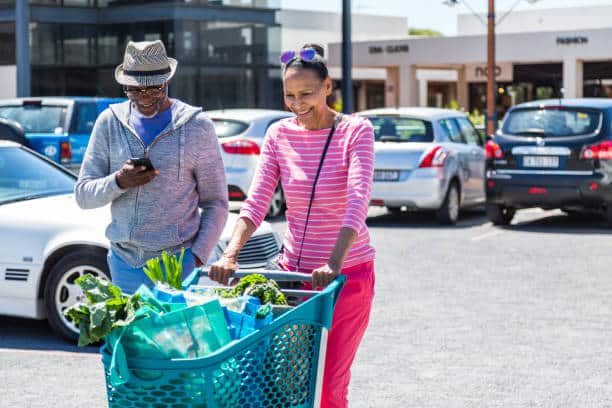
Ever been in the store and noticed a pack of chicken or a gallon of milk sitting out and thought that’s for sure going to make someone sick? I’m sure you have, we’ve all been there. Well, that isn’t the only red flag that you need to watch out for when grocery shopping. Pandemic or not, paying attention to these red flags the next time you go to the grocery store will prevent bacteria and food-borne illness.
Have you been to the grocery store and noticed food items such as chicken or salad for sale in packages that are bloated or swelled up? This is a common phenomenon that is usually limited to places with a warm climate and limited cooling. However, when shopping you should steer clear of these items because they are a clear sign that you are purchasing food with bacteria. Bacteria thrives on the food in the packets producing gas. Because the gas cannot go outside of the sealed bag, it continues to accumulate inside, increasing the pressure, and bloating up the bag.
How does bacteria get in the package? There are several ways bacteria can sneak into packaging. One way is through the manufacturing process. The second way for bacteria to get into food bags is through a puncture caused during the transportation and handling of the product. Even when a puncture is detected, some sellers will re-seal the package instead of getting rid of it as a whole. Simply re-sealing a package does not allow the gas to come out, which causes the package to bloat.
Although dented cans may be marked down and seem like a bargain, it is not worth the risk. Cans with deep dents, or bulges are a sign of botulism (a rare but serious illness caused by a toxin that attacks the body’s nerves and causes difficulty breathing, muscle paralysis, and even death). Cans that have a sharp dent can be damaged at the seam, which allows bacteria to enter the can. If a can has deep dents (your finger can fit into), are bulging, rusting or have dents on the top or side seam, you should stay away from them. You should also steer clear of swollen, leaking or damp cans.
RELATED: The Unhealthiest Bread in the Grocery Store
When selecting meat, you should make sure that it is cool to touch and thoroughly examine the package. If the packaging is torn or leaking, do not buy it. This is a clear way for germs to enter the package. Before placing these items in the cart, double bag them and keep them separate from produce to avoid cross-contamination.
When purchasing eggs, make sure they are clean and aren’t broken or cracked.
Additionally, before purchasing anything, you should make sure the safety seals haven’t been broken or tampered with. A loose lid on a jar means the vacuum has been lost and the product may be contaminated. You should steer clear of these items and alert the store manager so that these items can be taken off the shelf.
Shop Black: Complete List Of African American Owned Grocery Stores & Farmers Markets
You should only buy unwrapped, cooked seafood such as shrimp, crab or smoked fish if it is displayed in a separate case or a physically separated section from raw fish. Bacteria on raw fish can contaminate cooked fish. Additionally, when purchasing fish only do so from reputable sources such as grocery stores and seafood markets. Fresh fish should be refrigerated properly and have flesh that is shiny and firm not separating from the bone. The odor of the fish should be fresh and mild, rather than overly “fishy”.
When purchasing seafood, make sure it is well-packed in ice and that packages are tightly sealed and free of dents and tears. You should avoid packages containing ice crystals. This is a sign that the seafood has previously been thawed.
These dates are important and should not be ignored. Perishable foods have a “sell by” and “use by” date. If the “sell by” date has passed, you should not buy the product. The “use by” date applies to the date you should use the food at home, so make sure you will be able to eat the food within that time frame before purchasing.
One thing to look out for that the grocery store can’t take the blame for is reusable bags. Remember to sanitize and wash reusable bags in between uses. Between the poultry drippings, leaking milk, left–behind produce, etc., reusable bags can easily become one of the germiest places you’ll come in contact with at the grocery store if you aren’t cleaning them correctly.
RELATED: 5 Items We Never Buy From The Grocery Store
In addition to inspecting your food and produce before purchasing it, it is also equally important that you properly clean, sanitize and store your food when you get home to prevent foodborne illness. Follow these important safety tips:
You should also avoid any grocery stores that aren’t taking the appropriate measures to follow COVID-19 safety guidelines and organize your list to get the frozen and refrigerated items last. This keeps them “unrefrigerated” for the least amount of time.
If you live more than an hour from the grocery store, NSF International advises consumers to pack raw meat in a cooler and keep the cooler in the passenger area of the car during warm weather.
Lastly, in the wake of COVID, be sure to wash your hands as soon as you get home to ditch those germs and protect yourself and your family.


By subscribing, you consent to receive emails from BlackDoctor.com. You may unsubscribe at any time. Privacy Policy & Terms of Service.