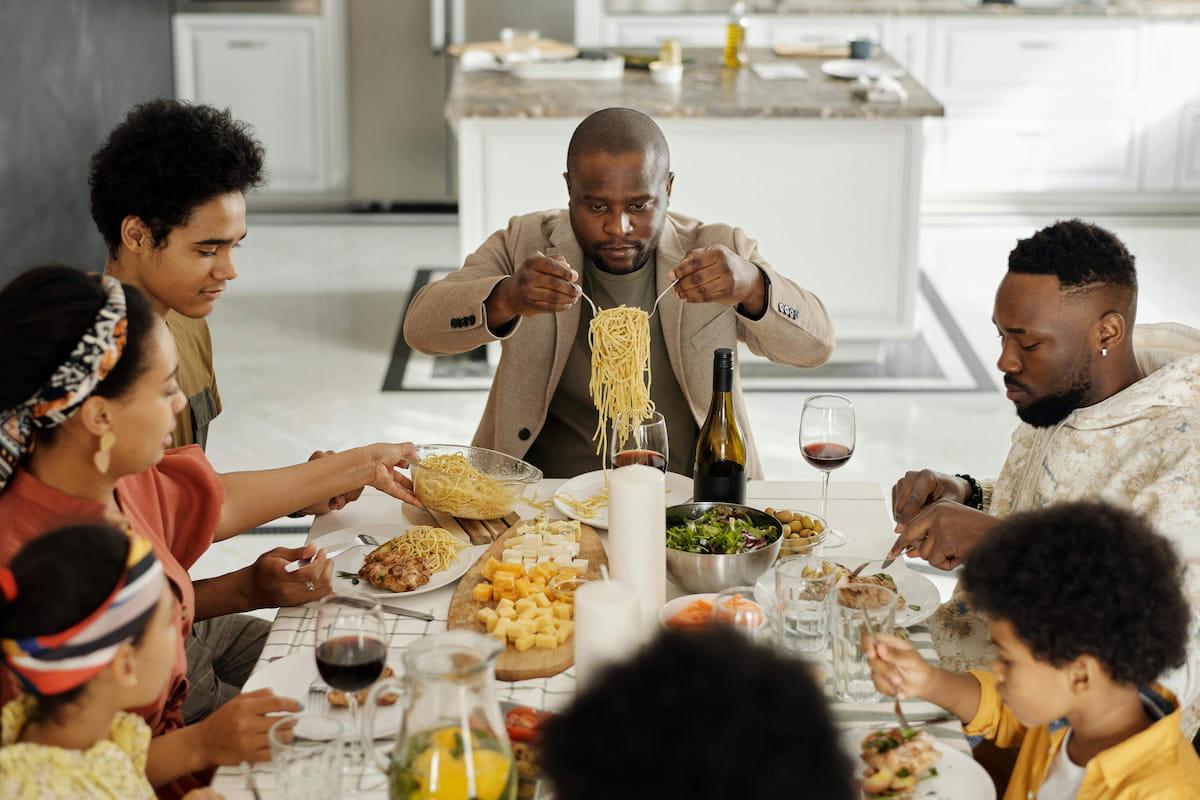
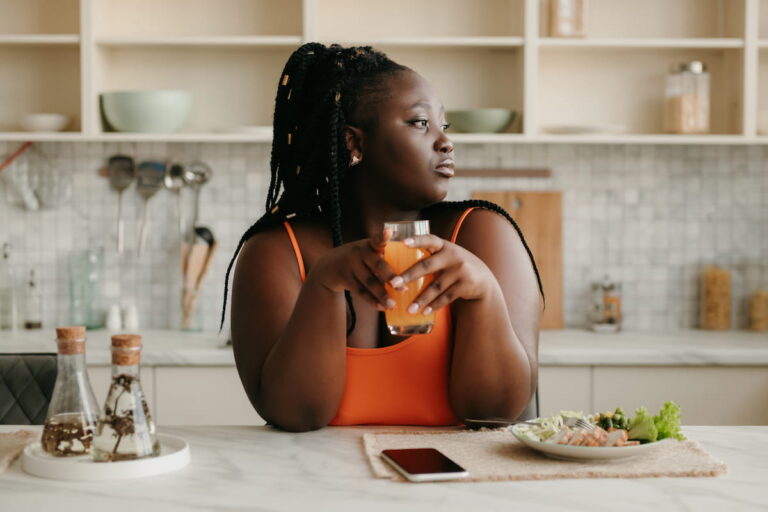
Just thinking about soul food can conjure feelings of comfort. After all, it’s supposed to be good for the soul. Well, according to a recent study, cooking one of your favorite meals from scratch once a week could be enough to significantly reduce your risk of developing dementia. Given how many Black Americans deal with dementia, it’s worth finding out what this study had to say.
While there are multiple benefits to home-cooked meals, this study sought to determine whether cooking at home reduces dementia risk in older adults. To find out, they assessed about 11,000 participants aged 64 or older over six years. They were asked how often they cook at home, their cooking experience, and whether they cook their meals from scratch.
Featured on BlackDoctor
Using these participants’ medical data, researchers investigated how their cognitive function changed over the duration of the study. Their research produced some surprising results. It wasn’t about how often they cooked; it was about whether or not they cooked from scratch. Those who cooked more meals saw a higher reduction in cognitive decline.
At the end of the study, participants who cooked meals with multiple steps saw about a 23% (men) and 27% (women) reduction in their risk of developing dementia. Among participants who reported limited cooking skills, the reduction was even greater. Those who only had beginner cooking skills saw up to a 67% decrease in their risk of developing dementia.
Although more research is needed, health experts suggest that the drastic reduction may be due to the effect that cooking from scratch can have on brain function. You have to focus, remember the ingredients and steps, and manage multiple parts of the dish at once. Doing so can challenge your brain in ways that encourage brain health.
Is Dementia Really a Big Problem?
Of course, you may wonder if dementia is such a big issue that you need to focus on how cooking will help as you age. According to the Alzheimer’s Association, the number of Americans dealing with dementia is large and keeps growing. In 2025, seven million Americans were living with Alzheimer’s disease, and this is estimated to grow to 13 million by 2050. Currently, one in nine Americans over the age of 65 has been diagnosed with Alzheimer’s disease.
The effects of the disease aren’t only borne by those who are living with it. The Alzheimer’s Association notes that unpaid caregivers give over 19 billion hours of care to their loved ones. Those hours equate to about $413 billion. These caregivers also typically deal with chronic issues themselves from taking care of someone with dementia.
Finally, you have to look at how much it costs to manage the care of someone with Alzheimer’s disease. Since there’s no cure, people with the condition manage it as well as they can. However, the disease usually progresses to the point where they need long-term care. In 2025, the cost of caring for people with dementia totaled $384 billion. Unless something changes, this amount is estimated to balloon to over a trillion dollars by 2050.
With that in mind, helping older adults keep their brains healthy can benefit them and the country as a whole.
As if the numbers in the previous section weren’t enough, statistics show that Black Americans are twice as likely to develop dementia as white people. Almost 22 percent of Black people over 70 are living with Alzheimer’s disease. For years, there was very little research into why that was. Some research papers have stated that poor access to care and racial bias in the healthcare industry could play a role in how often Black people get diagnosed with dementia. Still, more physicians lean towards saying that the higher risk is related to different health conditions.
In fact, doctors often suggest that the higher rates of dementia may be related to the fact that Black Americans deal with certain chronic illnesses more than other ethnicities. These conditions include heart disease, diabetes, and obesity. Although those diseases are certainly factors, there has always been a question of whether something else was at play.
Fortunately, researchers recently conducted the largest study of its kind to assess genetic markers in participants who had been diagnosed with Alzheimer’s disease. They studied brain samples from living and deceased donors.
The ADAMTS2 gene, in particular, drew their interest. This gene has been previously associated with the development of Alzheimer’s disease. During the study, it was shown that Black participants had the same or higher levels of gene expression as white participants.
Of course, this is only one study, but the results strongly suggest that Black people have the same or slightly greater chance of developing dementia based on their genetics. When you add in the other factors, such as social determinants and chronic illnesses that can contribute to the risk of an Alzheimer’s diagnosis, it makes sense that Black Americans have a higher rate of dementia diagnoses.
Despite what your genes say, though, it doesn’t mean you can’t put up a fight. That’s why it’s important to keep your brain healthy, and cooking your favorite meals is another easy way for you to do that.
12 ounces hot Italian turkey sausage links, removed from casings
2 teaspoons neutral oil, such as canola or avocado
1 large onion, diced
4 cloves garlic, minced
1 teaspoon Cajun seasoning
2 tablespoons all-purpose flour
4 cups chopped tomatoes
4 cups reduced-sodium chicken broth
2 ½ cups frozen chopped okra
¾ cup instant brown rice
1 bunch scallions, trimmed and sliced (optional)
Method:
Cook sausage in a Dutch oven over medium-high heat, breaking it up into small pieces with a wooden spoon, until cooked through, about 5 minutes. Transfer to a medium bowl lined with paper towels.
Return the pan to medium-high heat and add oil. Add onion and cook, stirring often, until translucent, about 2 minutes. Add garlic and Cajun seasoning and cook, stirring often, until fragrant, about 30 seconds. Add flour and cook, stirring to coat the vegetables, until the flour browns, about 1 minute. Add tomatoes and cook, stirring occasionally, until they begin to release their juices, about 2 minutes. Stir in broth, cover, increase heat to high, and bring to a boil.
Return the sausage to the pan, along with okra and rice; reduce the heat to a simmer. Cook until the okra is heated through and the rice is tender, about 10 minutes. Serve sprinkled with sliced scallions, if using.
1 tablespoon neutral oil, such as canola or avocado
¼ teaspoon coarsely ground pepper
Method:
Combine carrots, celery, corn, onion, garlic, rosemary, and 1/4 teaspoon pepper in a 1 1/2- or 2-quart slow cooker (see Tip). Top with chicken. Pour broth over mixture in cooker.
Cover and cook on Low for 7 to 8 hours or on High for 3 1/2 to 4 hours. If no heat setting is available, cook for 5 to 5 1/2 hours.
If using Low, turn to High (or if no heat setting is available, continue cooking). Transfer chicken to a cutting board; cool slightly. When cool enough to handle, cut chicken off bones; discard bones. Chop chicken; return to mixture in cooker. Combine milk and flour in a small bowl; mix until smooth. Stir into mixture in cooker.
Prepare dumpling dough: Stir together 1/4 cup flour, 1/4 cup cornmeal, 1/2 teaspoon baking powder, and a dash salt in a medium bowl. Combine 1 egg white, 1 tablespoon fat-free milk, and 1 tablespoon canola oil in a small bowl. Add egg mixture to flour mixture; stir just until moistened.
Using two spoons, drop dough into four mounds on top of hot chicken mixture. Cover and cook for 20 to 25 minutes more or until a toothpick inserted into a dumpling comes out clean. (Do not lift cover during cooking.) If desired, sprinkle each serving with coarse pepper.
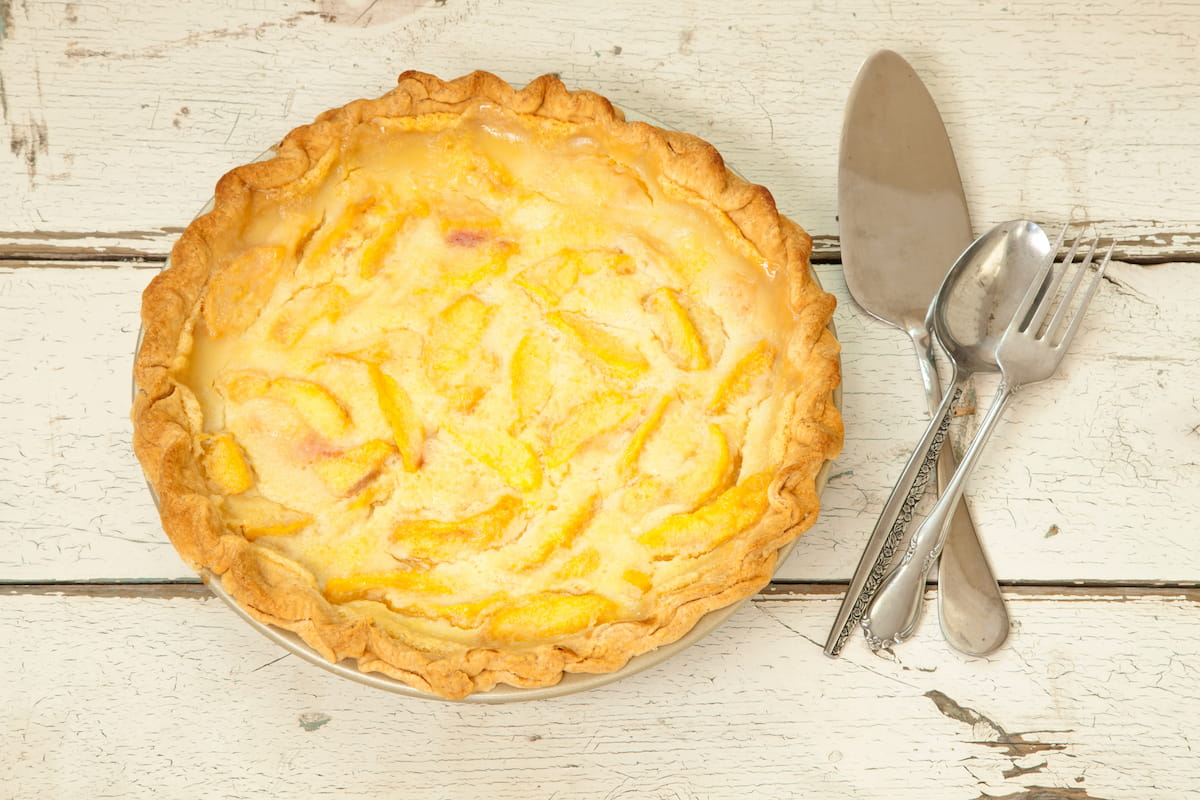
3. Peach Custard Pie
Servings: 10
Ingredients
Crust
½ cup pecan halves
¾ cup whole-wheat pastry flour
¾ cup all-purpose flour
1 tablespoon sugar
¼ teaspoon salt
4 tablespoons cold unsalted butter, cut into small pieces
1 tablespoon neutral oil, such as canola or avocado
1 teaspoon vanilla extract or ¼ teaspoon almond extract
Pinch of salt
2 cups sliced peaches, fresh or frozen, peeled if desired
2 tablespoons chopped pecans
Method:
To prepare crust: Pulse pecans in a food processor until finely ground. Combine with whole-wheat pastry flour, all-purpose flour, sugar, and salt in a medium bowl. Cut in butter with a pastry blender or your fingers until the mixture resembles coarse crumbs with a few larger pieces. Add oil and stir with a fork to blend. Mix 1/4 cup water, egg yolk, and lemon juice (or vinegar) in a measuring cup. Make a well in the center of the flour mixture. Add enough of the wet ingredients, stirring with a fork, until the dough clumps together. (Add a little water if it seems too dry.) Turn the dough out onto a lightly floured surface and knead several times. Form into a ball, then flatten into a disk. Wrap in plastic wrap and refrigerate for at least 1 hour.
Position rack in lower third of oven; preheat to 400 degrees F. Coat a 9-inch pie pan with cooking spray.
To prepare filling & assemble pie: Combine sugar, milk, yogurt, eggs, flour, cornstarch, vanilla (or almond) extract, and salt in a medium bowl; whisk until smooth.
Roll out the dough between sheets of parchment or wax paper into a 12-inch circle. Peel off the top sheet and invert the dough into the prepared pie pan. Peel off the remaining paper. Trim the dough so it overhangs evenly by about 1 inch. Fold the edges under to make a plump edge; flute or crimp the edge with your fingers (see Tip) or a fork. Place on a baking sheet.
Arrange peaches in the crust and pour the filling on top (some peaches will float, but this won’t affect the final results). Bake for 30 minutes.
Remove the pie from the oven and sprinkle chopped pecans over the top. Cover the edges with heavy-duty foil (or a double layer of regular foil) to help prevent overbrowning. Reduce oven temperature to 350 degrees. Return the pie to the oven and bake until a knife inserted in the center comes out clean, 40 minutes to 1 hour more. Let cool for 1 1/2 hours. Serve warm or refrigerate until cold.
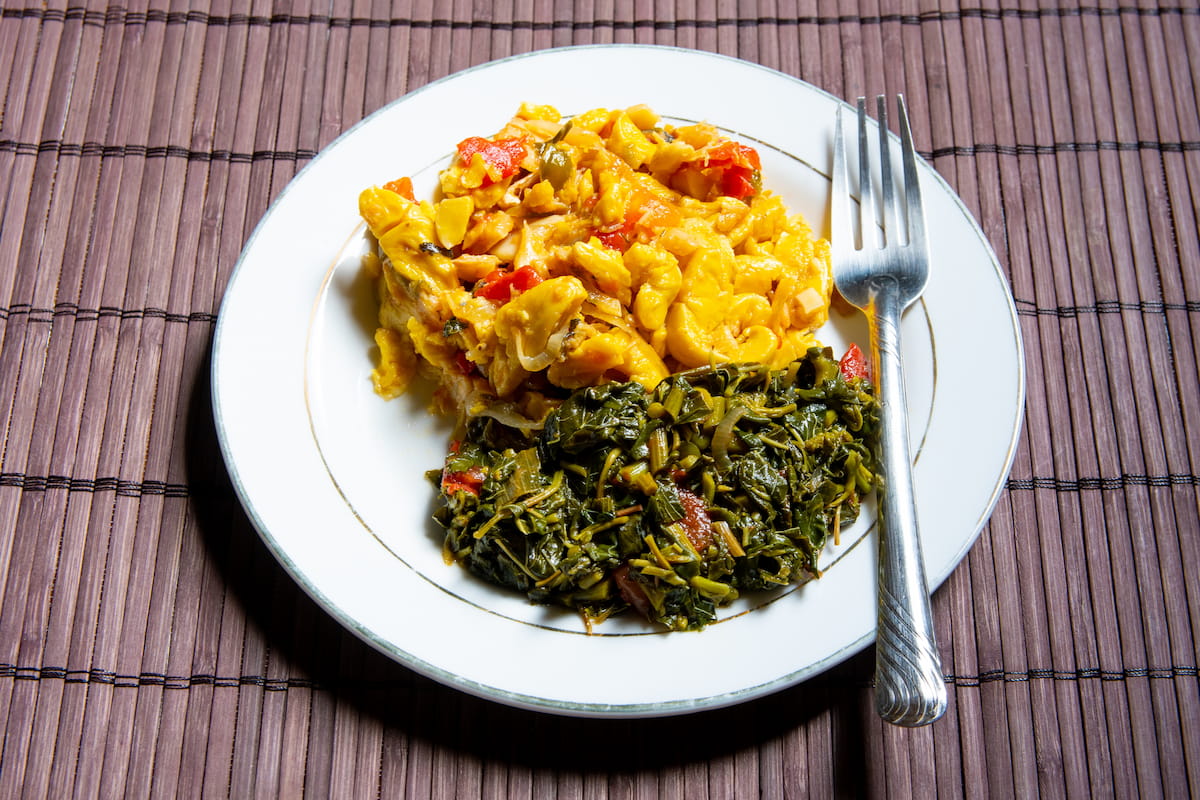
4. Mac and Cheese with Collards
Servings: 4
Ingredients
8 ounces whole-wheat elbow noodles (about 2 cups)
4 cups chopped collard greens
1 ¾ cups low-fat milk, divided
3 tablespoons all-purpose flour
½ teaspoon salt
¼ teaspoon ground pepper
1 cup shredded extra-sharp Cheddar cheese
2 ounces reduced-fat cream cheese
2 teaspoons white-wine vinegar
¼ cup panko breadcrumbs, preferably whole-wheat
1 tablespoon extra-virgin olive oil
½ teaspoon paprika
Method:
Bring a large pot of water to a boil. Add pasta and collards and cook according to the pasta package directions. Drain.
Meanwhile, heat 1 1/2 cups milk in a large broiler-safe skillet over medium-high heat until just simmering. Whisk the remaining 1/4 cup milk, flour, salt, and pepper in a small bowl until combined. Add the flour mixture to the simmering milk; reduce heat to medium-low and cook, whisking constantly, until thickened, 1 to 2 minutes. Remove from heat and whisk in Cheddar, cream cheese and vinegar until the cheese is melted. Stir the pasta and collards into the sauce.
Position rack in upper third of oven; preheat broiler to high.
Combine breadcrumbs, oil, and paprika in a small bowl. Sprinkle over the pasta. Broil until golden brown, 1 to 3 minutes.
5. Collard Greens and Black Eyed Peas Soup
Servings: 8 cups
Ingredients
1 tablespoon extra-virgin olive oil
1 large onion, diced
1 large carrot, sliced
1 stalk celery, sliced
5 cloves garlic, (4 sliced and 1 whole), divided
1 sprig fresh thyme
¼ teaspoon crushed red pepper, or to taste
4 cups reduced-sodium chicken broth
1 15-ounce can diced tomatoes
5 cups chopped collard greens, or kale leaves (about 1 bunch), tough stems removed
1 15-ounce can black-eyed peas, rinsed
6 1/2-inch-thick slices baguette, preferably whole-grain, cut on the diagonal
6 tablespoons shredded Gruyère or Swiss cheese
2 slices cooked bacon, finely chopped
Method:
Heat oil in a Dutch oven over medium heat. Add onion, carrot, and celery and cook, stirring, until just tender, 5 to 7 minutes. Add sliced garlic, thyme, and crushed red pepper and cook, stirring, until fragrant, about 15 seconds. Increase heat to high and add broth, tomatoes, and their juice. Bring to a boil, scraping up any browned bits. Stir in collard greens (or kale), reduce heat to maintain a simmer, and cook, stirring occasionally, until the greens are tender, 5 to 10 minutes. Discard the thyme sprig. Stir in black-eyed peas; remove from the heat and cover.
Position rack in upper third of oven; preheat broiler.
Place baguette slices on a baking sheet and broil until lightly toasted, 2 to 4 minutes. Rub each bread slice with the remaining garlic clove. (Discard garlic.) Turn the slices over and top with cheese. Broil until the cheese is melted, 1 to 3 minutes. Serve the soup topped with the cheese toasts and bacon.
You likely don’t need an excuse to eat some healthy soul food, but now there’s another benefit to getting in the kitchen. Making these dishes may keep your brain active as you age and reduce your risk of developing dementia.
BlackDoctor is the world’s largest and most comprehensive online health resource specifically for the Black community. BlackDoctor understands that the uniqueness of Black culture - our heritage and our traditions - plays a role in our health. BlackDoctor gives you access to innovative new approaches to the health information you need in everyday language so you can break through the disparities, gain control and live your life to its fullest.
✦ AI Search Disclaimer This AI-powered search tool helps you find relevant health articles from the BlackDoctor.org archive. Please keep the following in mind:
✦ For Informational Purposes Only The information provided through this AI search is for general educational and informational purposes only. It is not intended as a substitute for professional medical advice, diagnosis, or treatment.
✦ Always Consult a Healthcare Provider Never disregard professional medical advice or delay seeking it because of something you have read through this search tool. If you have a medical emergency, call your doctor or 911 immediately.
✦ AI Limitations This search tool uses artificial intelligence to help match your queries with articles in our archive. While we strive for accuracy, AI-generated results may occasionally be incomplete, outdated, or not fully relevant to your specific situation.
✦ No Doctor-Patient Relationship Using this search tool does not create a doctor-patient relationship between you and BlackDoctor.org or any healthcare provider.
Explore over 35,000 articles and videos across black health, wellness, lifestyle and culture