What is the first thing you think of when your alarm goes off in the morning? Making your bed? Brushing your teeth? Walking your dog? Making a cup of something hot to help you ease into your day? Your routine has a rhythm to it. But if you have the chronic skin condition psoriasis, your morning maintenance routine looks very different. Any rhythm is a combination of a proactive routine and a reactive routine when you are living with this skin condition.
The time-consuming treatments, the pain, the appearance of dead skin cells, and the intrusive stares of strangers are not what anyone would wish for. The depth of what living with psoriasis means can be hard to convey to others. But what if you could spend a day in the skin of a psoriasis patient? This would shift the distance, despite good intentions, and change your perspective from that of a common, questioning spectator to that of a true insider with firsthand, lived experience, both objective and subjective.
Whether it is morning, during the day, or in the evening, you will notice the time and effort it takes to live with the chronic skin condition psoriasis. Twenty-four hours spent in the skin of a psoriasis patient is required for a basic, practical, if not sympathetic, understanding of psoriasis. It is chronic. It is a burden. It is more than “dry skin”. So let’s get to it and see what a typical day with psoriasis looks like.
RELATED: My Story: After Battling Psoriasis Since Age 5 This Champion Testifies “You Can Come Out Fighting”
The day starts with you waking to dead skin cells (plaques). You clean them up from bed sheets, chairs, and clothing before anything else. After completing this task, you decide to take a shower. Far from relaxing or rejuvenating, the best description of your shower experience is “careful and gentle.” Your shower must be gentle because scrubbing your skin can trigger more flares. The water cannot be too hot. Hot water can worsen itching. But the shower has to be done, so you suffer through it.
Afterward, it is time to begin your intensive skin care. Dressing is delayed by the time that you must devote to intensive skin care. More treatment than pampering, this is self-care at its best and worst. As a psoriasis patient, you need to apply thick creams, ointments, or medications, and often awful-smelling lotions. These seal in moisture and treat active lesions.
Once this is done, your next hurdle is dressing. Function, not fashion, takes priority. If you are like many psoriasis patients, you prefer dark, loose-fitting clothes. Your clothing choice is strategic: it must hide flakes. The outfit you choose should also be easier on sore skin. When you have psoriasis, your clothes need to be made of materials that do not rub against sensitive plaques. These concerns, along with wanting to look your best, are equally important when dressing if you have psoriasis.
Once the morning maintenance routine is over, it is time to take on the rest of the day…a day filled with being at the mercy of your skin condition. As you move through your day, you strive to manage the pain and discomfort of psoriasis, regardless of any demands, obligations, work tasks, or domestic duties you are responsible for.
RELATED: This 3-Step Routine Helps Control Post-Workout Psoriasis Flare-ups
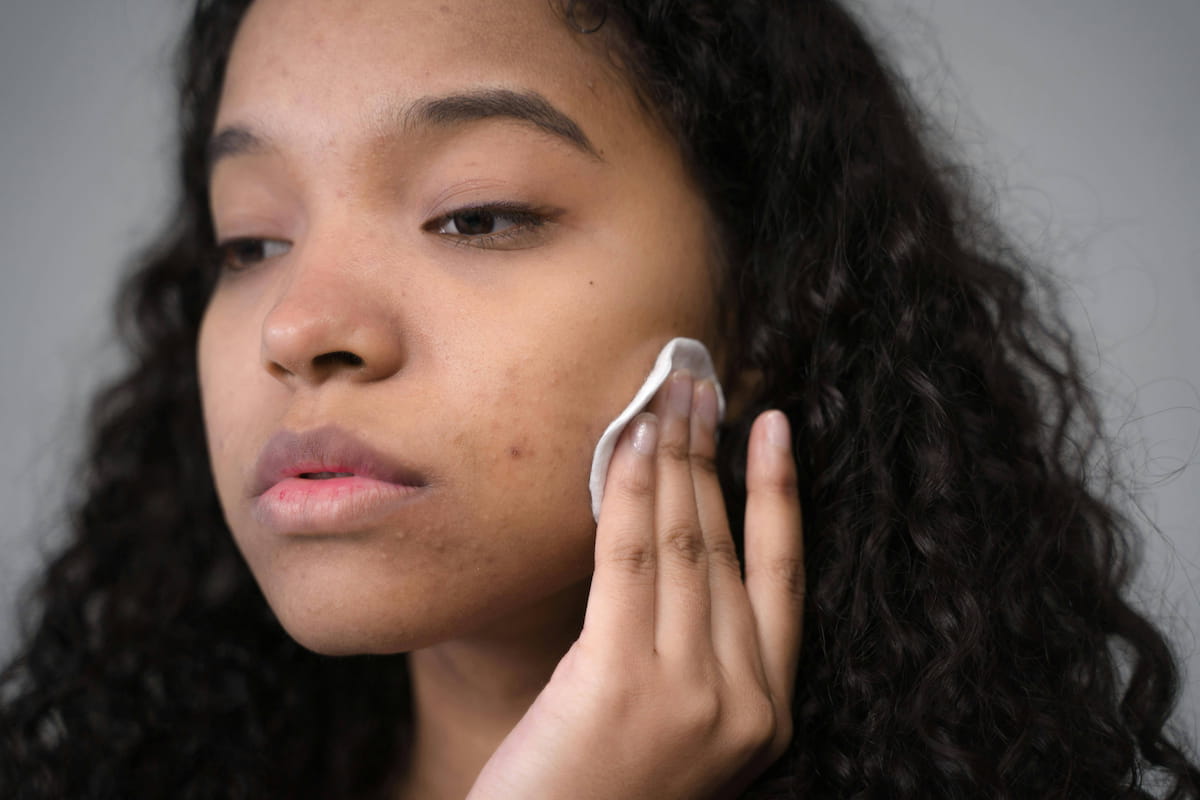
You may experience “psoriasis itch.” This is an unrelenting itch and pain that feels like a “prickly burning sensation.” Testimonials from those patients in the know say it feels like your skin is splitting or burning.
Getting in a fitness workout can also be a challenge. Exercise can be beneficial and help you de-stress, but any activity that causes sweating, whether it’s working out, walking outside in the summer, or nervous sweat, can make you feel an intense stinging sensation.
Then there’s the possibility of stiffness and joint pain from psoriatic arthritis. If this is part of your condition, it can make basic mobility, such as walking or climbing stairs, difficult. Using your hands to type or hold objects can be painful as well.
Psoriasis does not take a break. Flakes may fall throughout the day. You can find yourself frequently cleaning up at work or in public. Aside from the embarrassment, this could make you feel less than clean or even stigmatized, no matter how hygienic you actually are.
These are the physical manifestations of having psoriasis. There are emotional and social challenges you also have to deal with. “Double takes” from strangers who stare, and others who fear your skin condition is contagious, are common misconceptions. The public’s fear impacts your own.
Out of your fear of judgment and feelings of discomfort, you might decide that it’s easier to avoid social situations altogether. No gyms. No pools. And no romantic situations. Stress from daily life or social anxiety can trigger a new flare that causes additional stress and embarrassment, setting you on a vicious stress cycle.
Mental fatigue is a real part of psoriasis, too. You will find that living with a visible, chronic disease increases the amount of depression, anxiety, and occasions of feeling “trapped” in your body. Mental fatigue is as common as the physical, emotional, and social struggles that are an ever-present part of living with psoriasis.
Evening gives no rest from psoriatic skin maintenance, so it is time for you to treat your skin again. You repeat the lengthy skin care routine as you did in the morning. You may also add bandages or plastic wrap over the medications to ensure they are absorbed. After your evening routine, you try to rest and fall asleep. Your sleep, however, is broken sleep. An intense, irresistible urge to scratch can interrupt your sleep, leaving you with chronic fatigue.
“Good” days or “bad” days are never completely free from your psoriatic care, either. On “bad” days, your skin can fissure, crack, and bleed. This makes movement and performing basic tasks, like cooking, hard to do. “Good” days still require psoriasis treatment to keep your skin in a “good” state.
As you can see, when you’re living with the chronic skin condition of psoriasis, it is always present and impossible to forget.


By subscribing, you consent to receive emails from BlackDoctor.com. You may unsubscribe at any time. Privacy Policy & Terms of Service.