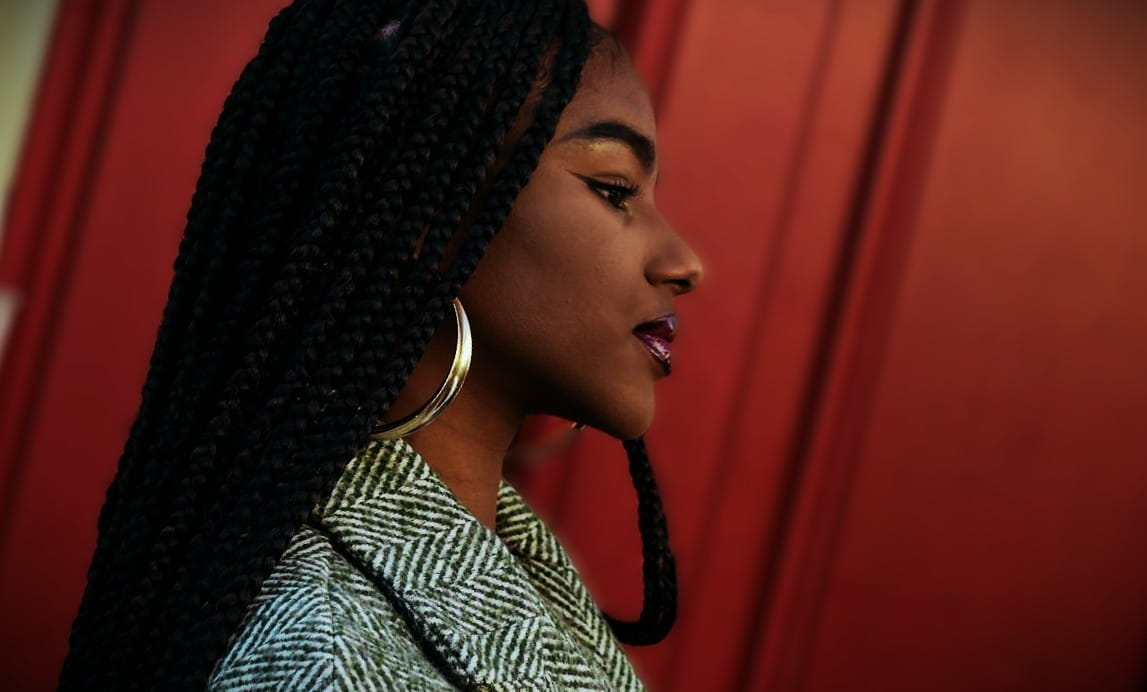
In the Black community, many live by the mantra “hair is your wealth.” Many frequent the hair salon religiously, every two weeks, and are always on top of the latest hair trends.
However, it doesn’t matter whether you’re a Black woman or a man; we like to wear our hair pulled back tight and crisp, without any stray hairs. But because we like to wear it like that, braids (or weaves) may increase our risk of hair loss, according to studies.
So before you get braids this season, here are three quick tips:
First and foremost, don’t think your new braid hairstyle is going to last you for four months, and you don’t have to do anything but wake up and go. WRONG! Some men and women have been able to wear braids effectively for months with proper care. Experts recommend no more than two months. New growth can cause the hair to be pulled out by heavy braids or constant tugging. Sleep patterns and daily movement can weaken or damage the new growth from consistent stretching.
RELATED: 5 Reasons Your Hair Isn’t Growing in Protective Styles
Yes, your braids are tight and look great. But they are also still hair. Your extensions will only fray more when the friction of your bedding hits them, and you’re in for some pretty puffy roots once your new growth comes in. Something that can significantly reduce both of these things is tying your hair down at night. Here are a few steps to keep your hair looking its best at night.
And last, but certainly not least…
RELATED: 5 Signs It’s Time To Remove Your Protective Style
Moisture, moisture, moisture! Let’s say it again for the people in the back: moisture! Break out a Spray Bottle and spray your thirsty roots. It only takes a couple of minutes to moisturize your hair. Just like every other living thing on this earth, your hair needs moisture to survive. The best moisturizer for your thirsty roots is water…PERIOD! Another option is to apply mousse to your braids, pull them back into a low ponytail, and tie them with a silk or satin scarf. In about an hour, they will be looking fresh and smooth again.
A team of researchers from the Johns Hopkins School of Medicine in Baltimore reviewed 19 studies and found a “strong association” between scalp-pulling hairstyles and traction alopecia, a gradual hair loss caused by tension at the hair root.
Traction alopecia is the most prevalent form of hair loss among Black American women, with studies showing it affects approximately one in three.
The study did not prove a definitive cause-and-effect connection. But, styles linked to this type of hair loss include braids, tight ponytails, dreadlocks, weaves, and extensions, especially if the hair has been chemically straightened, the review said.
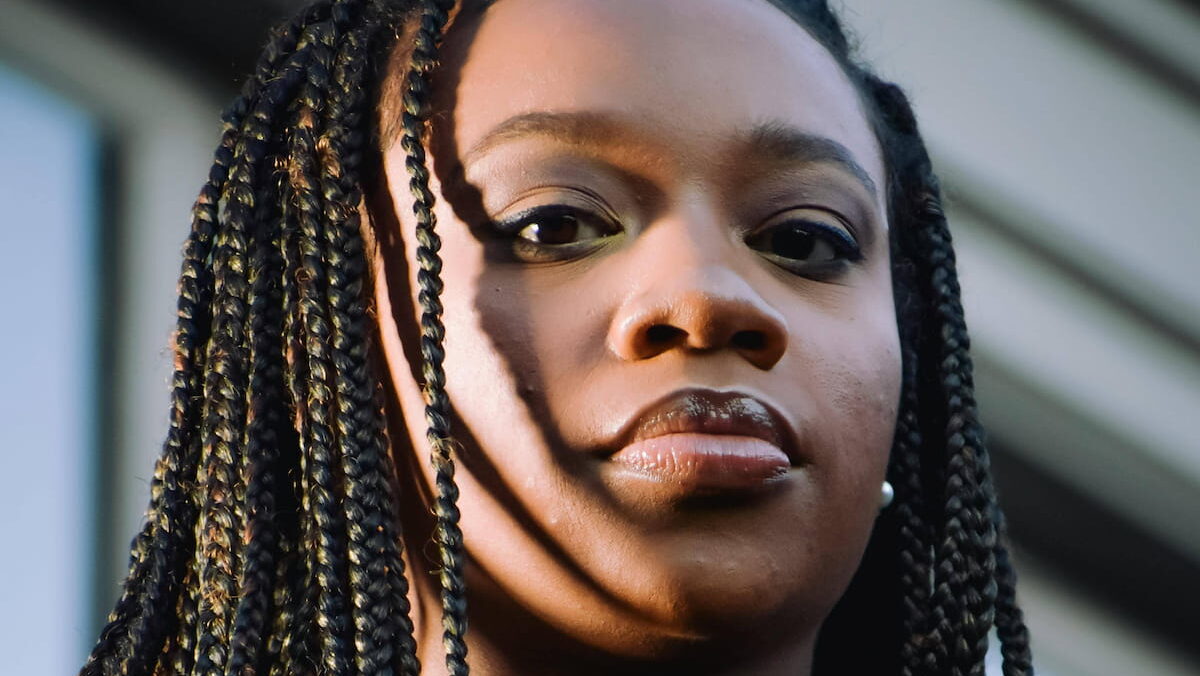
In the first stages, traction alopecia may appear as little bumps on your scalp that look like pimples. However, as the condition progresses, the main symptom is missing and broken hair. The hairs on the front and sides of your scalp are most often affected. However, many may also notice hair loss in other areas of their scalp, depending on the hairstyle.
In addition to hair loss, traction alopecia can cause these symptoms:
According to the Scarring Alopecia Foundation, ultimately, the hair follicles can become so damaged and scarred that they can’t produce new hair. The symptoms of traction alopecia are different from those of other forms of alopecia. In other types, hair loss occurs in patches across the scalp. In traction alopecia, usually just the hair that’s been pulled is affected.
“Hair is a cornerstone of self-esteem and identity for many people but ironically, some hairstyles meant to improve our self-confidence actually lead to hair and scalp damage,” Dr. Crystal Aguh, an assistant professor of dermatology at Hopkins, said in a university news release.
The findings show the need for dermatologists to learn more about these potentially damaging forms of hairstyles and to advise patients about the risks and alternatives, the researchers suggested.
Traction alopecia is preventable, and early intervention can stop or reverse it, the researchers said. Alternating hairstyles and avoiding those that constantly pull at the hair roots may help, they noted.
“We have to do better as care providers to offer our patients proper guidance to keep them healthy from head to toe,” Aguh said.
To prevent traction alopecia, wear your hair down. If you have to pull it up into a ponytail or bun, keep it loose and low on your head. Switch up your hairstyle every couple of weeks. You can alternate between braids and wearing your hair down to relax the hair shaft. When you pull your hair up into a ponytail, try not to use rubber or elastic bands to hold it in place. They often pull out your hair when removing them.
Avoid chemically processing your hair and using hair relaxers. If you use weaves or braid your hair, it becomes more prone to breakage, especially if the hair is thin. The chemicals can damage your hair, increasing the likelihood of breakage when braiding. If you have weaves or extensions, wear them for only a short time and take a break before your next install.
When braiding your hair, make sure the braids are thick. Thinner braids pull more tightly. Don’t sleep in rollers. Wrap your hair instead. If you wear wigs often, choose one with a satin wig cap. Satin caps don’t pull as hard on your scalp and prevent your hair from snagging on the material.


By subscribing, you consent to receive emails from BlackDoctor.com. You may unsubscribe at any time. Privacy Policy & Terms of Service.