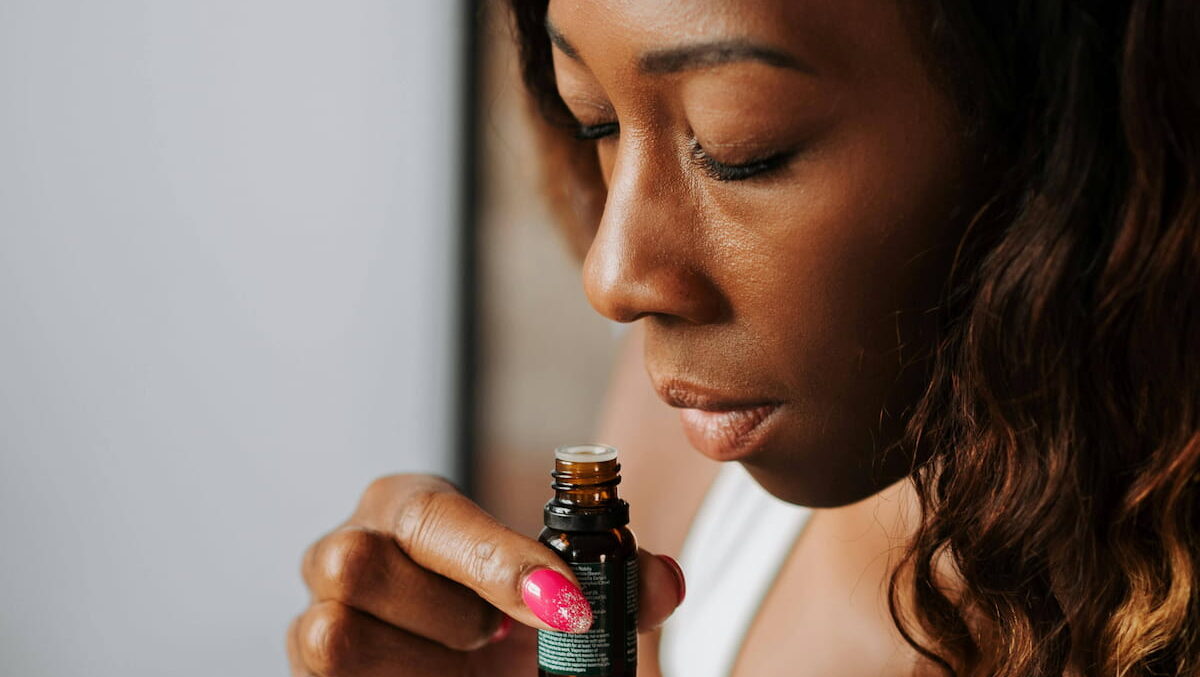
Essential oils have taken the wellness world by storm for years. From beautifully curated Instagram shelves to TikTok testimonials claiming they “healed both body and mind,” these tiny bottles have built a big reputation. Add in phrases like “therapeutic grade” and promises of life-changing results, and it’s easy to see how the conversation can get a little cloudy.
So where does science end and hype begin? While essential oils do have documented benefits and centuries of traditional use, not every claim floating around the internet holds up under research. The key isn’t choosing sides. It’s learning how to separate marketing magic from measurable evidence. Let’s break it down.
Essential oils are highly concentrated plant extracts that capture the aromatic compounds responsible for a plant’s scent, flavor, and protective properties. They’re typically made from flowers, leaves, bark, roots, peels, or resins, using processes such as steam distillation or cold pressing.
Think of the calming scent of lavender fields or the bright zest of a freshly peeled orange. Essential oils bottle up those powerful plant essences in their most potent form. For centuries, cultures around the world have used plant oils in rituals, medicine, and daily life, and today they remain a staple in holistic health practices rooted in both tradition and growing scientific curiosity.
RELATED: Butters or Oils? Which is Best for Brown Skin?
In modern wellness, essential oils are typically used in aromatherapy, where inhaling their scent can influence mood, stress levels, and even sleep quality. A few drops of lavender in a diffuser may help promote relaxation before bed, while peppermint oil can boost focus or ease tension.
Some oils are diluted with carrier oils and applied topically for massage, skincare, or muscle recovery. Let’s explore five common essential oils and the science-backed ways to incorporate them into everyday life:
Lavender is widely studied for its ability to reduce anxiety, improve sleep quality, and ease mild stress. Research shows that inhaling lavender can lower heart rate and promote calm, making it a go-to for bedtime routines and nervous system support. It’s also commonly used topically (when properly diluted) to soothe minor skin irritation.
Peppermint oil has strong evidence supporting its use for tension headaches (especially when diluted and applied to the temples) and digestive discomfort. Inhaling peppermint may also improve alertness and focus, often used or suggested in highly academic spaces.
Eucalyptus oil is known for helping clear nasal congestion and supporting easier breathing. Studies show its active compound, eucalyptol, has anti-inflammatory and antimicrobial properties, which is why you’ll often find it in chest rubs and steam inhalations during cold and flu season.

Tea tree a skincare superstar. Tea tree oil is well-documented for its antibacterial and antifungal properties. In diluted form, it is used to help manage acne, minor fungal concerns, and scalp irritation. It’s a powerhouse for natural skincare routines focused on clarity and balance.
Lemon is bright, clean, and mood-boosting. Lemon oil has antimicrobial properties and is often used in natural cleaning products. For aromatherapy, citrus oils like lemon have been shown to elevate mood and reduce stress markers. It’s sunshine in a bottle, uplifting and refreshing for both mind and space.
There is something important we all should keep in mind when exploring essential oils. “Natural” does not always mean “safe.” When misused, many essential oils can be toxic or even deadly to household pets and small children (keep tea tree oil away from dogs!).
With each essential oil you choose to look into, it is crucial that you do your research and understand how to use it. We can’t really generalize when discussing these oils. Here are some common misconceptions and misuses in the essential oil industry:
Not with essential oils. Overdoing it can lead to headaches, skin irritation, or more serious side effects. A two percent dilution in a carrier oil (such as jojoba or sweet almond) is generally recommended for topical use. With essential oils, less is more.
Nope. A rash isn’t your body “releasing toxins.” It’s almost always irritation or sensitization. Essential oils should never burn or cause discomfort. If your skin reacts, wash it off (with carrier oil, not water) and give your skin a break.
Applying essential oils undiluted is one of the quickest ways to irritate your skin. Because they’re so potent, most oils should always be diluted before topical use, especially for kids, during pregnancy, or if you have sensitive skin.
Here’s the truth: “therapeutic grade” is a marketing term. It’s not regulated or recognized by any official governing body. Quality depends on sourcing, purity testing, and transparency, not buzzwords on a label.
Essential oils absolutely oxidize over time, especially citrus oils. Once oxidized, they’re less effective and more likely to become harmful. Store them in dark glass bottles, away from heat and light, and pay attention to shelf life.
Essential oils can support wellness, and while research is ongoing on how their antimicrobial and antiviral benefits might help combat diseases in the future, they are not cures for chronic disease at this time. They should never replace conventional medical care. Think of them as complementary tools, not miracle medicine.
Not quite. Citrus oils like lemon, lime, and bergamot can cause photosensitivity. Applied before sun exposure, they can lead to hyperpigmentation, severe sunburn, or blistering. If you’re using citrus oils topically, avoid direct sunlight for at least 12–24 hours or use sunscreen religiously.
Essential oils can be beautiful additions to a wellness routine, but informed use is powerful use.


By subscribing, you consent to receive emails from BlackDoctor.com. You may unsubscribe at any time. Privacy Policy & Terms of Service.