
Spring should feel like a fresh, blooming reset, but for many, it arrives with congestion, itchy eyes, and a constant battle with pollen. According to the CDC, more than one in three adults and one in four children suffer from seasonal allergies, also known as hay fever. As soon as the first bursts of green appear on trees and flowers bloom, eyes become watery, sinuses are swollen, and some even get physically itchy from the presence of pollen in the air.
Your body’s histamine response drives those all-too-familiar symptoms. When allergens like pollen enter the system, the immune system flags them as threats and releases histamine, triggering inflammation, mucus production, and irritation. It’s a protective defensive response, but not always a comfortable one.
Small, supportive rituals can make a big difference. Staying hydrated helps thin mucus and keeps your system moving, while warm liquids like tea can soothe irritated tissues and promote sinus drainage. In fact, certain teas contain compounds that may help regulate inflammation, support immune function, and gently ease allergy symptoms. Below are six teas to keep in your rotation this season.
RELATED: Quick Guide To Seasonal Allergy Relief
Green tea is a quiet powerhouse when it comes to allergy support. Rich in antioxidants, especially a compound called EGCG (epigallocatechin gallate), it may help reduce inflammation and even inhibit the release of histamine. That means fewer sniffles and less irritation over time.
It’s also a great daily morning beverage. Light, herbal, and easy to sweeten with a touch of honey, green tea offers a gentle caffeine boost without the crash, making it a smart swap for your second cup of coffee.
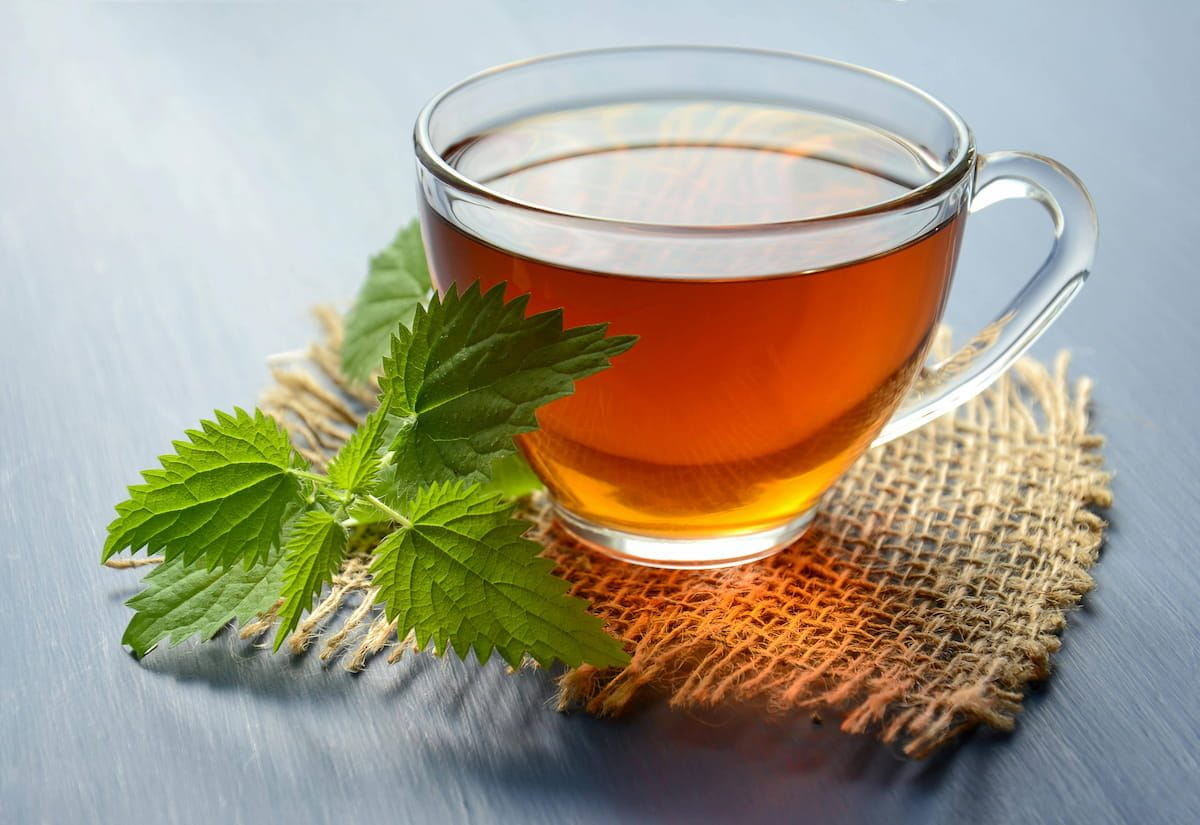
Nettle tea has a long-standing reputation in herbal medicine as a natural antihistamine. It contains compounds that may help block histamine receptors, making it especially helpful for reducing sneezing, itching, and nasal congestion.
Earthy and slightly grassy, enjoy nettle tea consistently rather than occasionally. Think of it as a daily tonic that works subtly over time to help your body respond more calmly to seasonal triggers.
If you’re looking for instant relief, peppermint tea is your go-to. The menthol in peppermint acts as a natural decongestant, helping to open airways and ease sinus pressure. That refreshing, cooling sensation isn’t just in your head. It’s the components unique to peppermint that actively work to help you breathe a little easier.
It’s the perfect afternoon or post-meal tea, especially on days when pollen counts are high, and your sinuses feel it.
This iconic duo is all about fighting inflammation. Turmeric contains curcumin, a compound known for its anti-inflammatory and antioxidant properties. At the same time, ginger supports circulation and may help reduce throat irritation and nausea that sometimes comes with nasal congestion.
Together, they create a warming, slightly spicy tea that feels as comforting as it is functional. Add a squeeze of lemon for an extra soothing boost or pepper for extra spice and to increase turmeric’s effectiveness.
RELATED: Herbal Tea: Natural Healing or Just Clever Marketing?
Naturally caffeine-free and rich in antioxidants, rooibos tea is a gentle yet effective option for allergy season. It contains quercetin, a plant compound that may help stabilize mast cells and reduce histamine release, the key players in allergic reactions.
Its naturally sweet, nutty flavor makes it an easy evening wind-down drink, especially for those looking to avoid caffeine while still supporting their immune system.
Elderberry is widely known for its immune-supporting properties, particularly during cold and flu season, but it can also help manage allergies. Rich in antioxidants and vitamins, elderberry helps support the body’s overall immune response, making it more resilient when faced with environmental stressors like pollen.
Fruity and slightly tart, elderberry tea feels like a treat while still delivering functional benefits.
When it comes to consuming tea as medicine, the key is consistency. These teas aren’t quick fixes, but gentle, supportive tools that work with your body over time.
Getting your daily tea in doesn’t have to feel repetitive. There is plenty of space to get creative! Brew a strong batch and pour it over ice with citrus and fresh herbs for a refreshing cooler, or blend chilled tea into smoothies for an antioxidant boost. You can also use herbal teas as a base for oatmeal or honey-sweetened lattes for a unique twist. The goal is to make it easy, enjoyable, and part of your routine.
As you build your tea ritual, quality matters. Choose organic and ethically sourced teas to reduce exposure to pesticides and support better growing practices. Pay attention to your tea bags, too. Many contain plastics like nylon or polypropylene, which can release microplastics when heated. To avoid this, shop for loose-leaf tea and use a stainless steel or glass infuser, or look for brands that use plastic-free, biodegradable bags.
By making space for simple rituals like tea drinking, you’re managing symptoms while creating moments of calm and connection within your day. This spring, let your reset be rooted in nourishment.


By subscribing, you consent to receive emails from BlackDoctor.com. You may unsubscribe at any time. Privacy Policy & Terms of Service.