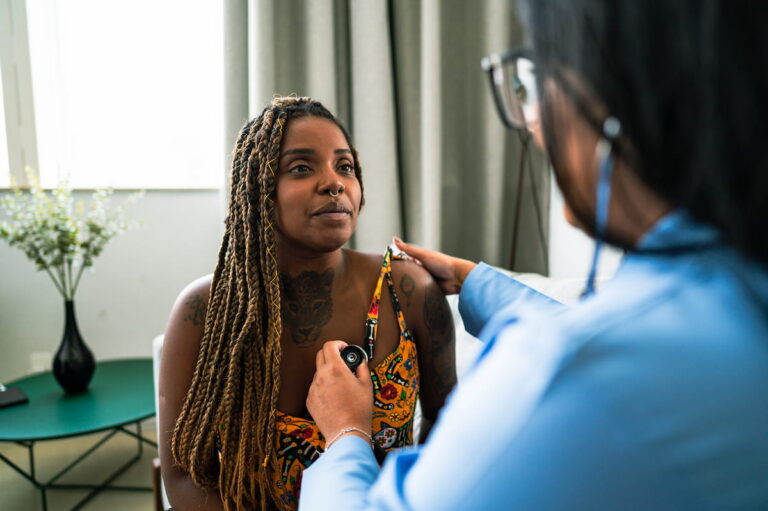
There is a quiet pattern that many Black women know all too well. You feel something in your body shift. You notice a symptom that wasn’t there before. You bring it up—and instead of answers, you get reassurance. “It’s just stress.” “That’s normal.” “Your labs look fine.”
And over time, those responses can make you question yourself. You start to wonder if you’re overreacting. You wait a little longer. You try to push through it. But here’s the truth: not everything that is common is normal. And not everything that is dismissed is harmless.
Many conditions that affect women—especially reproductive and hormonal conditions—are frequently minimized, misunderstood, or diagnosed late. And for Black women, those delays and dismissals happen even more often due to systemic disparities in care and bias in how symptoms are interpreted.
Research shows that Black women experience higher rates of certain conditions like uterine fibroids and often face more severe symptoms and delayed care. At the same time, conditions like endometriosis can take years to diagnose, with many women reporting that their pain was dismissed or normalized.
That’s why recognizing symptoms early—and knowing when to push for answers—is so important.
RELATED: Routine Checkups Black Women Commonly Miss—and Why They Matter
Many women grow up being told that painful periods are just part of being a woman. But there is a difference between discomfort and disruption. If your period causes you to miss work, school, or daily activities… If the pain feels intense, sharp, or debilitating… If you are bleeding heavily for days at a time… That is not something to ignore.
Conditions like uterine fibroids and endometriosis are often behind these symptoms. Fibroids are extremely common among Black women—affecting a majority by midlife—and often lead to heavy bleeding, pelvic pain, and even anemia.
Endometriosis can also cause severe menstrual pain, chronic pelvic pain, and fatigue, yet it often takes years to diagnose because symptoms are dismissed as “normal period pain”.
According to the Office on Women’s Health, heavy or prolonged bleeding—also known as menorrhagia—can be a sign of underlying conditions that require evaluation, not dismissal. Pain that interferes with your life is not normal. It is a signal.
Pelvic pain is another symptom that is frequently minimized. It may come and go. It may be tied to your cycle—or not at all. It may feel like pressure, cramping, or deep aching. And because it is not always constant, it is often brushed off. But persistent or recurring pelvic pain can point to conditions like fibroids, endometriosis, or adenomyosis—all of which can significantly affect quality of life.
Endometriosis, for example, can cause pain not just during menstruation, but during everyday activities like sitting, walking, or using the bathroom. It is also associated with infertility and long-term complications if left untreated. What makes this symptom especially important is that it is often normalized. Women are told to tolerate it. To manage it quietly. To accept it as part of life.
But chronic pain is not something your body is designed to ignore. It is something your body is asking you to investigate.
Fatigue is one of the most overlooked symptoms in women’s health. It is easy to explain away. You’re busy. You’re stressed. You’re not sleeping enough. But there is a difference between being tired and being persistently, deeply fatigued. If you are getting rest but still feel exhausted… If your energy feels consistently low… If daily tasks feel harder than they used to…
That deserves attention. Fatigue can be linked to several underlying issues, including hormonal imbalances, anemia from heavy menstrual bleeding, or chronic inflammatory conditions like endometriosis. When heavy bleeding leads to significant loss of blood, it can result in anemia, which often presents fatigue, dizziness, and weakness.
The problem is that fatigue is often dismissed as lifestyle-related without deeper evaluation. But when it persists, it often signals that something is off internally.
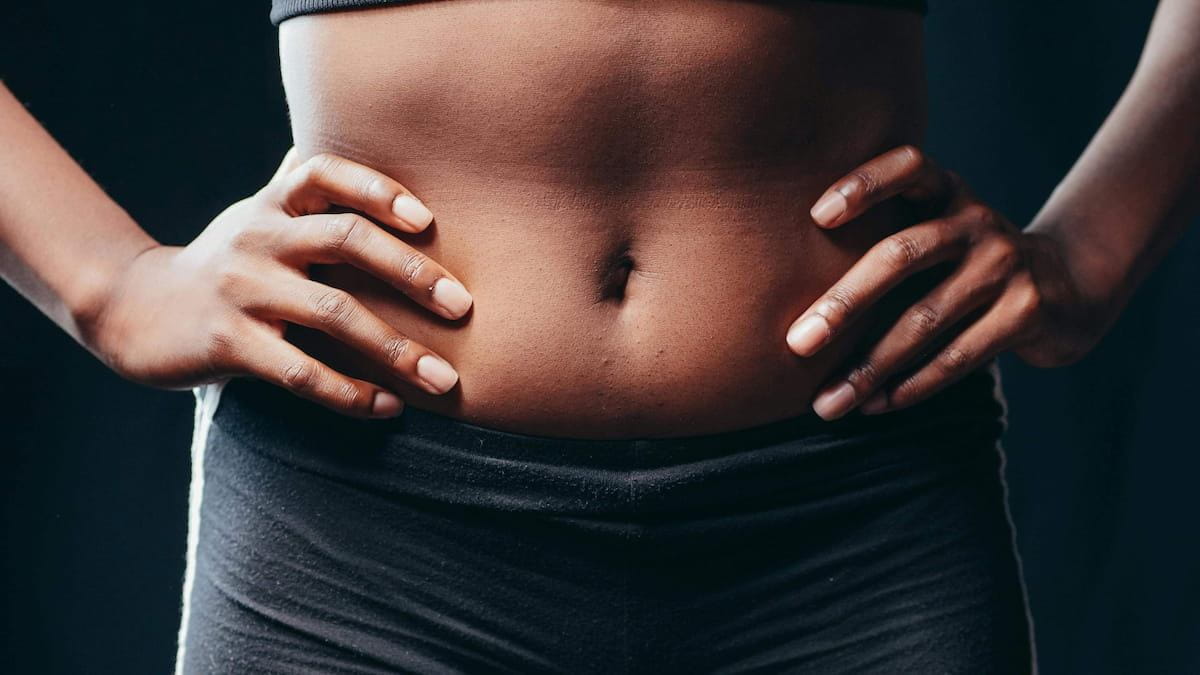
Bloating is another symptom that is frequently brushed aside. It is often labeled as diet-related or temporary. But when bloating is persistent, painful, or paired with other symptoms, it may be more than that. Conditions like fibroids can cause noticeable abdominal pressure, swelling, or a feeling of fullness. Some women describe it as looking or feeling like pregnancy, even when they are not pregnant.
Other conditions, including endometriosis, can also cause bloating—sometimes referred to as “endo belly”—due to inflammation and hormonal changes. The key difference is consistency. Occasionally, bloating after a meal is normal. Persistent bloating does not go away. If your body feels different over time—especially in a way that does not resolve—it is worth asking why.
This is one of the most under-discussed—and ignored —symptoms. Pain during sex is often normalized or left unspoken. Many women feel uncomfortable bringing it up, and when they do, it may not always be taken seriously. But pain is never something your body is meant to endure silently.
Pain during sex, changes in menstrual cycles, or difficulty with fertility can all be connected to underlying conditions like fibroids or endometriosis. Endometriosis, in particular, is known to cause pain during intercourse, as well as fertility challenges, yet it is frequently underdiagnosed, especially in Black women. These symptoms are not just personal; they are clinical. And they deserve to be addressed with care and attention.
There are several reasons why these symptoms are often minimized. Some are rooted in culture, where pain is normalized and endured rather than investigated. Some are rooted in medicine, where conditions affecting women’s reproductive health are under-researched or misunderstood. And some are rooted in bias.
Black women are more likely to have their symptoms attributed to stress, weight, or lifestyle before deeper investigation is considered. This combination creates a pattern where symptoms are:
And over time, that delay can lead to more serious complications.
This is one of the most important shifts to make. Just because something is common does not mean it is normal. Heavy bleeding is common. Chronic pain is common. Fatigue is common. But none of these are things your body is meant to live with untreated. Normal means your body is functioning without ongoing distress.
If a symptom is persistent, worsening, or interfering with your daily life, it deserves attention—even if other people experience it too.
If you have brought up a symptom more than once… If it is not improving… If it is affecting your daily life… It is time to push for more.
You can ask:
You are not asking for too much. You are asking for thorough care. Your body speaks in signals.
None of these is random. And none of them should be ignored, especially when they persist. Black women have long been told to endure, to push through, to normalize discomfort. But your health deserves more than endurance. It deserves attention. It deserves investigation. It deserves to be taken seriously the first time you speak up. Because recognizing these symptoms early—and acting on them—can make all the difference.


By subscribing, you consent to receive emails from BlackDoctor.com. You may unsubscribe at any time. Privacy Policy & Terms of Service.