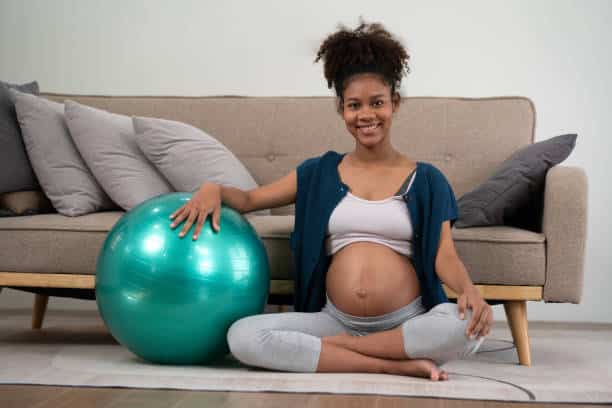
Women can spend up to four hours giving birth to their babies. This is after up to 48 hours of early labor. That is a lot of time, and I don’t think that we have enough conversations about the toll birth takes on the physical body aside from the baby’s exit.
Yes, we all think about what’s going to happen to the vagina, but what about the rest of the body? You are going to sweat, work, and use unexpected muscles. The good news is that, like any form of physical activity, you can train for active labor.
While all forms of exercise will support and strengthen your body (keep those pre-baby workouts going as long as you can!). Prenatal yoga is a movement designed to empower the body for birth. Learn how Prenatal Yoga can uniquely support and prepare your body for giving birth.
RELATED: Prenatal Genetic Testing: What Every Expecting Parent Should Know
Yoga was crafted to prepare the body for meditation. This requires long periods of sitting comfortably on the floor. Sure, sitting sounds easy, but if you go and try to sit criss-cross applesauce on the floor for 10 minutes right now, I bet you’ll struggle to maintain that position comfortably.
To sit comfortably on the floor, you must develop limber muscles, strong posture, and solid core muscles. A typical yoga routine provides a perfect balance of lengthening and strengthening movements, allowing the body to gain strength as it gets more flexible.
This is perfect for a body preparing for birth. You’ll need strength to assist your body with delivering your baby, and flexibility, particularly in the hips and hip flexors, so that your body has the space to shift for delivery.
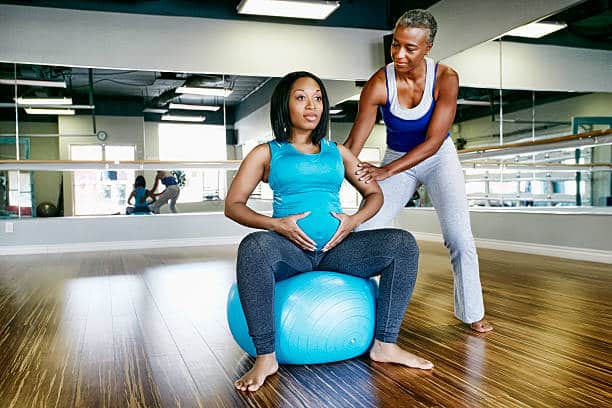
Up to 80 percent of women experience back pain during pregnancy. Several factors contribute to this, including the additional weight and pressure of your growing baby. Prenatal Yoga provides movements that will shift weight out of your lower spine to give it relief and offers ways to strengthen the back and core muscles so that you have the support you need to lessen back pain. Yoga poses can also help with alignment and posture, which can help alleviate pain throughout the back muscles and along the spine.
RELATED: Second Trimester Prenatal Testing: An Ob-Gyn Shares What To Expect
One day, when I was pregnant with my son, I was in a bad mood. It happens, right? Some days, thanks to those wild, shifting hormones, it’s just hard to shake the funk. I was NOT in the mood to leave the couch, let alone go to yoga. But I went anyway. I went mad and sad, and grumpy. I went through the routine, frowning. I did all the strengthening poses irritated.
But by the end of class, I was suddenly… lighter. Less grumpy and less mad. The instructor guided us through some affirmations and gratitude, and I looked down at my little bump and felt so much joy. That one hour on the mat completely shifted my day.
A key component of yoga is mental and emotional regulation. Breathwork can calm the nerves and ease anxiety. Gentle movement relaxes the body and focuses the mind.
This is not only helpful during your pregnancy but also during the birthing process. You’re going to have to be able to calm yourself down. You’re going to need to tell yourself to relax and find peace. Yoga trains the body to connect with the mind and spirit, so that when your circumstance gets extreme (contraction pain is no joke), you can stay calm and think clearly.
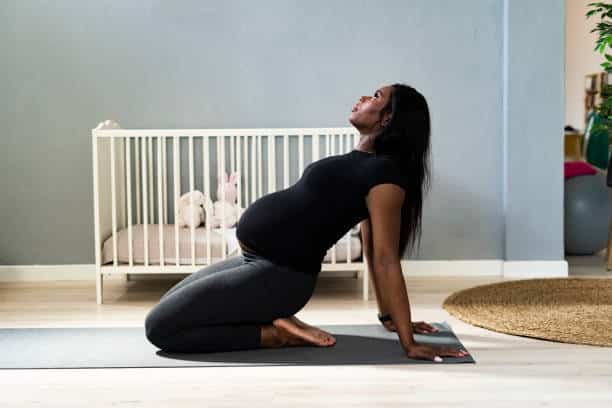
When we see birth acted out in movies or on TV, there is always a doctor or nurse yelling, “Push!”
Push what? Push where? While the body naturally contracts during birth to move your baby along, you can assist if you know how. Women often exert themselves pushing in the wrong way, as we often associate pushing with, well, going to the bathroom.
These are not the correct muscles for delivering a baby. There is some deep core involved, along with support from the pelvic floor. Even the hip flexors play an important role. To push from your deep core and pelvic floor, you’ll need to know where those are located in the body and how to activate them. Movements in Prenatal Yoga are intentionally designed to help you discover and strengthen birthing muscles to support a quicker delivery.
While we all get excited as a baby grows in our bellies, every woman goes through that period of insecurity. The baby bump is exciting, but the swelling ankles? Is the ring on your finger getting a little too tight? These moments, while completely natural, are not as exciting.
A few things are causing you to swell. Fluid retention, higher blood production, hormones, and stress on the blood vessels are all contributors. Exercise can help.
In Prenatal Yoga, there are movements specifically designed to support blood circulation, many of which are not practiced in any other form of exercise. You’ll spend time moving just your fingers and toes, hands and feet, and take poses that encourage blood circulation, which helps swelling to decrease.
RELATED: 6 Things To Look For When Searching For A Prenatal Doctor
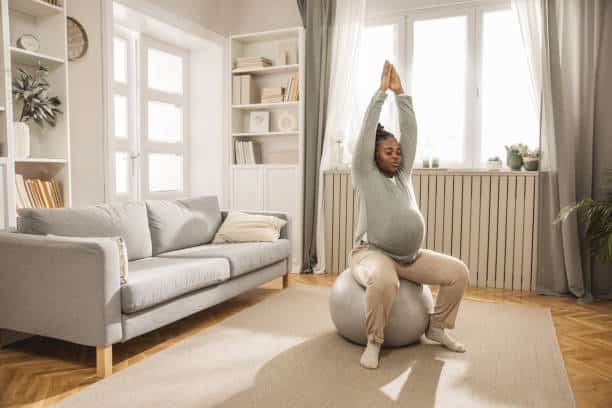
While Prenatal Yoga is generally a safe and effective form of movement, there are a few precautions you should take before joining your first class:


By subscribing, you consent to receive emails from BlackDoctor.com. You may unsubscribe at any time. Privacy Policy & Terms of Service.