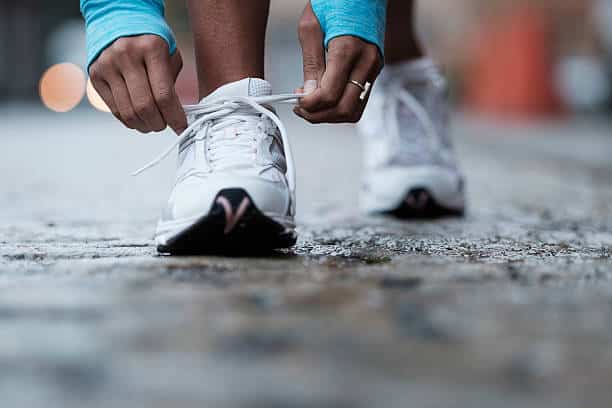
Anyone who uses walking or jogging as exercise is at risk of developing blisters on their feet. However, those with diabetes should be extra cautious with these painful skin irritations. If they’re not handled properly, you could be in for more severe health problems.
One of the characteristics of diabetes is that you’re likely to have poor blood flow in your extremities. This affects how well any injuries on your feet heal as well as the likelihood of you feeling that you’ve been hurt.
Many people with diabetes get serious infections on their feet because they never noticed a small injury when it happened. Usually, it’s in your best interest to prevent the blisters from forming in the first place.
RELATED: 7 Ways To Keep Your Feet Healthy With Diabetes
Shoes can cause friction that leads to blisters, especially if they’re new or ill-fitting. When shopping for shoes, seek those that fit well and are comfortable.
It also helps to break the shoes in slowly. Even if you’re used to walking long distances, don’t plan for the same trek with your new shoes.
Your socks are another layer of protection for your feet. These should be comfortable and preferably made from material that absorbs sweat.
They shouldn’t be so thick that your toes can’t move and there should be no seams to cause friction. Some runners also recommend that you change your socks over long distances so that they’re fresh.
If you’re just starting out, there are many reasons to take it slowly, and preventing blisters is one of them.
Another advantage of moving slowly is that you give your feet time to develop calluses, which can prevent the development of blisters.
Along with friction, excess moisture can lead to blisters as well. That’s why it’s a good idea to absorb or prevent sweat.
Many runners swear by applying antiperspirant to the feet or sprinkling cornstarch in the shoes. On the other spectrum, dry feet can crack easily and introduce bacteria into wounds. Oil-based moisturizers like petroleum jelly, ointments, and sports lubricants are all good options.
Though these areas can vary from one person to the other, there are certain parts of the feet that are vulnerable to blisters. You can protect them by using soft bandages, sports tape, moleskin, or special patches. If you’re looking for personalized recommendations, talk to your doctor.
Generally, you can treat a blister by keeping it clean, covered, and protected. First, dermatologists recommend using a bandage but pushing the ends up so that the middle is raised.
Alternatively, you can protect the blister by surrounding it with padding, then applying a bandage over the blister. Doing this ensures that the blister can heal without further irritation.
In most cases, blisters heal by themselves in 2-5 weeks. However, some of them get worse and they need to be drained of the fluid they contain. Since you’re dealing with diabetes, it’s recommended that you have this done by your doctor. After the blister has been drained, you can take care of it by using the medication your doctor prescribes and keeping the area clean.
RELATED: Diabetes and Your Feet: What You Don’t Know Will Hurt You
As noted in the previous section, it’s possible for most people to treat blisters without a doctor’s intervention. Those with diabetes aren’t always that lucky, though. You have to be on the lookout for any changes that indicate that you’ve developed an infection.
If the blister gets larger, becomes more painful, gets redder, or you have signs of a fever, you need to see a doctor. Even if none of those occur, you should be careful with a blister that needs to be drained. This kind of drainage needs to be done by a doctor so that the blister doesn’t get infected.
While it’s great to stay physically active, you have to take additional precautions against blisters when you’re living with diabetes. Once you learn how to prevent them, you can enjoy your walks a lot more. If you still develop them, however, it’s best to take care of them quickly and see your doctor for those that need to be drained.


By subscribing, you consent to receive emails from BlackDoctor.com. You may unsubscribe at any time. Privacy Policy & Terms of Service.