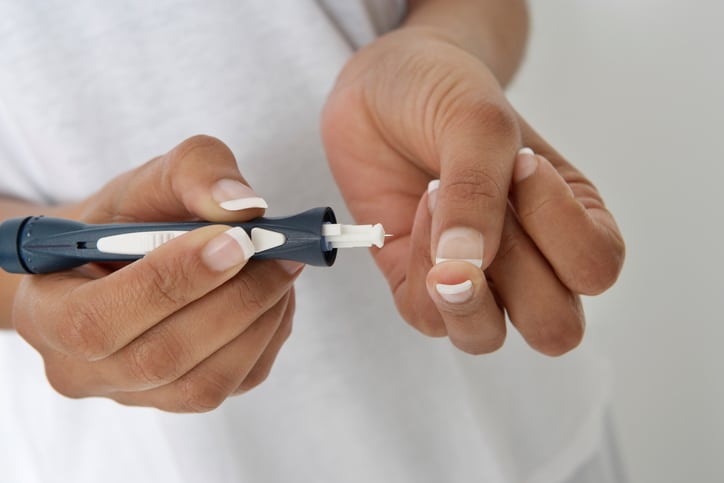
You might be surprised to know that 9 out of 10 people with diabetes require diabetes medication, insulin injections or both to manage blood glucose—also called blood sugar. Keeping blood glucose under control is important to reduce your risk of developing diabetes-related complications.
The type of medicine you take depends on several factors such as your type of diabetes, how well the medicine controls blood glucose levels, your health conditions, medication cost and your daily schedule.
Insulin
If you have type 1 diabetes, you need to take insulin on a daily basis because your body no longer makes insulin. (As a reminder, insulin is a hormone produced by your pancreas that helps your body us glucose for energy.) Historically, people with type 2 diabetes only got insulin as a last resort. However recent research has led to a paradigm shift; insulin therapy is now initiated much earlier in the course of type 2 diabetes. In fact, many people with type 2 diabetes are treated with insulin in combination with oral medications—pills taken by mouth.
There are several types of insulin available. Each type has a different time of onset (how soon it starts to work), peak (when it has the strongest effect) and duration (how long its effect lasts).
There are also several ways to take insulin depending on your lifestyle, insurance plan and preference. Insulin is commonly injected using a syringe, pen or insulin pump. Inhalers, injection ports and jet injectors are also available.
Oral Diabetes Medication
If you have type 2 diabetes diet and exercise are always at the forefront of management. But when healthy eating and exercise alone are not enough to control your blood glucose you are likely to start medical treatment with an oral medication called metformin. This medication lowers the amount of glucose that your liver makes and helps your body use insulin better. Metformin may also help you lose a small amount of weight. If you have difficulty swallowing tablets metformin is available as a liquid called Riomet.
There are other oral diabetes medications; each works in a unique way to control your blood glucose levels. These medications help the body produce more insulin, use its own insulin better, produce less glucose from the liver, limit carbohydrate absorption after a meal or absorb less glucose from the kidney. Because these medications work in different ways, you may need to add another diabetes medicine after a while or use a combination treatment. Combining two or three kinds of diabetes medicines can lower blood glucose levels more than taking just one.
Non-Insulin Injectables
Besides insulin, other types of injected medicines are available. These medications mimic the action of the natural hormones in your body that stimulate the pancreas to secrete insulin and help keep your blood glucose level from going too high after you eat. They may also help you feel satisfied with less food which could result in weight loss. Learn more about noninsulin injectable medicines here.
It’s important to keep track of what kind of diabetes medicine you take. You should know the name of your diabetes medicines, the amount you take, how often and when to take them.
If you take insulin, you should also know the onset, peak, and duration of your insulin.


By subscribing, you consent to receive emails from BlackDoctor.com. You may unsubscribe at any time. Privacy Policy & Terms of Service.