Black American men and women have the highest rates of developing and dying from colorectal cancer than any other racial group in the United States. There’s strong evidence that a high-fiber, low-fat meal pattern may help promote a healthy digestive tract and potentially reduce the high incidence of colon cancer in black Americans.
The American Cancer Society’s nutrition guidelines for cancer prevention recommend a healthy eating pattern based on a variety of dark green, red, and orange vegetables; beans and peas; whole fruits with a variety of colors; and whole grains. These plant foods provide beneficial nutrients, including naturally occurring, cancer-fighting compounds called phytonutrients.
No one food can protect you against cancer by itself. However, research shows that the following six foods can help reduce the risk of colon cancer.
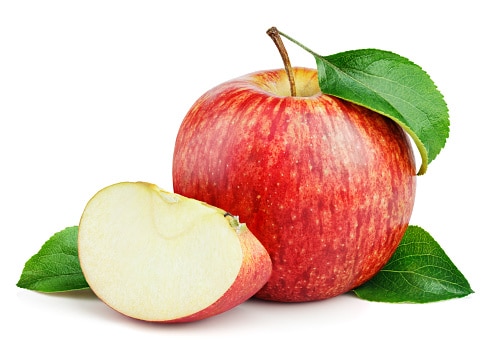
Apples provide fiber, vitamin C, and phytonutrients. To get the most benefit, you should eat the whole apple because the peel contains most of the cancer-fighting phytonutrients.
When buying fresh apples, look for firm, shiny, smooth-skinned apples with the stems intact. At home, refrigerate apples in a plastic bag away from foods with strong odors. Fresh apples are best when used within three weeks.
Asparagus is a good source of vitamin C that is low fat and low calorie.
When selecting fresh asparagus, look for odorless asparagus stalks with dry, tight tips.
Store fresh asparagus in the refrigerator for up to four days. Wrap the ends of the stalks in a wet paper towel and place in a plastic bag. To preserve the nutrients and phytocompounds in asparagus, you can steam, grill, or stir-fry them.
Broccoli is the most commonly consumed cruciferous vegetable in the U.S. Other cruciferous vegetables include Arugula, Bok choy, Brussels sprouts, cabbage, cauliflower, kale, radish, and turnips.
Broccoli provides fiber, vitamin C, vitamin K, and potassium. When buying fresh broccoli, look for odorless broccoli heads with tight, bluish-green florets. When refrigerated, broccoli will remain fresh for 3-5 days.
To preserve broccoli’s rich nutrient content, you can steam, stir-fry, sauté, or briefly microwave. Deep-frying or boiling in water reduces nutrient content in half.
Pulses include kidney beans, pinto beans, black beans, lima beans, black-eyed peas, garbanzo beans (chickpeas), split peas, and lentils. These fiber-rich vegetables contain phytonutrients called polyphenols.
Pulses are available dry, canned, and frozen. Dried pulses should be stored at room temperature in a closed container to protect them from moisture and pests. Canned beans can be stored at room temperature but should be used before the date on the can.
Soy foods contain all the amino acids your body needs to make protein. Whole soybeans, edamame (young green soybeans), tofu, soy nuts, and tempeh are popular soy foods.
Edamame is available fresh, frozen, and dried. If selecting fresh edamame, choose beans that are crisp and free from blemishes.
Edamame will stay fresh for 4 to 5 days in the refrigerator. For best results, place dry beans in a perforated plastic bag and then refrigerate. When purchasing frozen edamame, check the “use by date” on the package.
Whole grains contain the entire grain kernel ― the fiber-rich bran, nutrient-packed germ, and starchy endosperm. Because refined grains do not have the bran and germ, whole grains provide more nutrients, fiber, and health-promoting phytonutrients. Whole grains include whole-wheat flour, bulgur (cracked wheat), oatmeal, whole cornmeal, corn tortillas, and brown rice.
Whole grains will keep up to 6 months when stored in an airtight container on a cool, dry pantry shelf. You can also store whole grains in the freezer for up to a year.
When buying grains, check the expiration or “sell by” date and choose the newest one.
The American Cancer Society’s nutrition guidelines also identify the following foods and beverages known to increase cancer risk: red and processed meats; sugar-sweetened drinks; highly processed foods and refined grain products. Even small amounts of processed meats eaten regularly increase cancer risk.


By subscribing, you consent to receive emails from BlackDoctor.com. You may unsubscribe at any time. Privacy Policy & Terms of Service.