Tackling health problems doesn’t have to be a headache.
While sometimes a condition can catch us off guard, the best offense we can play is defense. But enough with the sports analogies. It’s all about being proactive. Why wait till it’s a problem if you can ensure it never becomes a problem?
Given the higher rates of health issues like heart disease, cancer, and diabetes in the Black community, it’s especially important that you do your best.
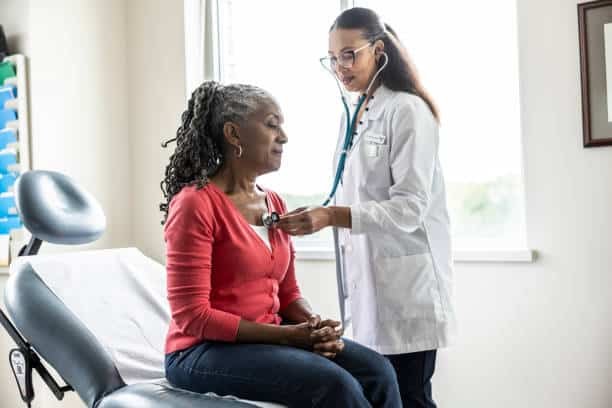
And part of that includes getting screened.
So let’s get into it. Here are six health screenings EVERY Black adult needs to be getting, pronto.
Did you know Black adults have almost twice the risk of a diabetes diagnosis as white adults? Even worse, they have higher rates of bad outcomes, such as kidney failure, vision loss, and even amputation.
When getting screened for diabetes, you may undergo various tests. These typically include what’s called an A1C test, an oral glucose test, or a fasting blood sugar test. Don’t hesitate to ask your doctor what each entails, as they all have different procedures.
According to the American Diabetes Association, if you’re 45 and older, you should get tested every three years. But if you have a family history of the disease – or risk factors – it’s a good idea to start earlier and get screened more often.
You probably know high cholesterol can be a significant problem, especially among Black folks, where it is a top cause of death. The scary part is, a lotta people with the condition don’t even show symptoms!
But here’s the good news. Regular screenings can go a long way, especially when you get a comprehensive lipid panel done. This test will measure everything from your total cholesterol to your bad cholesterol (LDL) and good cholesterol (HDL), as well as triglycerides, a type of fat in your blood.
If you are 20 or older, you should be getting screened every four to six years. And if there is a family history or personal history, definitely be sure to keep in touch with your physician. Diet, exercise, and medication, if needed, are all great ways to manage the condition.

RELATED: 5 Women’s Health Screenings You Need Right Now!
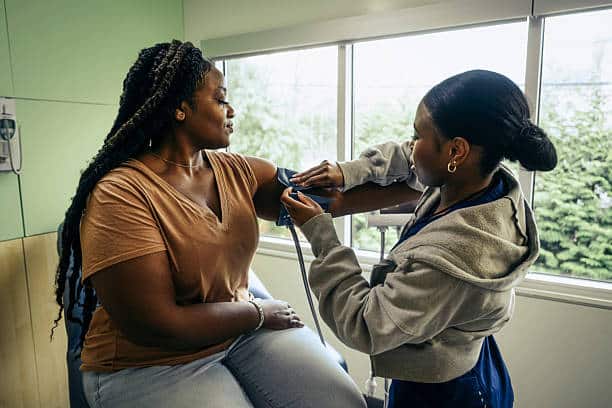
Over time, high blood pressure can lead to all kinds of conditions, such as heart attack, stroke, aneurysm, heart disease – you name it. So don’t neglect regular screenings. You can measure at home with a cuff or at the doctor with regular check-ups.
Make sure to get checked every two years at least, once you’re 18. And of course, be more vigilant if you have a family history. According to the American Heart Association (AHA), prehypertension is considered any reading with a systolic pressure of 120-129 mm Hg, and a diastolic pressure under 80 mm Hg.
Research shows that Black adults are both more likely to get diagnosed at a younger age and more likely to get an advanced diagnosis. In other words, get screened! Colorectal cancer is a leading cause of cancer in the Black community, similar to breast and prostate cancer.
When getting screened, you have options. The colonoscopy is most well-known, but stool tests and something called a flexible sigmoidoscopy are also useful. You should start at age 45 unless you have a family history. Getting screened earlier can help you detect and remove any precancerous growths.
RELATED: Black Men Aren’t Superman: Health Screenings For Black Men at Any Age
Black women are particularly vulnerable to breast cancer, facing earlier diagnoses, more advanced cases, and higher rates of poor outcomes, including death. When it comes to detecting breast cancer, mammograms are the first line of defense.
They may even detect tumors you can’t even feel yet.
Not sure when to get screened? According to the American Cancer Society, women can start at age 40 or earlier based on risk factors. However, by age 45, all women should be getting annual screens.
As they age, women should speak to their doctor about a regular screening routine.
Osteoporosis is not something you hear about as often as cancer or blood pressure, so a lot of people don’t get screened for it like they should. The good news is that getting screened is pretty easy. To get a bone density screen, you’ll undergo what is called a dual-energy X-ray absorptiometry (DEXA) scan.
Consider starting at age 65 if you don’t have a family history or risk factors.
Beyond that, it’s all about personal accountability. Stay consistent, take note of any problems or symptoms, and don’t be afraid to pose questions. Family history is a big predictor, so always be mindful of that.
With a little forward-thinking and a health-conscious approach, you’ll be on top of your health in no time!


By subscribing, you consent to receive emails from BlackDoctor.com. You may unsubscribe at any time. Privacy Policy & Terms of Service.