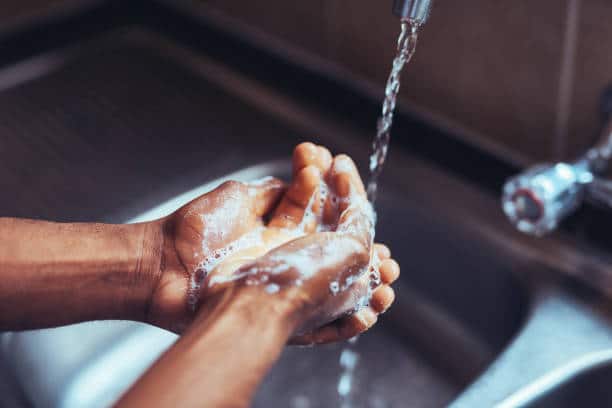
Hand-washing is one of the best ways to prevent the spread of COVID-19 and other viruses, but for people with skin conditions like eczema, lathering up frequently can lead to dryness, cracking, itchiness, pain and even an infection. In the United States, 31.6 million people are living with some form of eczema and continual handwashing and sanitizing to avoid spreading illness this season can be a source of added stress and anxiety, as this can dry out your skin and cause eczema to flare, according to Pfizer.
“Regular handwashing is important to remove dirt or soil and potentially contagious germs from your skin. For patients with eczema, it’s particularly important that they take care of their skin to not only maintain good skin hygiene, but to maintain control of their disease and avoid factors that may exacerbate their condition,” says Mark Levenberg, DO, FAAD who is a board-certified Dermatologist and Senior Medical Director, US Medical Affairs, at Pfizer Inc.
According to Dr. Levenberg, washing “May lower your risk for infection personally or spread of infection to others, and in general, when washing appropriately, allows you to try and maintain healthy skin barrier function.”
If you’re struggling to balance pandemic hand-washing and skin conditions, Dr. Jonathan Silverberg, a dermatologist at George Washington University School of Medicine in Washington, D.C., offers some advice.
Eczema: How To Treat Winter Flare- Ups
When you cleanse with soap and water, then immediately apply moisturizer, you can “offset much of the drying effects of hand-washing,” Silverberg said in a news release from the Asthma and Allergy Foundation of America. He recommends carrying a pocket tube of moisturizer so you can apply it on the go.
You may not need them, as long as you scrub thoroughly with soap for at least 20 seconds and then rinse.
RELATED: Natural Eczema Lotion
After washing, pat your hands until they are mostly dry, using a paper towel or tissue. “Once mostly dry, [i.e., your skin is still a little damp] apply a generous amount of moisturizer to coat the entire surface of your hands and fingers,” Silverberg says.
To avoid irritation from hand-washing, some people with skin conditions wear
disposable gloves and then use sanitizer on them — an approach Silverberg does not recommend.
“When we apply hand sanitizer on our bare skin, we can feel if we covered the entire surface of the hands and fingers,” he shares.
“But when wearing gloves, we limit the ability to feel this and might miss some spots on the gloves and then accidentally carry some germs.” It makes more sense to change gloves and/or wash or sanitize hands often, Silverberg notes.
Cleaning products are especially harsh on the skin.
“People should always wear gloves when using antiseptic wipes and cleaning products,” Silverberg adds.
If you carry bottles of soap and moisturizer with you, clean and sterilize the containers to remove harmful germs.
And remember: Moisturizer should not be applied unless hands are clean, to prevent contaminating the product.


By subscribing, you consent to receive emails from BlackDoctor.com. You may unsubscribe at any time. Privacy Policy & Terms of Service.