In my work promoting holistic health and fitness through the RBG FIT CLUB, I’ve heard this sentiment more than a few times: “I want to eat healthier, but it’s too expensive!” Many people want ways to upgrade their diet without breaking the bank. Well, I can dig it. And since I’ve been striving to sustain the healthy grind in my life personally since way back in the food stamp days, I think I may have a few tips to share.
The following are 7 Ways to Eat Good While on a Hood Budget. But the bottom line is: always remember, we can pay now or pay later (in suffering and doctor bills, etc.) when it comes to our dietary discipline and choices.
People think eating healthy means buying lots of expensive boxes and packages of processed foods, but that isn’t true.
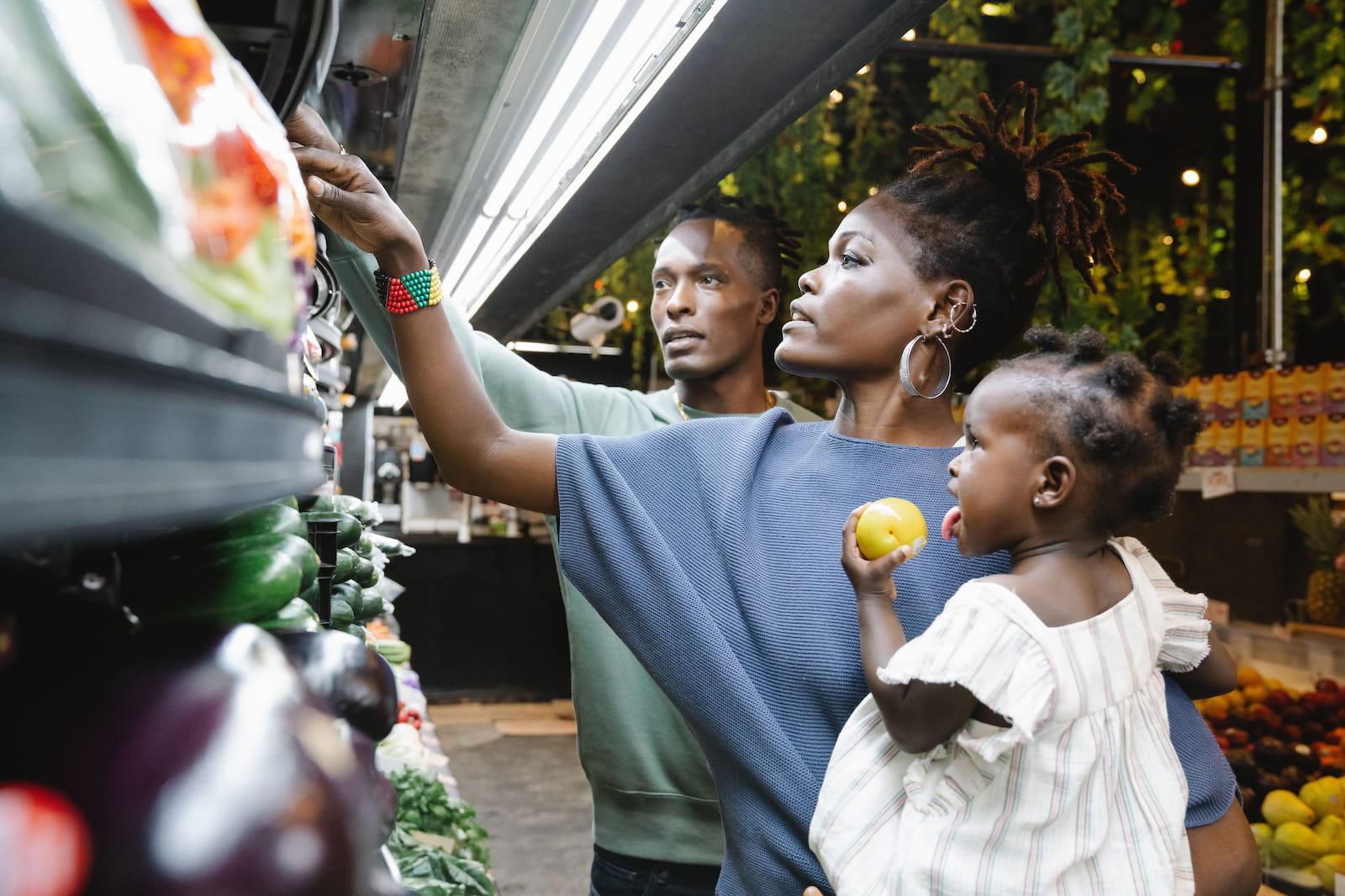
The cheapest, most nutrient-dense food in a grocery store is in the produce aisle. Fresh vegetables and fresh fruits. Trying to buy costly packaged goods, potato chips, sugary juices, and all kinds of over-processed items, even at a health food store, is when the budget starts to soar.
When we feel we don’t have time to cook, we often reach for “quick fix” items like pizza and pre-cut bags of French fries. That’s where the money adds up. But if you fill your basket with fresh greens and fruits and basic staples like rice, noodles, and beans, you will not only have a nutritious basket of food; you will also save a great deal on your food bill and future doctor bills. Eat real foods and save real money. If you’re worried the fruits and veggies will spoil before you eat them, read on to number 2!
RELATED: Affordable & Organic: 6 Places to Shop Clean on a Budget
Instead of buying fast food or eating out at restaurants, or even cooking a full meal every time you get hungry, it’s way more cost-effective, time-saving, and healthy for you to pull something out of the freezer and warm it up than it is to wash/chop/slice/boil/bake/wait in line/wait to be served, etc.
Pre-preparing and freezing weekly-sized portions of rice, salad choppings, beans, etc. will simplify your meal duties. Even if you still have to do a little cooking, you’ll save money and time all week. Spend an hour or so over the weekend, like on a Sunday evening, preparing food for the week. Then, during the week, all you have to do is pull something out of the freezer and heat it up.
Large vegetable soups over brown rice or whole-grain noodles pack vitamins and nutrients, fill you up, and are easy to make and delicious. Bean burritos, chili, and bean soup can also be easy to prepare, cheap, and good for you. Going totally meatless a couple of times a week (or for good) also helps your budget and adds variety to your palate. Frozen veggies, which are inexpensive, work great in Soups. Nothing compares to the good, filling feeling of a hot, hearty bowl of soup. It’s cheap, packed with nutrients, and easy to prepare.
In the hood, in all honesty, we spend a gang of money on cable, hair dos, sneakers, weed, parties, expensive bottles of alcohol, video games, big-screen TVs, rims, jewelry, strip club tricking, trendy name-brand clothes, car accessories, headphones, cigarettes, all kinds of overpriced things. But when it comes to our health, we often skimp and look for the cheapest food we can find.
But in our best interest, we have to value our health above all these other things and make healthy eating a priority in how we spend our resources. It makes no sense to look rich on the outside but be in poor health on the inside, right? But it’s easy for any of us to make excuses without looking at a budget, so that’s where budgeting comes in handy.
Budgets help us see where our money is really going, not where we feel like it’s going. Budgeting is also a key ingredient for financial stability, so it not only helps identify funds we can put toward healthier food choices; it’s also an essential tool for managing our financial responsibilities.
Usually, when we make a budget, we can see plenty of stuff we can do without to make room for healthier eating choices. You may say, “Shoot, I don’t make enough money to budget it!” but you don’t need a lot of money to benefit from budgeting. Budgeting helps whatever we make stretch farther and get more of what we truly value. When we value ourselves more than our things, we make healthier choices. Budget, prioritize, and prosper.

Eat fruits and vegetables that are in season. Otherwise, you’ll pay much more. For example, if you live in the northeast United States and want watermelon in the middle of winter in December, it will have to be shipped from where it is in season to your local market, and you’ll pay that extra cost.
Also, eating foods in their natural growing season helps strengthen your immune system for that season. You can freeze seasonal fruits and blend them into smoothies. You can also use frozen vegetables to make a stir-fry. They’re convenient and they don’t spoil quickly like fresh fruits and veggies.
You get discounts on groceries by joining grocery store co-ops. In exchange for a few volunteer hours each month, you get groceries at Co-op members-only prices. The same thing goes for community gardens. And you also get to learn a WHOLE lot about nutrition and health by being in that kind of environment.
Many urban farm movements are popping up all over the place, where folks are going back to the land and using whatever small plots they have right in the hood to grow food. Participating in these farms is an awesome way to learn how to grow food. Also, there are usually harvest markets where the food is sold for really affordable prices and you can get first dibs by being a community member.
Places like DTown Farms and Freedom in Detroit and Truly Living Well Farms and Habesha Gardens in Atlanta are great examples of gardens in the hood that you can Google and “dig” into! If you have even the smallest plot of land in your yard, growing your own food from heirloom seeds (non-GMO varieties) is also another way to save on the grocery bills while mastering a very useful and fun survival skill.
My wife, Afya, has been a great source of inspiration in this area in our household. You can follow her on Instagram (@AfyaIbomu) and on her blog to see our latest harvests. And last but certainly not least….
RELATED: Top 6 Fresh Produce to Pick When You’re on a Budget
Many times we think we are hungry; it may actually be a sign of thirst.
The fact that it is recommended by holistic healers and medical experts alike that we drink half our body weight in ounces of water each day means it’s safe to say many of us are chronically dehydrated, and as Rocko’s song lyric says, “we don’t even know it”. When we are drinking enough water, it curbs our appetite so we don’t overeat.
Drinking water also saves us money on the sugary drinks on the market, which we often choose to wet our whistles because of the drug effect of the high-sugar, high-fructose corn syrup content in most beverages sold in the hood. We can save our money and our internal organs by saying no to the liquid sugar caffeine crack juice, aka sodas and artificial energy drinks, and just sip on nature’s good old original elixir -H20!
Bottled water getting too expensive? Get a basic tap filter, and like Kendrick Lamar’s song says, “pour up, drank!”
The main thing to remember for eating good on a hood budget is that it is doable! People often say it isn’t possible because they haven’t truly dedicated themselves to figuring it out. Many of us say it’s too expensive to eat healthy, but we spend and waste a lot of money that we could use more wisely. Many of us think healthy food is expensive because we are not clear on what healthy food is. Healthy food is not going to Whole Foods and stocking your pantry with fancy processed boxes and packages of this and that. Healthy food is simple and the least expensive, most nutrient-dense food in the grocery store: fruits and vegetables, beans, and simple whole grains. Those are affordable staple foods and even on a food stamp budget (I know from experience) have been scientifically applauded for their health benefits.
Don’t be intimidated by all the health information or swayed by opposing views on what health is. A lot of it is simple common sense, if you will. We know a bag of chips isn’t a healthy food. We know that McDonald’s isn’t exactly a healthy food restaurant either. We can take ownership and stay vigilant by studying and learning all we can to educate ourselves on how to make healthier choices.
Do your own research and take ownership of your health. To live a healthy life, you shouldn’t always depend on doctors and medications. In essence, you have to become a lifelong student of your own holistic health so you can make wise choices for yourself and your family. Most graduating doctors spend very little class time studying nutrition when getting their degrees. So they may have a lot of knowledge of surgery and medicine, but few mainstream-minded doctors are trained in nutrition. They are trained to diagnose symptoms and prescribe medication, for the most part. However, a holistic nutritionist (as opposed to even a conventional nutritionist) is trained to help us understand how our food choices can help us heal and stay healthy without medicines and surgery.
As mentioned, it’s important to plan ahead and set a weekly goal and vision for your family’s meals and needs so we make fewer impulsive decisions when hunger strikes and choose more pre-planned, long-term, health-affirming options based on wise consideration and preparation. Cooking in bulk for the week is one of the biggest ways to save money and eat less fast food and junk food. With realistic budgeting, we can see what we really have to work with and choose consciously to value our health over things. Each season, nature gives us plenty of fresh foods to nourish us in harmony with our environment, and these foods are plentiful in their natural seasons, so they cost less.
And lastly, but not least, we need to realize that our taste buds are conditioned and can be reconditioned. When we only eat for taste, we become slaves to taste alone. And as we learn from seeing far too many of our relatives sick and miserable and overweight and diseased, eating for taste without regard to health leads to self-destruction. We can eat healthy on a hood budget. We deserve the best and we can start living like we understand our value by choosing to adopt healthier habits. When the hood is strong, we are truly unstoppable. Salute!
“7 Ways to Eat Good While on a Hood Budget“ by Stic of Dead Prez.


By subscribing, you consent to receive emails from BlackDoctor.com. You may unsubscribe at any time. Privacy Policy & Terms of Service.