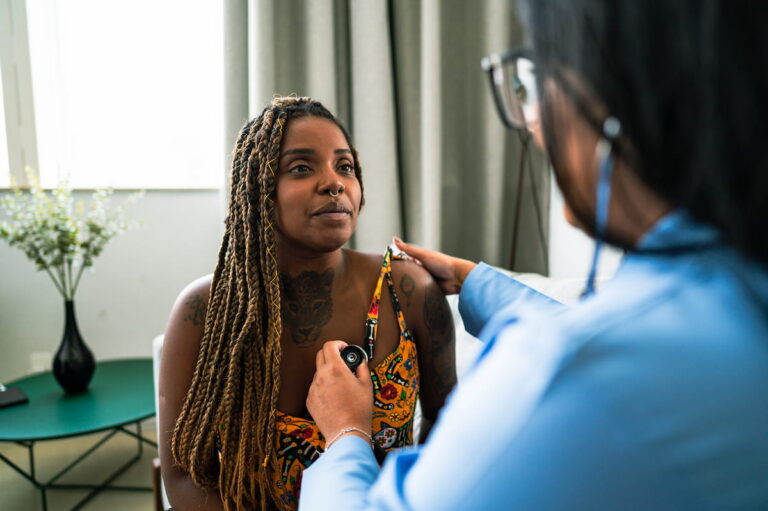
Living with a human immunodeficiency virus (HIV) diagnosis is a reality that many individuals in the Black community face. However, the narrative has transformed significantly over the past decade or two, thanks to groundbreaking medications known as antiretroviral therapy (ART) and increased understanding of the disease. Today, it is entirely possible for you to lead a long and healthy life as an HIV-positive individual, provided you commit to the right treatment and lifestyle choices.
Antiretroviral therapy keeps HIV from making copies of itself. For almost everyone who starts taking their HIV medication as prescribed, viral load will drop to an undetectable level in six months or less. Continuing to take HIV medications as directed is imperative to stay undetectable.
Taking antiretroviral therapy as prescribed to suppress the amount of HIV in the blood to levels that are undetectable with standard tests. A person is considered to have a “durably undetectable” HIV viral load if their viral load remains undetectable for at least six months after their first undetectable test result.
Taking ART is a pivotal step in managing HIV and preventing its progression to acquired immunodeficiency syndrome (AIDS). HIV targets the immune system’s CD4 cells, and when left unchecked, the virus can compromise the body’s ability to fend off infections.
Fortunately, ART has revolutionized the landscape. Initiating treatment swiftly, before the disease advances, allows many HIV-positive individuals to expect a lifespan comparable to those without HIV, according to the Centers for Disease Control and Prevention (CDC).
Treatment is a key factor. Without it, HIV can escalate to AIDS within a decade, and AIDS, in turn, may lead to death in about three years. Diligently following your ART regimen is crucial in managing the illness by slowing down the replication of the virus, thus significantly delaying the progression to AIDS.
Regardless of how long you’ve been HIV positive or how healthy you are, doctors recommend ART for everyone.
These medications can dramatically reduce the amount of HIV in the blood, lowering the viral load to the point where it becomes undetectable by current technology. This not only benefits your health but also reduces the risk of transmitting HIV to sexual partners.
For optimal results, adhere to your prescribed ART regimen every single day. Skipping doses can allow the virus to multiply, potentially leading to drug resistance and limiting your treatment options. It’s a commitment to your well-being that extends throughout your life.
RELATED: The HIV Test: Basic Facts You Need To Know
To ensure the effectiveness of your treatment, consider these tips:
1. Set Medication Reminders: Create a daily reminder, whether it’s marking a calendar, setting an alarm, or incorporating it into your routine.
2. Visible Storage: Keep your medications in a visible spot, ensuring they are easily accessible. Have a travel container for when you’re away from home.
3. Stay Organized: Manage your prescriptions diligently. Never run out, and anticipate potential disruptions due to holidays or weather conditions.
Remember, finding a plan that works for you is crucial to staying on track with your medicines.
Your commitment to a healthy lifestyle plays a significant role in preserving your well-being:
4. Combat Stress: Stress weakens the immune system. Prioritize sleep and incorporate stress-relieving practices like meditation or yoga into your routine.
5. Get Vaccinated: Regular vaccinations, especially for infections like pneumonia and the flu, are crucial for individuals living with HIV.
6. Practice Safer Sex: Protect yourself and others by practicing safer sex, preventing the spread of HIV and other sexually transmitted infections.
7. Take Care of Your Body: Quit smoking, exercise regularly, avoid alcohol and recreational drugs, and maintain a healthy diet. These lifestyle changes contribute to a stronger and healthier body.
In addition to maintaining an undetectable viral load, here are some other steps you can take to make sure you prevent HIV transmission to others:
8. Continue to use condoms: It’s important to not just use condoms, but use them correctly every time you have sex.
9. Talk to your partner: communication about how you’re feeling and what you’re going through is key to maintaining a healthy mind and body wiith HIV. Also, don’t forget to talk to your partner about taking PrEP.
10. Do not share drugs: If you inject drugs, do not share your needles, syringes, or other drug equipment with other people.
Yes, in addition to ART and HIV PrEP, HIV medicines are also used for post-exposure prophylaxis (PEP) and to prevent perinatal transmission of HIV.
Post-exposure prophylaxis (PEP)
PEP refers to taking a short course (28 days) of HIV medicines within 72 hours after a possible exposure to HIV to prevent HIV infection. PEP should be used only in emergency situations and it is not meant for regular use by people who may be exposed to HIV frequently. For more information, read the HIVinfo fact sheet on Post-Exposure Prophylaxis (PEP).
Prevention of perinatal transmission of HIV
Pregnant women with HIV take HIV medicines for their own health and to prevent perinatal transmission of HIV. After birth, babies receive HIV medicine to protect them from infection with any HIV that may have passed from mother to child during childbirth. For more information, read the HIVinfo fact sheet on Preventing Perinatal Transmission of HIV.
Your journey with HIV is one where empowerment and commitment to health are paramount. By embracing the available resources and making informed choices, you can navigate this path with resilience and strength, ensuring a fulfilling and healthy life.


By subscribing, you consent to receive emails from BlackDoctor.com. You may unsubscribe at any time. Privacy Policy & Terms of Service.