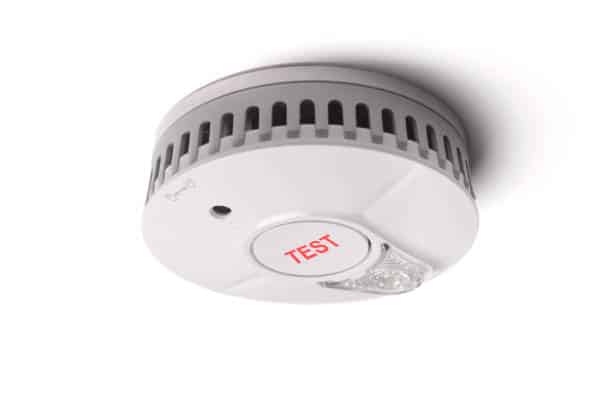
Setting your clocks back an hour should also serve as a reminder to replace the batteries in your smoke detectors and carbon monoxide alarms, according to the U.S. Consumer Product Safety Commission (CPSC).
Working alarms are especially important because people are spending more time at home due to the pandemic, which means furnaces, fireplaces and other fuel-burning appliances are being used more often.
It’s also important to create a fire escape plan that includes two ways out of every room and to practice the plan.
Each year from 2016 through 2018, there was an average of 362,000 unintentional residential fires, resulting in about 2,400 deaths, 10,400 injuries and $7 billion in property losses, according to the CPSC.
Checking most detectors involves lifting, twisting, or removing the cover. In some cases, the actual alarm will come off from the base with the cover. It is a good idea to change the batteries even if the alarm hasn’t been chirping.
Most alarms require 9-volt batteries.
After replacing the batteries in your alarms, check them every month to make sure they are working. Or you could install alarms with 10-year sealed batteries that don’t need replacing for a decade, the CPSC suggests in a news release. You should also click the test button to make sure the alarm is working correctly. If it is, it should make a beeping or chirping sound.
RELATED: 9 Common Household Items You Didn’t Know Expired
You should replace your smoke detector if it didn’t pass the test after replacing batteries or it is five to ten years old.
Carbon monoxide (CO) is called an invisible killer because you can’t see or smell it. Each year in the United States, more than 400 people die of CO poisoning, according to the U.S. Centers for Disease Control and Prevention.
CO poisoning can be caused by portable generators, home heating systems and other fuel-burning appliances. Most CO deaths occur in the colder months of the year, from November through February
Besides keeping your detector up to date, here are 7 tips to avoid CO poisoning:
1. Fuel-burning appliances: Forced-air furnaces and all fuel-burning appliances (e.g., gas water heaters, gas stoves, gas clothes dryers) should be checked professionally once a year. You should also avoid using gas cooking stovetops and ovens for supplemental heat.
2. Fireplaces & woodstoves: In addition to getting your fireplace checked one a year, you should check to make sure the flue is open during operation.
3. Space heaters: Fuel-burning space heaters should be checked once a year professionally and properly vented during use, according to the manufacturer’s specifications.
4. Automobiles & other motor vehicles: Many states have vehicle inspection programs to ensure that you are regularly inspecting and keeping up with the maintenance of your vehicle exhaust system. Also, remember to never leave an automobile running in the garage or other enclosed spaces because CO can build up in a home even when a garage door is open.
5. Generators & other fuel-powered equipment: You should follow the manufacturer’s guidelines when operating generators and other fuel-powered equipment. If your power goes out, you should keep the generator outside at least 20 feet from your house. Portable backup generators produce CO.
6. Barbecue grills & hibachis: Barbecue grills or hibachis should never be used indoors or in poorly ventilated spaces such as garages, campers, and tents.
7. Boats: CO poisoning can mimic symptoms of seasickness so it is important that you schedule regular engine and exhaust system maintenance on your boat. You should also consider installing a CO detector in the accommodation space on the boat and never swim under the back deck or swim platform because CO can build up near exhaust vents.
RELATED: 6 Things In Your Home That Can Cause Cancer
Be aware of the symptoms of CO poisoning:
If you experience any of these symptoms, you should call 911 or seek emergency medical help right away.
RELATED: The 10 Unhealthiest Places In Your Home
Once you’re at the hospital, your treatment may involve:


By subscribing, you consent to receive emails from BlackDoctor.com. You may unsubscribe at any time. Privacy Policy & Terms of Service.