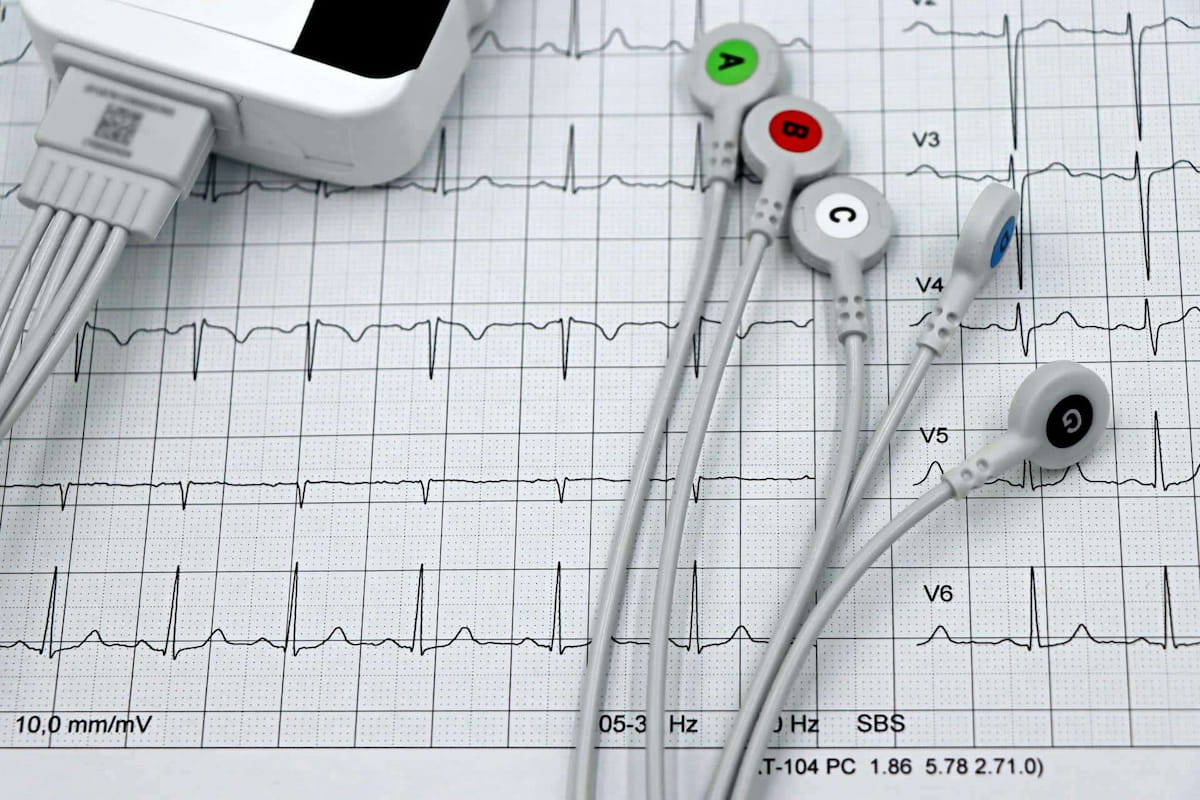
When your doctor sits you down to explain that your cholesterol levels are high, your mind might ask: What does this mean for my health? How did this happen? What even is cholesterol, anyway? It’s a lot to process, but understanding the basics can make it easier to take action.
Cholesterol is a waxy, fat-like substance found in every cell of your body. It plays several essential roles, such as helping your body produce hormones, vitamin D, and bile acids that aid in digesting fats. In short, cholesterol is not inherently bad—it’s actually vital for your body to function properly.
Your liver naturally produces all the cholesterol your body needs. The problem arises when your diet introduces excess cholesterol, particularly the “bad” kind, which can lead to health complications over time.
Excess cholesterol, particularly low-density lipoprotein (LDL), can build up in your arteries, forming plaques. Over time, these plaques can narrow or block your blood vessels, increasing your risk of heart disease, stroke, and other cardiovascular issues.
On the other hand, high-density lipoprotein (HDL) is the “good” cholesterol. It helps remove LDL from your bloodstream, reducing the risk of blockages.
While your body produces cholesterol naturally, certain foods can contribute to elevated levels, particularly those high in saturated fats, trans fats, and dietary cholesterol. Common culprits include:
These foods, when consumed in excess, don’t just affect your cholesterol levels—they can also lead to weight gain, inflammation, and other health complications. Moderation and balance are key.
RELATED: 7 Easy Ways To Keep Your Cholesterol In Check
If you’ve been diagnosed with high cholesterol or simply want to keep your levels in check, there are several natural strategies you can adopt. These lifestyle changes can help lower LDL cholesterol and improve your overall health.

Smoking is a major contributor to heart disease, and it negatively impacts cholesterol levels. Quitting can lead to significant improvements:
The benefits extend beyond cholesterol control, making quitting one of the most impactful changes you can make for your health.
RELATED: Good vs. Bad Cholesterol: 4 Types to Watch to Avoid Heart Problems

Excessive alcohol consumption can elevate cholesterol levels and lead to serious health problems, including high blood pressure, heart failure, and stroke.
The key is moderation:
Moderate alcohol consumption, particularly red wine, has been associated with increased HDL cholesterol, but the risks of overconsumption far outweigh the benefits.

Physical activity has a powerful effect on cholesterol levels. Exercise can:
How to Get Started:
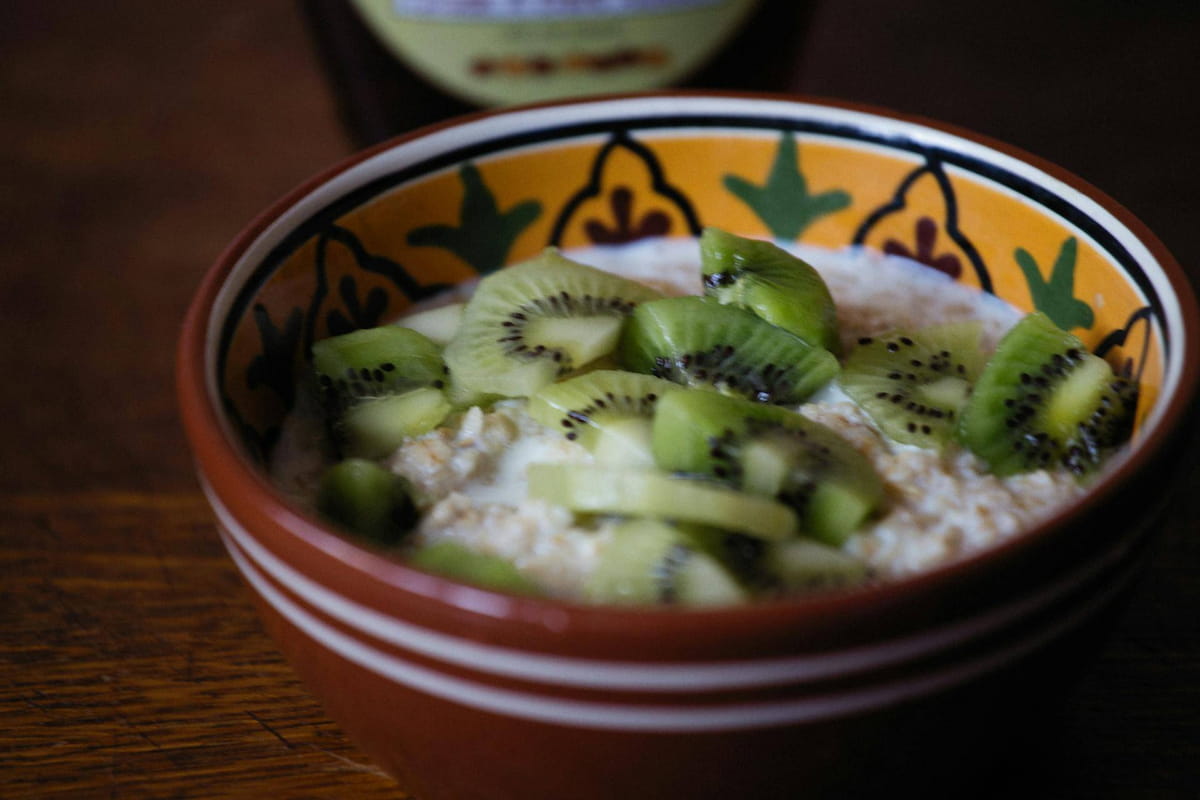
Soluble fiber reduces the absorption of cholesterol into your bloodstream. Foods high in soluble fiber include:
Adding more of these foods to your diet can make a significant difference in your cholesterol levels.
RELATED: 7 Ways To Lower Your Cholesterol Every Time You Eat

Saturated fats, commonly found in red meat and full-fat dairy products, raise LDL cholesterol. By cutting back on these foods, you can help lower your overall cholesterol levels.
Healthier Alternatives:
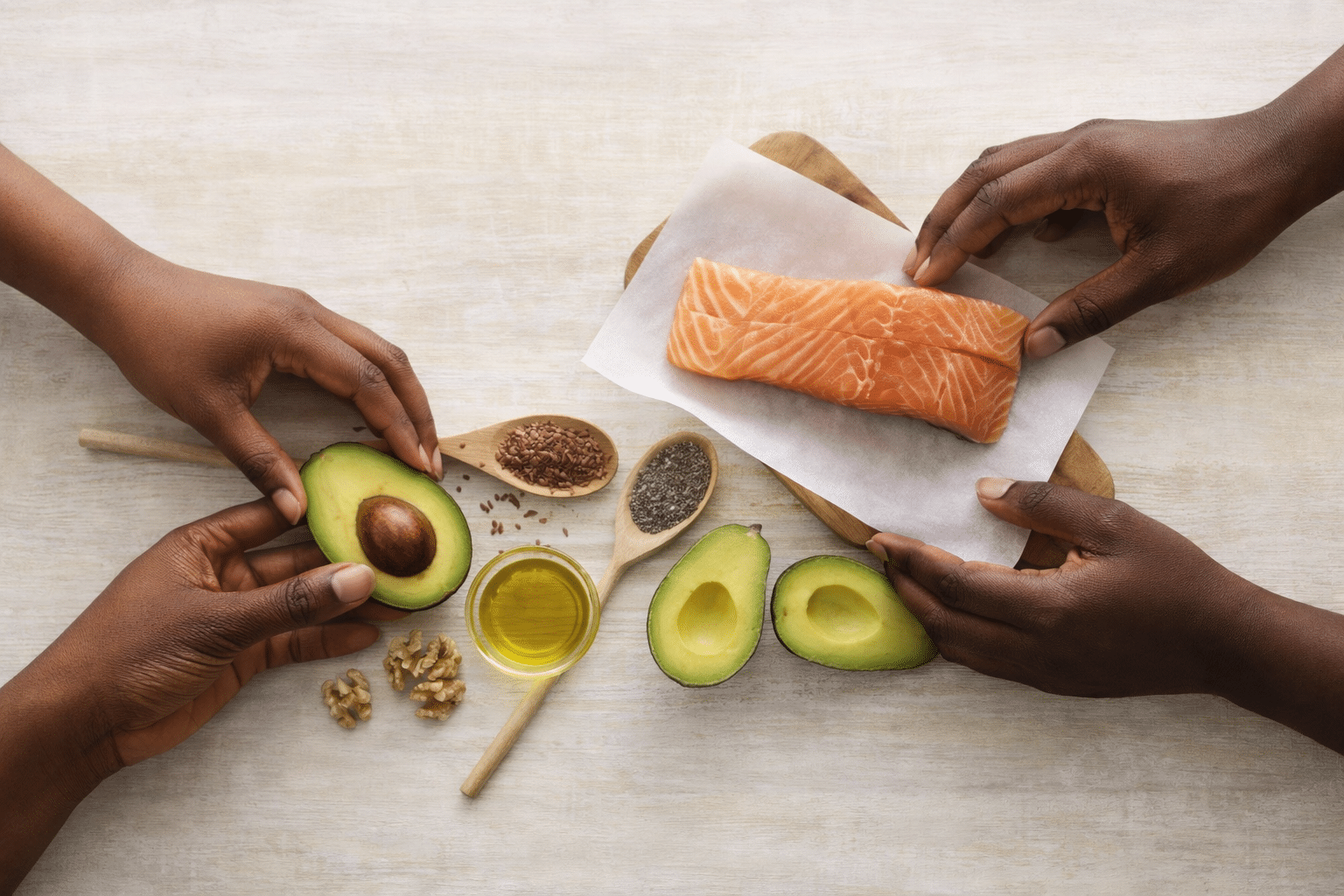
Omega-3 fatty acids don’t directly lower LDL cholesterol, but they offer several other heart-healthy benefits, such as reducing blood pressure and inflammation.
Sources of Omega-3s:
Including these foods in your diet can complement other cholesterol-lowering strategies.

Trans fats are a double threat: they increase LDL cholesterol while decreasing HDL cholesterol. Although the FDA banned trans fats in 2018, some processed foods may still contain trace amounts due to certain manufacturing practices.
Check Labels For:
To minimize trans fat consumption, focus on whole, unprocessed foods whenever possible.
RELATED: 5 Truths About Cholesterol Most Black People Don’t Know…
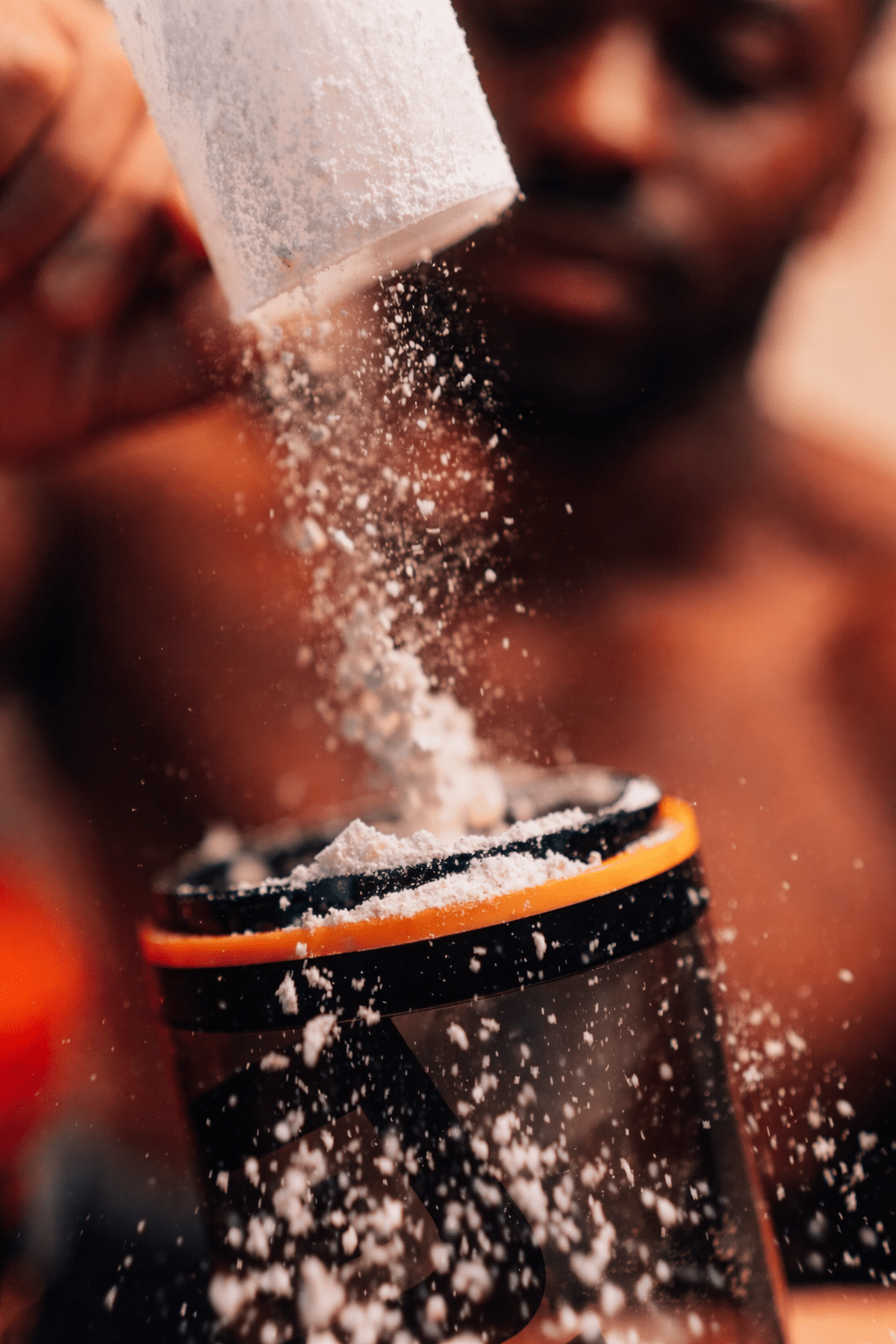
Whey protein, a byproduct of dairy, has been shown to lower LDL cholesterol and total cholesterol while also reducing blood pressure. It can be consumed as a supplement or through foods like yogurt and other dairy products.
How to Incorporate Whey Protein:
Whey protein is an easy addition to your diet and offers a host of other nutritional benefits.
Managing cholesterol doesn’t have to mean overhauling your life overnight. Small, consistent changes—like eating more fiber-rich foods, exercising regularly, and cutting back on saturated fats—can add up to big improvements over time.
Remember, cholesterol levels are just one part of the bigger picture of your health. Regular check-ups, a balanced diet, and an active lifestyle can help keep your heart strong and your body thriving. Take charge of your health today, and enjoy the rewards of a healthier tomorrow.


By subscribing, you consent to receive emails from BlackDoctor.com. You may unsubscribe at any time. Privacy Policy & Terms of Service.