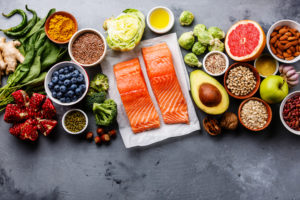
What is clean eating? As a registered dietitian nutritionist, I’m often asked that question. Although the notion of clean eating has been trending for some time, there is no ‘official’ definition of clean eating. However, when I think of clean eating, I think Sankofa—the African word and symbol that translates as ‘to go back and take.’
The symbol of a bird arching its neck to take an egg from its back symbolizes one taking from the past what is good and bringing it into the present. That is what clean eating is. Promoting positive progress in health by reaching back to a time when we ate more wholesome, minimally processed foods. Simply put, it is eating more food from the earth and less food from a box, bag, can, or package.
The African Heritage Diet Pyramid is a great example of clean eating. It’s based on the healthy traditional diet of our African American ancestors. The pyramid is filled with fresh vegetables, fruits, whole grains and cereal, beans, fresh herbs and spices, peanuts and nuts, and tubers like sweet potatoes. These are the foods we should shop for, prepare, and eat most often.
Here are a few tips to help you clean up your diet.
Make half your plate fruits and vegetables: Choose red, orange, and
dark-green fresh vegetables like tomatoes, sweet potatoes, and broccoli, along with other vegetables for your meals. Add fresh fruit to meals as part of main or side dishes or as dessert. The more colorful you make your plate, the more likely you are to get the vitamins, minerals, and fiber your body needs to be healthy.
Make half the grains you eat whole grains such: Brown rice, buckwheat, bulgur, oatmeal, wild rice, and whole wheat bread are whole grains. Check the ingredient list on grain product labels. For whole-grain products, you will see the words, “whole” or “whole-grain” before the grain ingredient’s name. It should be the first ingredient. Whole grains are a source of nutrients, such as dietary fiber, iron, folate, magnesium, B vitamins and vitamin A.
Switch to fat-free or low-fat (1%) milk: Both have the same amount of calcium and other essential nutrients as whole milk, but fewer calories and less saturated fat. The dairy group contributes many nutrients, including calcium, magnesium, vitamin A, riboflavin, vitamin B12, and protein.
Choose a variety of lean protein foods: Meat, poultry, seafood, dry beans or peas, eggs, nuts, and seeds are considered part of the protein foods group. Select leaner cuts of ground beef (where the label says 90% lean or higher), turkey breast, or chicken breast. Protein foods are important sources of nutrients in addition to protein, including B vitamins, vitamin D, and vitamin E.
Eat some seafood: Seafood includes fish (such as salmon, tuna, and
trout) and shellfish (such as crab, mussels, and oysters). Seafood has protein, minerals, and heart-healthy omega-3 fatty acids. Adults should try to eat at least eight ounces a week of a variety of seafood. Children can eat smaller amounts of seafood, too. Seafood also provides the most vitamin B12 and vitamin D.
Limit your sodium. Eating less food from a box, bag, can, or package will reduce your sodium intake considerably. If you choose to use salt opt for sea salt or kosher salt—teaspoon for teaspoon they have less sodium compared to table salt. Boost flavor with coconut, curries, fresh lemon, garlic, herbs, onions, and peppers.
Drink water instead of sugary drinks: Cut calories by drinking water or unsweetened beverages. Soda, energy drinks, and sports drinks are a major source of added sugar and calories in American diets. Try adding a slice of lemon, lime, or watermelon or a splash of 100% juice to your glass of water if you want some flavor.
Eat sweets less often. Clean eating does not mean you have to forgo dessert. Make cakes, cookies, and pies from scratch with wholesome ingredients and limit to once a week or at a special meal.

Constance Brown-Riggs, is a registered dietitian, certified diabetes educator, national speaker and author of the Diabetes Guide to Enjoying Foods of the World, a convenient guide to help people with diabetes enjoy all the flavors of the world while still following a healthy meal plan. Follow Constance on social media @eatingsoulfully


By subscribing, you consent to receive emails from BlackDoctor.com. You may unsubscribe at any time. Privacy Policy & Terms of Service.