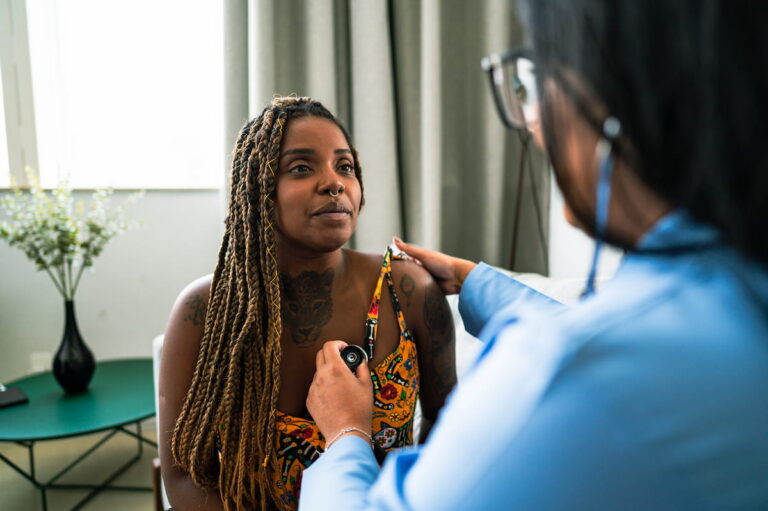
There’s a good chance you have more than a third of your life ahead of you after menopause.
Why? African American women are living long lives.
And it’s more important than ever to take an active role in protecting your health post-menopause. It’s especially vital since some conditions, like cardiovascular disease and osteoporosis, are more likely to occur during this time.
A drop in levels of estrogen and other hormones during menopause, unhealthy lifestyle habits and mid-life stress can all add up to an increased risk of disease in women post-menopause.
And since menopause is a life transition, it’s an excellent time to take stock of your overall health.
Making smart lifestyle decisions can help prevent or delay the onset of many of these problems, including complications due to cardiovascular disease and osteoporosis.
Smoking greatly increases your risk of lung cancer, heart disease, and stroke.
Compared with nonsmokers, women who smoke experience menopause about 2 years sooner and have a much greater risk of developing blood clots when taking estrogens.
Smokers are urged to quit before starting hormone therapy. Ask your healthcare professional about modern tools to help you quit smoking.
Regular exercise benefits the heart and bones, helps you maintain a healthy weight, and may help promote weight loss in women who are overweight or obese.
Walking is one of the best forms of exercise.
Eating wisely also helps maintain good postmenopausal health.
Eating a variety of foods from the major food groups provides most of the nutrients you need to stay healthy.
Foods rich in calcium and vitamin D help you maintain strong bones.
According to the National Osteoporosis Foundation, the recommended daily intake of calcium is 1200 to 1500 mg/day, to be accompanied by the daily intake of 600 to 1000 IU of Vitamin D.
Limiting fat, sugar, and alcohol consumption can contribute to postmenopausal weight loss or help you maintain a healthy weight as well.
Your healthcare professional can check your cholesterol level and advise you about dietary changes that could curb heart disease. Don’t forget to drink plenty of water.
Many pregnancies in women over 40 are not planned.
It’s dangerous to assume that you won’t get pregnant until you’ve gone at least a year without a period.
And menopause does not protect you against sexually transmitted diseases. If you don’t use male or female condoms, you are not protected from disease.
See your healthcare professional regularly. Your healthcare professional performs routine screening tests, such as checking for high blood pressure or cholesterol, examining your breasts for breast cancer, and performing a Pap smear to check for cervical cancer.
After age 50, you should also be checked for colon cancer. You can work with your healthcare professional to prevent or manage diseases.
Staying physically and mentally active is good for your overall postmenopausal health and well-being.
Regular physical activity like exercise offers women many benefits such as the ability to handle stress more effectively and maintain a healthy weight.
Staying mentally active also offers many benefits to postmenopausal women. Engaging in a regular mental activity such as reading or taking classes can help build new neural connections in the brain and could potentially stimulate brain cell growth, which may help keep you mentally sharp and reduce memory loss.
Use this new stage of your life to explore new opportunities, indulge in your hobbies, and enjoy yourself!
It’s believed that estrogen provides some protection against heart disease in young women.
But menopause changes the game. After age 55, more than half of all deaths among American women are caused by cardiovascular disease. Some risk factors are out of your control — others you can manage.
Here’s what you can do to lower your risk:
Osteoporosis causes bones to become weak and brittle.
Since estrogen helps contribute to bone strength in younger women, the risk of developing osteoporosis increases post-menopause. The hips, spine, and wrists are most at risk of fracture due to osteoporosis.
A bone mineral density test can help evaluate your bone strength. Ask your doctor if this test is right for you.
Here’s what else you can do to keep your bones strong:
The risk of developing type 2 diabetes increases with age, so menopause is a good time to make sure that you’re doing your best to control your blood sugar.
When your body is unable to process glucose effectively due to diabetes, sugar builds up in the blood, creating a host of health issues, including vision and kidney problems. This can also contribute to cardiovascular disease.
Here’s how you can manage or prevent diabetes:
Certain cancers, like breast cancer, are more likely to strike women in their post-menopause years.
Be vigilant about getting mammograms and any other cancer screenings your doctor recommends.
Urinary problems such as bladder infections or urine leakage often plague older women. Don’t suffer in silence — your doctor can figure out what’s causing your problems and put together an effective treatment plan.
Menopause is a time of new beginnings. Making sure your health is at its best can help make the transition an exciting and fulfilling one.


By subscribing, you consent to receive emails from BlackDoctor.com. You may unsubscribe at any time. Privacy Policy & Terms of Service.