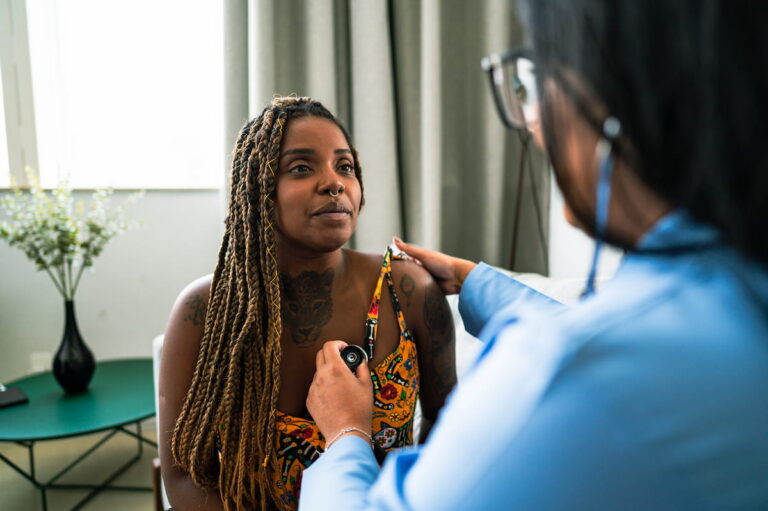
You reach a major life milestone when you enter your forties, a critical age when certain health exams become essential. Because Black males have a higher risk of certain diseases, these examinations are very important. Preventing and controlling possible concerns may be greatly improved with proactive health management and regular check-ups.
Blood Pressure Screening
The “silent killer” moniker is apt for hypertension or high blood pressure, as the condition never causes any noticeable symptoms despite its potential to create major health problems. Hypertension is more common among Black males; thus, it’s important to check their blood pressure often.
What to Expect: During screening, your doctor will use a blood pressure cuff to measure the force of blood against your artery walls. A reading of 120/80 mm Hg or lower is considered normal.
Frequency: You should check your blood pressure at least once a year or more frequently if you have a history of high readings.
Cholesterol Panel
A cholesterol panel measures triglyceride, good cholesterol (HDL), bad cholesterol (LDL) levels, and other cholesterol types. High cholesterol levels can cause atherosclerosis, which can increase the risk of cardiovascular disease and stroke.
Featured on BlackDoctor
What to Expect: This test requires a blood sample, usually taken after fasting for nine to 12 hours. Your doctor will evaluate your levels and recommend lifestyle changes or medication if necessary.
Frequency: Get your cholesterol checked every four to six years, or more often if you have risk factors like diabetes, a family history of heart disease, or previous high cholesterol levels.
Black men have a disproportionately greater risk of prostate cancer, which is a major health issue for all men. One way to diagnose prostate cancer or any disease affecting the prostate is using a PSA blood test, which measures the amount of prostate-specific antigen.
What to Expect: The PSA test is a simple blood test. Elevated PSA levels don’t always mean cancer, so further testing may be required if levels are high.
Frequency: Discuss with your doctor about starting PSA testing in your early 40s, especially if you have a family history of prostate cancer. Regular testing may be recommended depending on your risk factors.
Diabetes Screening
Early detection is key for managing and preventing complications from type 2 diabetes, which is more common in Black males. Finding out if your blood sugar levels are within a safe range may be done with an A1C test or a fasting blood glucose test.
What to Expect: The fasting blood glucose test requires fasting for at least eight hours, while the A1C test measures your average blood sugar levels over the past two to three months. Both tests involve a simple blood draw.
Frequency: If you’re overweight, have high blood pressure, or have a family history of diabetes, you should be screened annually. Otherwise, screening every three years may be sufficient.
Black males also have an increased risk of developing colorectal cancer at an earlier age. A colonoscopy is the gold standard for finding curable colon cancer at an early stage.
What to Expect: During a colonoscopy, a long, flexible tube with a camera is inserted into the rectum to examine the entire colon. The procedure is done under sedation, so you won’t feel discomfort.
Frequency: The American Cancer Society recommends starting colonoscopy screenings at age 45, but earlier screenings may be advised if you have a family history of colorectal cancer or other risk factors. The test should be repeated every 10 years if the results are normal.
BlackDoctor is the world’s largest and most comprehensive online health resource specifically for the Black community. BlackDoctor understands that the uniqueness of Black culture - our heritage and our traditions - plays a role in our health. BlackDoctor gives you access to innovative new approaches to the health information you need in everyday language so you can break through the disparities, gain control and live your life to its fullest.
✦ AI Search Disclaimer This AI-powered search tool helps you find relevant health articles from the BlackDoctor.org archive. Please keep the following in mind:
✦ For Informational Purposes Only The information provided through this AI search is for general educational and informational purposes only. It is not intended as a substitute for professional medical advice, diagnosis, or treatment.
✦ Always Consult a Healthcare Provider Never disregard professional medical advice or delay seeking it because of something you have read through this search tool. If you have a medical emergency, call your doctor or 911 immediately.
✦ AI Limitations This search tool uses artificial intelligence to help match your queries with articles in our archive. While we strive for accuracy, AI-generated results may occasionally be incomplete, outdated, or not fully relevant to your specific situation.
✦ No Doctor-Patient Relationship Using this search tool does not create a doctor-patient relationship between you and BlackDoctor.org or any healthcare provider.
Explore over 35,000 articles and videos across black health, wellness, lifestyle and culture