
There are currently over 1.2 million people in the United States who have HIV, 40 percent of them (489,200) being Black, according to KFF. For many individuals living with HIV, the requirement to take medication every day is something they have to do for the rest of their lives. Even though current antiretroviral treatments have changed HIV from a fatal illness into a chronic condition that can be managed, the daily routine can still be problematic. Difficulties such as busy schedules, traveling, medication fatigue, stigma, and the need to manage several different prescriptions can all make it harder to adhere to treatment.
Researchers now claim that a new experimental pill, which is taken once a week, could make HIV treatment much more convenient without having to give up its effectiveness. Should future studies keep on showing positive results and the medicine is given regulatory approval, it could provide people who have HIV with another form of treatment that lessens the need for taking pills every day and at the same time helps them keep the virus under control.
This experimental pill is as effective as one of today’s leading HIV therapies, researchers reported in The New England Journal of Medicine.
“The first ever weekly oral therapy for the treatment of HIV could offer welcome relief from the burden of lifelong daily pill-taking for people living with HIV,” senior researcher Chloe Orkin, dean for healthcare transformation at Queen Mary University of London, said in a news release.
People with HIV need to take daily medication to keep the retrovirus suppressed, researchers said.
It can be difficult to adhere to such a strict drug schedule, and even a small slip risks a resurgence of HIV, researchers said.
The new pill combines two long-acting antiretroviral medicines, islatravir and lenacapavir. These drugs work in tandem to enable effective once-weekly dosing, researchers said.
To test it, researchers recruited more than 600 adults across 106 clinical sites in 12 countries. Participants were randomly assigned to take either the new pill or stay on their existing HIV medication.
RELATED: The First Twice-Yearly Tool to Prevent HIV Holds Promise for Black & Brown Communities
After 48 weeks, the once-weekly pill proved just as effective as the standard once-a-day treatment. More than 93 percent of patients in both groups remained suppressed, and no weekly pill patients experienced a rising viral load during the study.
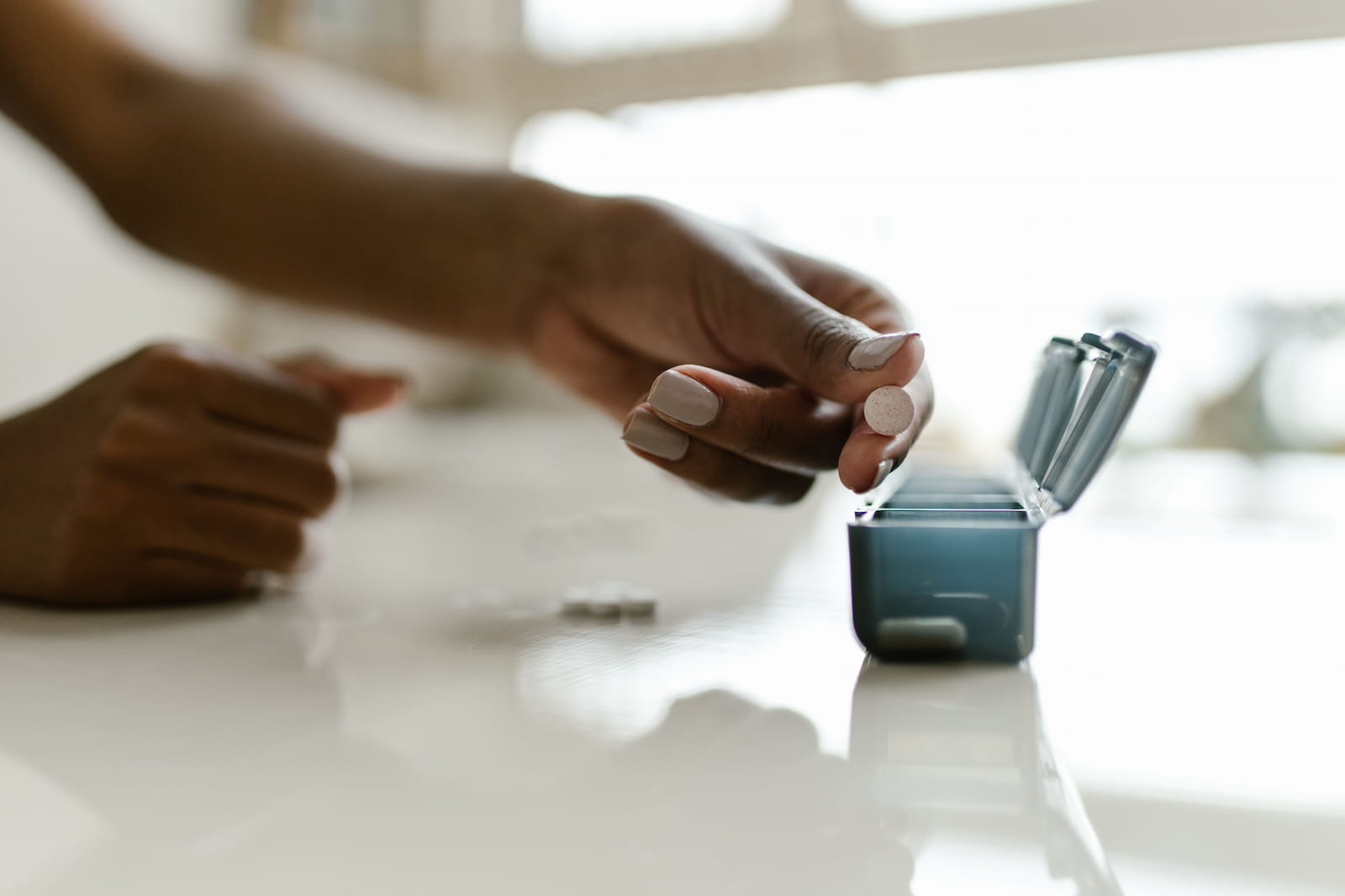
This once-weekly pill could provide greater flexibility for patients while avoiding the need for injectable drugs, researchers said.
“This is especially important for people that are experiencing stigma and people with other HIV-associated health conditions who are taking multiple other tablets,” Orkin said.
An HIV medication taken once a week could have particular significance for Black Americans, since they still bear a larger than proportionate share of the country’s HIV epidemic.
The KFF states that even though Black people constitute around 12 percent of the U.S. population, they represent 39 percent of all new HIV diagnoses, 40 percent of those living with HIV, and 43 percent of the deaths among people with HIV; within the Black community, the impact is even greater on Black women, Black young people, and Black gay and bisexual men.
Experts believe that these inequalities are caused by factors beyond just individual behavior. Continuous obstacles—such as limited access to good healthcare, a higher level of poverty, stigma and discrimination, housing instability, and less awareness of one’s HIV status—still make it more difficult for many people to prevent the disease and to receive long-term treatment.
Which is why things like a pill taken once a week could be of great importance. Although the medication would not remove these systemic barriers, it could make it easier for people who have difficulty meeting the demands of taking medication every day to remain on treatment. It might also help reduce treatment fatigue and provide better privacy for those who are concerned about HIV-related stigma.
There are promising signs that advances are taking place. The latest figures indicate that the number of new HIV cases among Black Americans has dropped as a whole—especially among Black women—and has now stabilized among Black gay and bisexual men. That said, Black communities still bear the highest burden of HIV in the United States, which shows that there remains a need for ongoing investment in prevention, testing, equitable access to care, and in new treatment options that suit people’s lives.
If it is approved, a weekly oral therapy could become another valuable means of improving treatment adherence and broadening the options available to the communities most affected by HIV.
The clinical trial remains ongoing. Researchers will continue to follow participants for 96 weeks total to assess longer-term safety and effectiveness.
The trial is funded by the new pill’s developers, Gilead Sciences and Merck Sharp & Dohme.
HIV treatment has gradually become more flexible and offered greater choice, progressing from pills taken every day to long-acting injections. The next important development might be a once-weekly oral medication, since it would provide the convenience that many patients have been looking for without compromising the high level of viral suppression which is responsible for the success of current HIV treatment.
Even though more research and regulatory examination are still required before the drug can be made widely available, the early results indicate that the future of HIV treatment might be one in which effective therapy involves taking just one pill once a week rather than once every day.



By subscribing, you consent to receive emails from BlackDoctor.com. You may unsubscribe at any time. Privacy Policy & Terms of Service.
Enter your name and email to receive the download link.