We all juggle so many daily responsibilities – whether it’s navigating a career, caring for children or attending school – that it’s often hard to focus on your own health, let alone the health of your loved ones. However, family members can potentially play an important role in both ensuring their loved ones get an appropriate diagnosis and supporting continued care. For Randy, a retired professor of Modern Languages, his daughter and wife may have saved his life by ultimately helping him get the diagnosis and care he needed and helping to manage his condition and overall well-being.
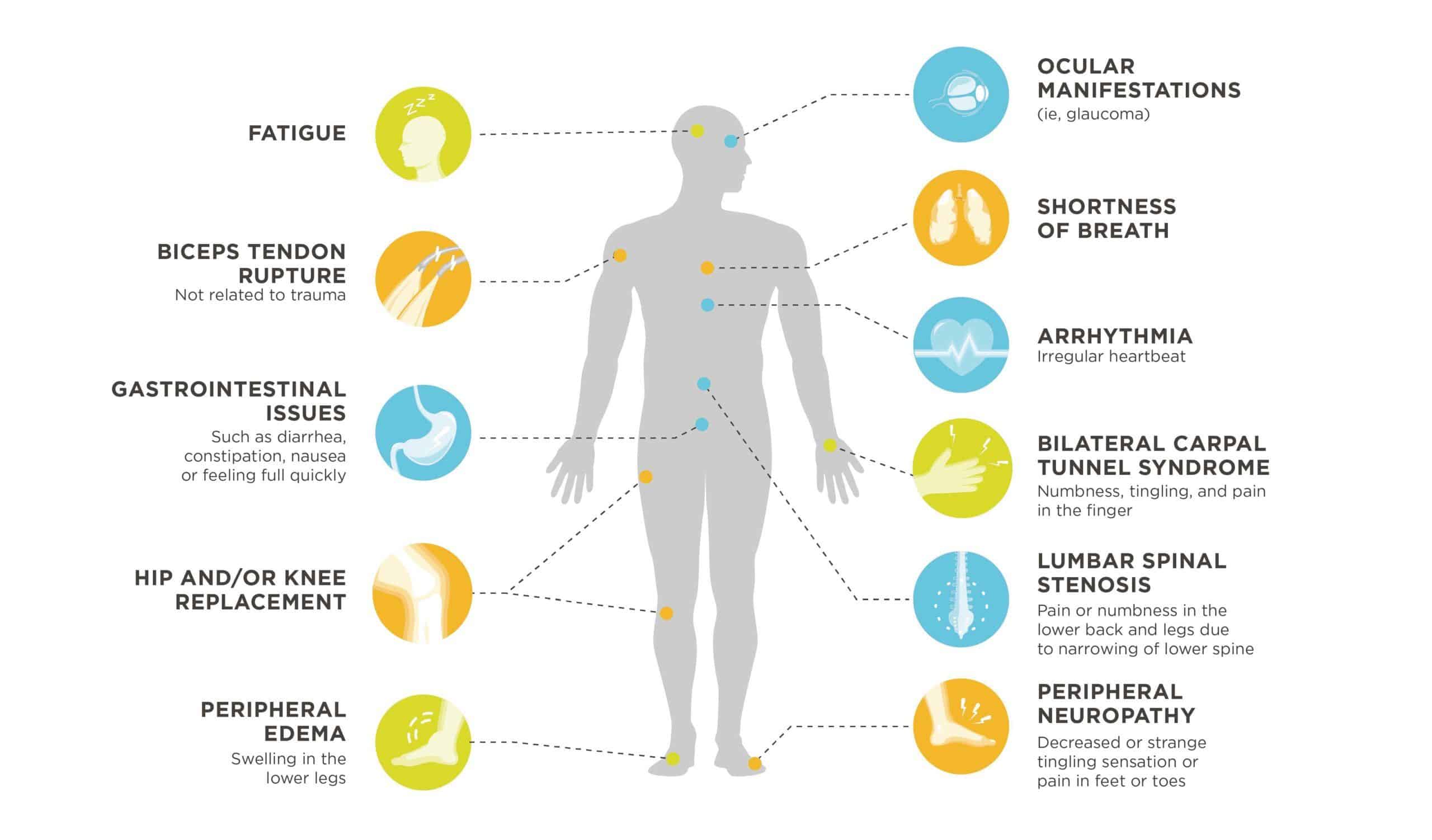
Starting in 2004, Randy started noticing various (seemingly unrelated) issues with his health. Initially, he was diagnosed with carpal tunnel syndrome, which he assumed to be related to his profession, since he was often typing and writing. He then noticed tingling in his extremities, lack of stamina during routine jogs, and shortness of breath that got progressively worse over time – however, Randy associated most of these symptoms with getting older. One day while climbing the stairs at his daughter’s townhouse, Randy’s daughter noticed that he was having a lot of difficulty. She knew something was wrong, and it wasn’t just her dad getting older. She rushed him to the ER immediately. After receiving multiple diagnostic tests, Randy learned that he had congestive heart failure, and the walls of his heart were stiff. A genetic test then confirmed his diagnosis of hereditary transthyretin amyloid cardiomyopathy (ATTR-CM), nearly 15 years after the onset of his symptoms. ATTR-CM is a rare and life-threatening disease that is often misdiagnosed because its symptoms are similar to those of heart failure or may even seem completely unrelated to a heart condition.1,2,3
While Randy’s daughter took action that helped him finally reach a diagnosis, his wife, Priscilla, who has been his caregiver since he was diagnosed with ATTR-CM, is critical to helping Randy maintain his health.
“One of the most important things that Priscilla does for me as my caregiver is that she insists I take my medication on time. I tend to be more relaxed when it comes to my treatment, but she keeps me on a routine,” says Randy. Not only does Priscilla monitor Randy’s medication, but she also monitors what he’s eating to ensure that he stays as healthy as possible. “One of my main jobs is cooking the food we eat. We now have to be very careful that he doesn’t have too much salt in his diet.”

When a loved one has been diagnosed with a life-threatening condition it can be overwhelming, and caring for that person can feel like a full-time job. Following Randy’s diagnosis, Priscilla quickly realized that their daily lives would be changed drastically. “When he was first diagnosed, I was surprised because he had always been very healthy. Overall, I would say my reaction was shock.” Quickly following the diagnosis, Priscilla started to pick up even more responsibility around their house, in addition to helping Randy manage his ATTR-CM. “Randy can’t do as much as before; we had to change our lifestyle,” she said.
When asked what advice Priscilla had for other caregivers of ATTR-CM patients, she mentioned, “It is critical to get as much information as you can, and really do your research.” Randy and Priscilla are advocates for bringing attention to this condition, as they believe there is not nearly enough education and awareness surrounding ATTR-CM. Priscilla said, “People should know about this condition, so they can monitor and be aware moving forward.” Randy added, “Once we got the diagnosis, our cardiologist was the main source of information, however, even the doctor had limited information. There needs to be a lot more done to publicize the symptoms of this disease, so people can be more aware and get tested early.”
It is important for caregivers of heart failure patients to educate themselves on ATTR-CM and advocate for their loved ones – even when symptoms may not seem relevant to heart failure – in order to reach an accurate and timely diagnosis. If you have heart failure, or are a caregiver of a heart failure patient, and the symptoms of ATTR-CM sound familiar, talk to your cardiologist, and check out www.YourHeartsMessage.com to learn more about this condition.
1 Sipe JD, Benson MD, Buxbauym JN, et al. Amyloid fibril proteins and amyloidosis: chemical identification and clinical classification. Amyloid. 2016;23(4): 209-213
2 Connors LH, Sam F, Skinner M, et al. Heart failure due to age-related cardiac amyloid disease associated with wild-type transthyretin: a prospective, observational cohort study. Circulation. 2016;133(3):282-290.
3 Maurer MS, Elliott P, Comenzo R, Semigran M, Rapezzi C. Addressing common questions encountered in the diagnosis and management of cardiac amyloidosis. Circulation. 2017;135(14):1357-1377


By subscribing, you consent to receive emails from BlackDoctor.com. You may unsubscribe at any time. Privacy Policy & Terms of Service.