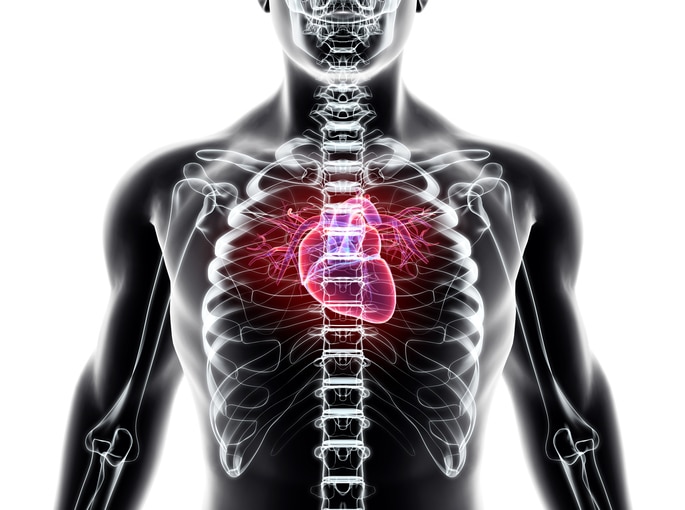
When your heart starts beating fast or if it “feels funny,” or really just about anything related to the heart can be scary.
Here’s the short answer: Afib stands for atrial fibrillation, which is basically an irregular heartbeat, or arrhythmia. On the other hand, supraventricular tachycardia (SVT) stands for rapid heart rate, like in a panic attack.
There have been an increased number of panic attacks and things that resemble panic attacks during the 2020 pandemic.
Despite what you might think, Afib and panic attacks are very different. For instance, a heart can beat quickly but not irregularly. Likewise, a heart can beat irregularly but not quickly.
According the American Heart Association, a heart rate of more than 100 beats per minute (BPM) in adults is called tachycardia. What’s too fast for you may depend on your age and physical condition.
A single panic attack can last a few minutes or an hour. A type of arrhythmia called supraventricular tachycardia (SVT) can make your heart beat as much as 150 to 250 times a minute. This is the heart arrhythmia most likely to be mistaken for a panic attack. An episode of SVT can last 5 seconds or until your doctor does something to stop it.
Blacks with atrial fibrillation (AFib) have nearly double the risk than their white counterparts of stroke, heart failure, coronary heart disease (CHD) and mortality from all causes, according to a study published in JAMA Cardiology.
When afib strikes, here’s how some patients describe it:
“It feels like my heart is skipping a beat hundreds of times per day. I can feel my heart beating against my chest wall- especially when I’m bending down. Sometimes it makes me feel lightheaded.”
If you notice your heart “skipping beats”, then it may or may not be something serious. The best way to know for sure is to have a doctor use an electrocardiogram (ECG).
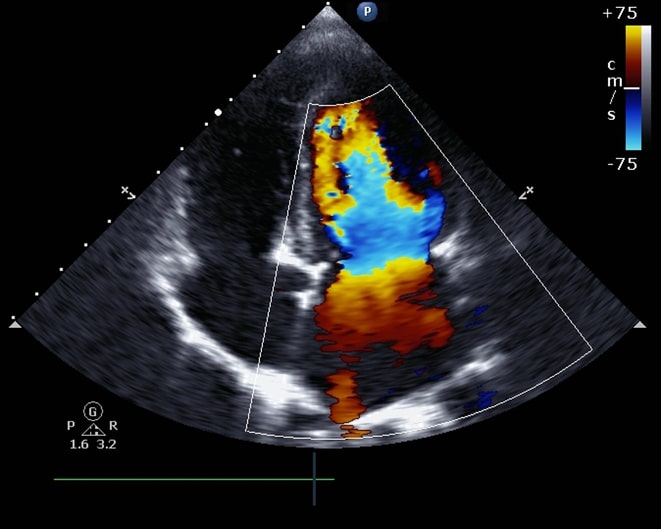
This device measures electrical activity in the heart. If there’s a problem with your heartbeat, they’ll see it.
Now, let’s talk about SVT.
For some people, SVT brought on by stress. But in others, it could be an early sign of heart failure. SVT can be a bit more dangerous that Afib because they can lead to ventricular fibrillation, which is a medical emergency.
Symptoms of SVT include a pulsating feeling in the chest, a pounding pulse, and dizziness.
While AFib is the most common heart rhythm problem in the U.S. It affects approximately 1 percent of the adult population and more than 5 percent of those 65 years old and older. It also is known to be strongly associated with increased risks of stroke, heart failure and mortality. So no matter what you feel in your heart, take notice.
Bottom line: If you notice your heart beating irregularly, then
it’s likely Afib. If it’s beating quickly, then it’s likely SVT.
Medications are typically quite effective at treating heart rhythm disorders. These include beta blockers (atenolol, carvedilol, etc.) and calcium channel blockers.
It’s possible for an SVT to escalate to a ventricular fibrillation, which is life-threatening. So, if you’re experiencing shortness of breath, are passing out, or feeling dizzy, get to a hospital.


By subscribing, you consent to receive emails from BlackDoctor.com. You may unsubscribe at any time. Privacy Policy & Terms of Service.