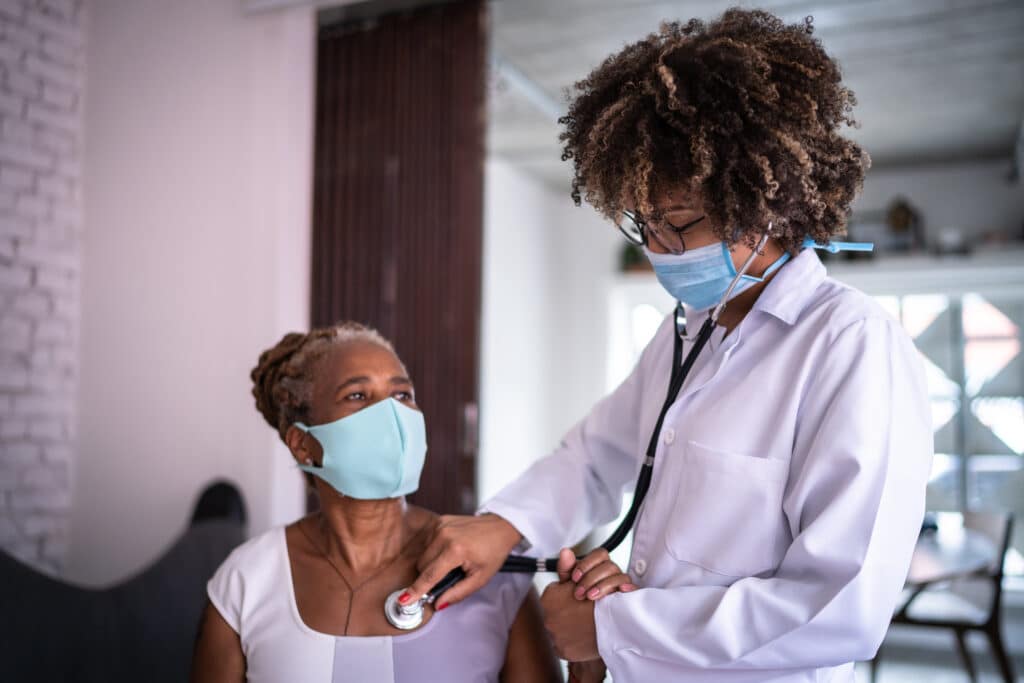
In order to create better drugs for Black Americans, our participation in clinical trials and studies is crucial. In a recent Patient Pulse interview, Dr. Thomas Nero, an interventional cardiologist, discussed the innovative African American Heart Study with lead researchers Dr. Elizabeth Ofili and Iyanna Liburd, shedding light on this crucial research project addressing cardiovascular health disparities in the Black American community.
Dr. Ofili, a cardiologist from Morehouse School of Medicine, explained the study’s focus: “The African American heart study was designed to address a gap in our understanding of how high cholesterol and specifically high lipoprotein, little a as we call it, which is Lp(a), affects the risk for heart disease, especially in blacks.” She added, “What we do know is that the levels are higher in Blacks, and that’s across all dimensions whether you’re Black African, Black Haitian, or Black American.”
The study’s significance lies in addressing the disproportionately higher rates of heart disease among Black Americans. Dr. Ofili noted, “We do know that Blacks in general have higher rates of heart disease even for the same levels of cholesterol. And the same is true combinations of blood pressure and diabetes.”
Describing the study design, Dr. Ofili said, “We have 35 sites, that’s our target. We’re almost there, that are participating.” She explained that participants either have had a cardiac event or are without such history, emphasizing, “The study was designed specifically to make it easier for community-based practices to participate.”
Iyanna Liburd, a clinical research fellow, shared her experiences in recruiting patients: “I realized that a lot of African Americans are just still skeptical about doing research.” She highlighted her approach: “My strategy was being interpersonal, explaining stuff, and then also tell them that, hey, ‘This is actually a trial that’s meant directly for you guys.'”
Dr. Ofili elaborated on the Health360x platform used in the study: “The Health360x platform came out of Morehouse School of Medicine, received a patent in 2012, and specifically to help patients with multiple chronic conditions self-monitor and manage their health.” She emphasized its value during the COVID-19 pandemic: “When COVID came, the doctors asked us, can we just use this to help with our patients? And it really was very helpful.”
A unique aspect of the study is its commitment to returning results to participants. Dr. Ofili explained, “We built in a component into the study where patients can find out about their results… We insisted on that component because we thought it was really important that patients… can still get value here with this new knowledge.”
Addressing strategies for increasing Black American participation in medical research, Dr. Ofili stressed, “One of the things that we started to do early on is really meet people where they are.” She added, “Making it more convenient, giving them something of value to say, yeah, we’re not just gonna study you. We’re gonna give you some information that hopefully helps you as you navigate your own health.”
Currently, there are no specific treatments for elevated Lp(a) levels. Dr. Ofili recommends, “Control every other risk factor because we still don’t have a drug, but we know that, you know, if you stop smoking, you’re exercising, you make sure your lipids are under control, it will bring down the risk.”
Dr. Nero observed, “I have a feeling that your results are going to be better than what we’re actually seeing in the real world because you’re going to be intervening in everyone’s care.”
As the interview concluded, Dr. Ofili expressed her enthusiasm: “We’re so excited that you’re part of this study. We look forward to your enrollment like you’ve done in other studies. But I think more importantly, making a difference in people’s knowledge and understanding of cardiovascular risk in doing that from day 1 as they’re participating.”
Iyanna Liburd offered a simple encouragement to potential participants: “It’s just simple. Just join the trial. It’s really beneficial to you.”
The African American Heart Study represents a significant step forward in addressing cardiovascular health disparities, combining community engagement, advanced technology, and patient-centered research to improve cardiovascular outcomes in the Black American population.


By subscribing, you consent to receive emails from BlackDoctor.com. You may unsubscribe at any time. Privacy Policy & Terms of Service.