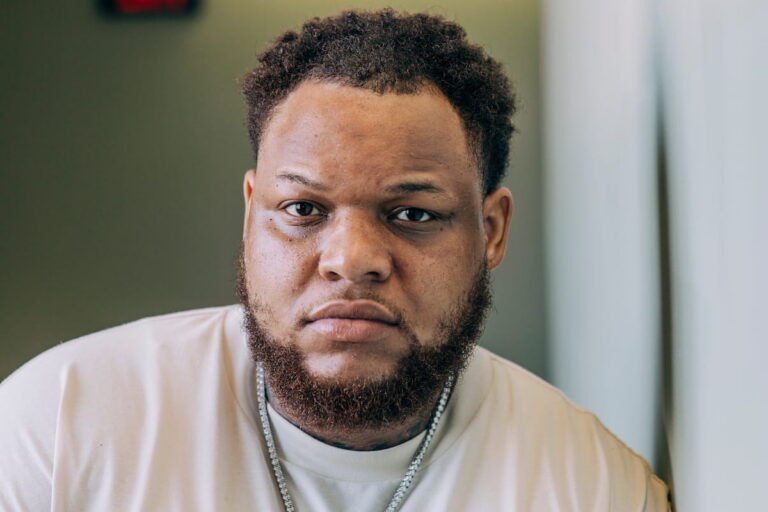
My cousin has a dear friend named Paul who is African American and a smoker. The few times I’ve been in Paul’s company, he could barely go two hours without lighting up a cigarette. I remember once while we were waiting to be seated at a restaurant, he stayed outside and smoked until our table was ready. Earlier this year, Paul was hospitalized with COPD. Maybe it was the time in the hospital when he couldn’t smoke or the wake-up call he received when he was told all of the damage smoking had done to his body that helped Paul stop smoking – cold turkey! Whatever his defining moment, Paul celebrates being smoke-free today and has no desire to go back.
READ: Are We More Accepting Of Obesity In Black Men?
Tobacco use has long been identified as the leading cause of preventable illness and premature death in the United States. Cigarette smoking is associated with stroke and coronary heart disease, it damages blood vessels and makes your heart beat faster, and can cause blockages that reduce blood flow to your legs and skin. We can add lung diseases, asthma, and different cancers (e.g., bladder cancer, colorectal cancer, stomach cancer, and other organs in the body).
This is a short list of the perils associated with tobacco use and smoking. There are comparable lists of why tobacco use persists in this country, and why certain population groups bear a greater burden of smoking and its negative health effects than others. How we are addressing the problem, though, is always what I’m most interested in.
The Centers for Disease Control and Prevention’s (CDC) successful Tips from Former Smokers national tobacco education campaign, shares sometimes jarring and heart wrenching stories of people who have suffered various health consequences associated with smoking. The campaign effectively puts real faces behind the data that CDC has reported for decades showing the harmful effects of cigarette smoking.
The bottom line of the public health message over the years has been simple – if you smoke, stop, and if you don’t smoke, don’t start! Policy strategies like raising the price of cigarettes and implementing comprehensive smoke-free laws have been used to prevent initiation and promote smoking cessation.
Tobacco use causes changes in brain chemistry that can lead to addiction, so the realities of smoking initiation and smoking cessation are much more complicated than “just say no to cigarettes,” and may vary between people and across population groups. The introduction of e-cigarettes, and the inclusion of marijuana use in analysis of tobacco use further complicate what we need to know in order to champion public health policies that will protect communities now and generations to come. The experience of African American smokers, for example, is one where we have more to learn and even greater actions to take if we want everyone equally protected from the harms of tobacco use and exposure.
In April 2016, CDC sponsored a special issue to the journal of Nicotine & Tobacco Research titled Critical Examination of Factors Related to the Smoking Trajectory among African American Youth and Young Adults that focuses on disparities in tobacco use and tobacco-related health outcomes between African Americans and whites. “This is an important supplement in that it points to the fact that African Americans suffer and die more from smoking-related diseases than other racial groups even though they start smoking later in life and smoke fewer cigarettes per day,” said Dr. Bridgette Garrett, Associate Director for Health Equity in CDC’s Office on Smoking and Health and co-editor of the journal.
Important topics covered in the supplement include:
As a community of former smokers, health advocates, policymakers, and public health researchers and practitioners, what actions can we take to change social norms related to tobacco initiation, use, and secondhand smoke exposure? How are you reducing tobacco use disparities in your community?


By subscribing, you consent to receive emails from BlackDoctor.com. You may unsubscribe at any time. Privacy Policy & Terms of Service.