In her late 40s, Alicia Wilson had a hectic schedule. She had a full-time job administering contracts, was a single mom of a busy high schooler, and had decided to take on the challenge of going back to school for a master’s degree.
So when Alicia, who was overweight, felt out of breath after climbing stairs, she hardly had time to think twice about it.
Then came the day at work when she was rushing to a meeting and fell, hitting her head. In the emergency room, doctors said she had a concussion. A few days later, she came home from her usual morning walk with her dog and thought she was going to faint.
She didn’t, but was scared enough to stay home from work. While she thought the concussion was to blame, she saw her doctor just to be safe. He ran tests, including an electrocardiogram. Results looked off for a 48-year-old, so he referred her to a cardiologist. She began wearing a monitor to record her heart’s electrical activity.
A week later, Alicia – who lives outside of Philadelphia – was finishing a paper for school while her then-17-year-old daughter, Shannon, was packing for a trip. The heart monitor started beeping erratically.
The hospital called and told Alicia to call an ambulance. She didn’t panic. It was just days before Christmas and she figured she’d be home in plenty of time to finish buying gifts and getting groceries for her holiday dinner.
In the hospital, doctors gave her medicine to stabilize her. Two days later, she received a pacemaker. When she woke up and went to the bathroom, she fainted. Doctors said the pacemaker was defective. She opted to continue her treatment at another hospital.
Her new doctor considered her symptoms – fainting, irregular heartbeat and shortness of breath – and thought she might have a rare condition called cardiac sarcoidosis. It’s marked by inflammation of heart tissue that can interfere with normal heart functioning.
Alicia received a new pacemaker. She went home on Christmas Eve and resumed her normal life. However, her heartbeat was still erratic. Her doctor implanted a defibrillator to deliver an electrical shock, if needed, to stabilize her heartbeat.
For two years, her devices needed to be adjusted. The problem, though, wasn’t the technology.
“It became very obvious that my heart was failing,” Alicia says. “They started having these conversations with me about heart transplant.”
First, her doctor tried another far less invasive procedure. It wasn’t successful. A transplant was her only option. She became so sick that a machine pumped her blood as she waited for a match.
Shannon, a high school senior playing sports and working on college applications, wanted to quit her teams to be with her mom.
“No,” Alicia told her. “Your life still has to continue.”
Shannon began going from track practice to the hospital for a few hours. She slept in Alicia’s room on the weekends.
RELATED: This New Technology Can Predict Heart Failure
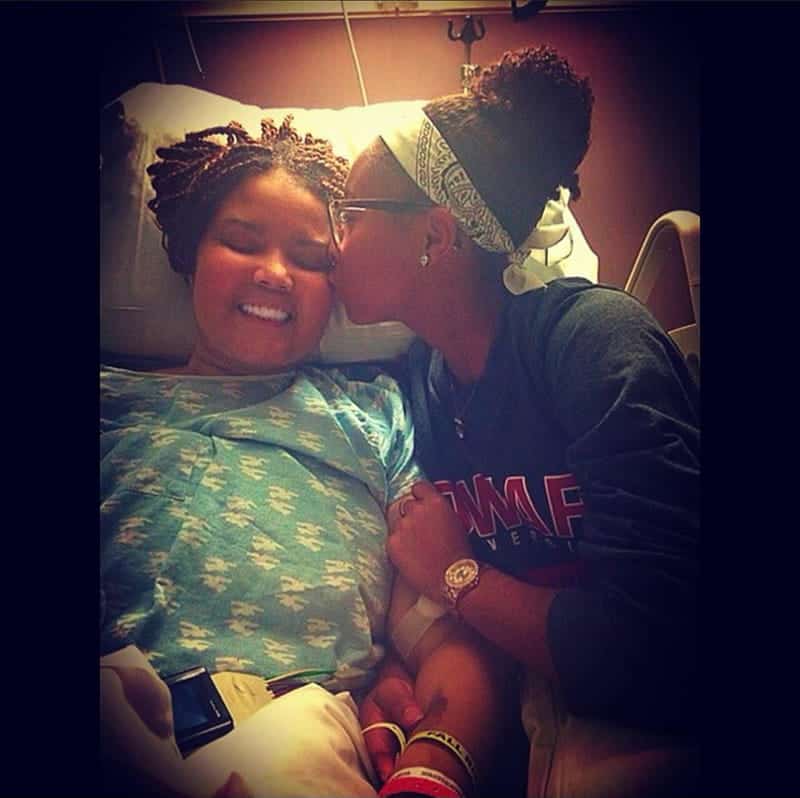
After a month on the waiting list, Alicia was told she’d be receiving a heart from a 19-year-old.
Before the transplant, nurses sang “Happy birthday.” Not because it was Alicia’s birthday but because she was receiving a new birthday.
Weeks later, Alicia went home in time for Thanksgiving. Her next big goal was to get healthy enough to attend Shannon’s high school graduation in the spring.
Shannon helped by driving Alicia to doctors’ appointments. “My mom had taken care of me, and now roles were reversed,” Shannon says.
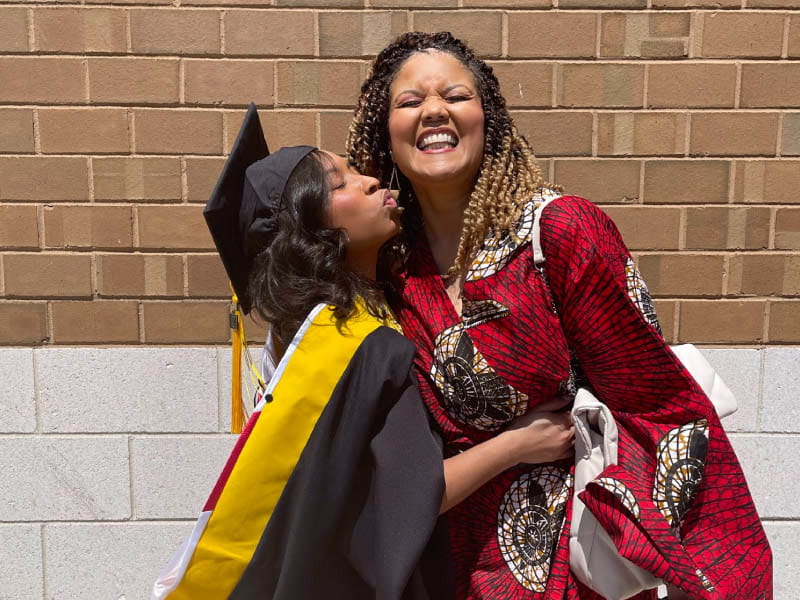
Shannon decorated her graduation cap with a heartbeat made from gemstones. Alicia beamed as her daughter received a diploma.
“It was an emotional day from start to finish,” Shannon adds. “There were tears.”
Seven years later, Alicia feels “absolutely wonderful.”
“All of us who’ve been blessed with a transplant know we’ve been given a gift,” she shares.
She serves on a patient and family advocacy and organ donation council at the hospital where she got her transplant. When she shares her experience, she stresses the importance of self-care.
“Stop thinking you’re Superwoman and just ask for help,” Alicia says. “Realize you’re valuable. You deserve to be poured back into. It’s also OK to say no.”
Young Black women show a high prevalence of obesity, elevated blood pressure and other lifestyle-related factors that may put them on a path to develop heart disease at a young age, according to a study presented at the American College of Cardiology’s 70th Annual Scientific Session.
Unfortunately, many women don’t know their risk factors, which makes education so important.
You should talk with your doctor about the following risk factors for heart disease:
Non-modifiable risk factors:
Modifiable risk factors:
“Early intervention is possible when you know there is heart disease in your family history and can share that information with your physician,” says Poulina Uddin, MD, a cardiologist at Scripps Clinic.
By American Heart Association


By subscribing, you consent to receive emails from BlackDoctor.com. You may unsubscribe at any time. Privacy Policy & Terms of Service.