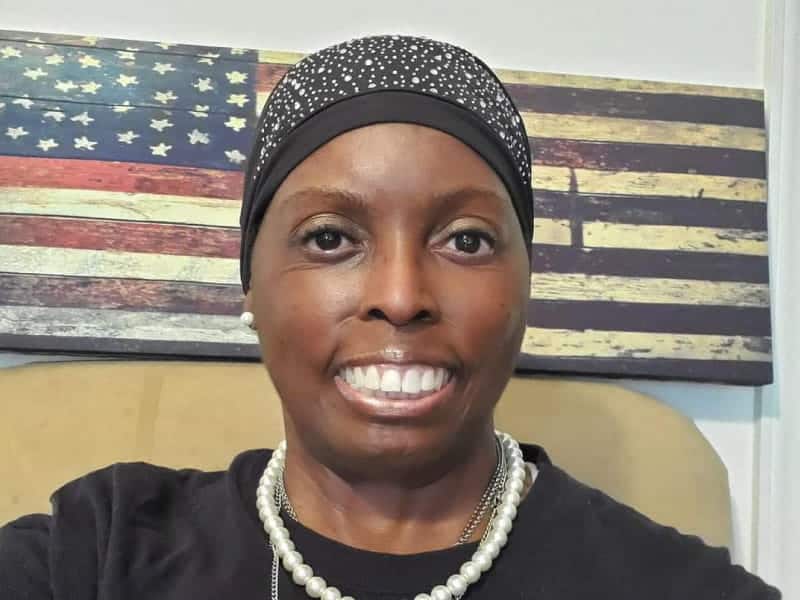
As a logistics planner with the U.S. Air Force, Kassandra Benson deployed to Pakistan, where she worked long days and nights coordinating and troubleshooting special operations troops’ equipment and travel needs.
After a year abroad, she returned home. A post-deployment health check at Langley Air Force Base in Virginia showed that her blood pressure was slightly elevated. Otherwise, her health was good.
Benson took a week of leave and flew to Minnesota to visit her family. During her leave, she felt exhausted.
She noticed her calves were swelling, which had never happened before. She thought her body was acclimating to being back from deployment. Her fatigue was also odd for someone so active and fit.
Two months later, at home in Newport News, Virginia, Benson hopped into the shower during Memorial Day weekend to get ready for a barbecue. She started coughing.
After showering, the coughing intensified. She brought up blood and couldn’t catch her breath.
“I think I need to go to the emergency room,” she told her boyfriend.
At the hospital, tests showed Benson had congestive heart failure. Her heart wasn’t efficiently pumping blood. She was coughing because of fluid buildup in her lungs.
RELATED: What Is Congestive Heart Failure?
She ended up spending a week in the hospital. Doctors performed a cardiac catheterization procedure to get a better look inside her heart. They found no blockages.
A month later, at a follow-up appointment with a new cardiologist, an ultrasound uncovered that she had mitral valve regurgitation. It’s a type of heart valve disease where the valve between the left heart chambers doesn’t completely close, allowing blood to leak backward into the chamber it just left.
Her doctor gave her medication. She continued to work, despite the fatigue. But over the next few weeks, her body stiffened. She lost weight. Her skin got darker, shinier and tighter. It felt like her body was on fire. It hurt to get out of bed and get dressed. Her fingers started to curl.
“I could barely move,” she says. “I thought I was about ready to be lights out.”
It was another problem: scleroderma, a connective tissue autoimmune disease. It involves hardening and tightening of the skin and can lead to problems with blood vessels and internal organs. It was unclear whether her heart issue and scleroderma were connected.
Benson had regular doctor’s appointments. “I was fearful, mad, upset and confused,” she shares. Still, she pressed on with work. “I just wanted to keep going. I’m not good at asking for help, I’m good at giving it.” Her movements were slow and she was in pain.
Water therapy and riding a stationary bike at physical therapy helped. So did medication. But the skin around her stomach was thickening, which made it difficult to give herself the weekly scleroderma injections she needed. The medicine also made her nauseous and she lost her appetite. Because of the scleroderma, her esophagus was stiff, too.
RELATED: Congestive Heart Failure: Natural Remedies To Save Your Life
She worked with a nutritionist to find foods she could digest and keep down. “Smoothies became my friend,” she adds.
A year after her scleroderma diagnosis, and with her heart condition, Benson retired from the military as a senior master sergeant. She was 44 and had been in the service for more than 25 years. She was disappointed because she’d planned to retire after 30 years of active duty. Also, she finished one rank below the highest possible for an enlistee.
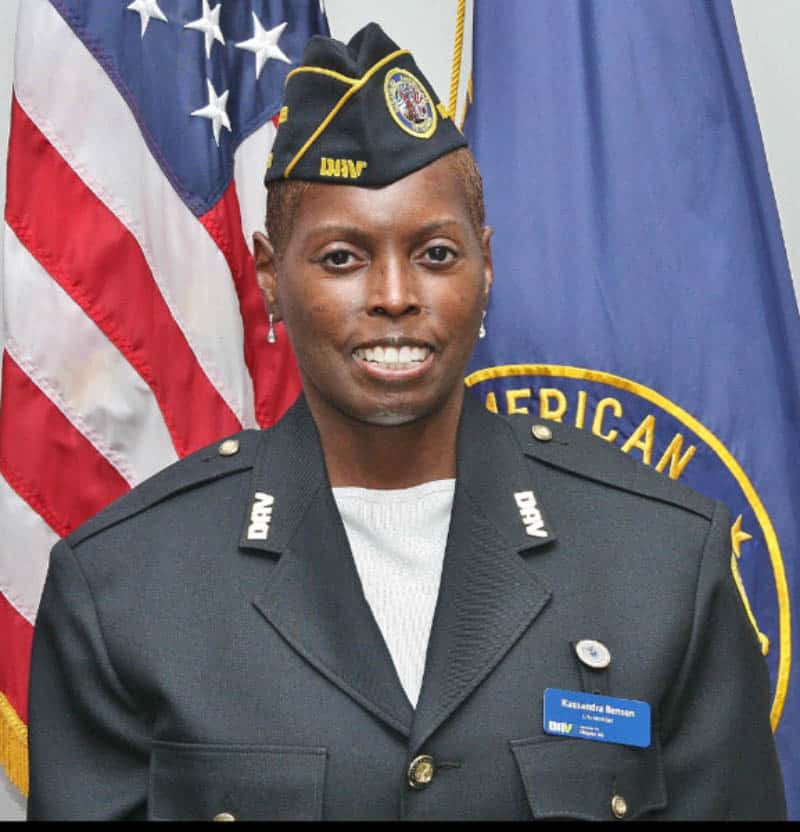
Now 55, Benson has learned how to manage her conditions. She plans errands around how she’s feeling each day and gets regular exercise. She’s found strength in her religion. “Illness will allow you to hear God in ways you never thought of,” she says.
Heart problems have mounted. She’s developed heart palpitations, an enlarged heart and a slight hardening of her heart muscle from the scleroderma. Last year, she had an ablation procedure to try to normalize an irregular heartbeat. She’s also taking medication to keep her blood pressure under control.
Benson has also started volunteering. For the past few years, she’s worked as a service officer for a nonprofit that helps fellow disabled veterans. She finds fulfillment in helping veterans and their families get benefits and emergency relief.
“I asked myself, ‘How can I still be useful?'” she says, “even if what I do might look different than what I’ve done before. Volunteering has given me back the ability to still provide for my veteran family.”
On her difficult days, Benson leans on her friends. “When she’s having a bad day, I’ll sit and listen to her,” says Francine James, a fellow volunteer. “The veterans, they’re very appreciative of her.”
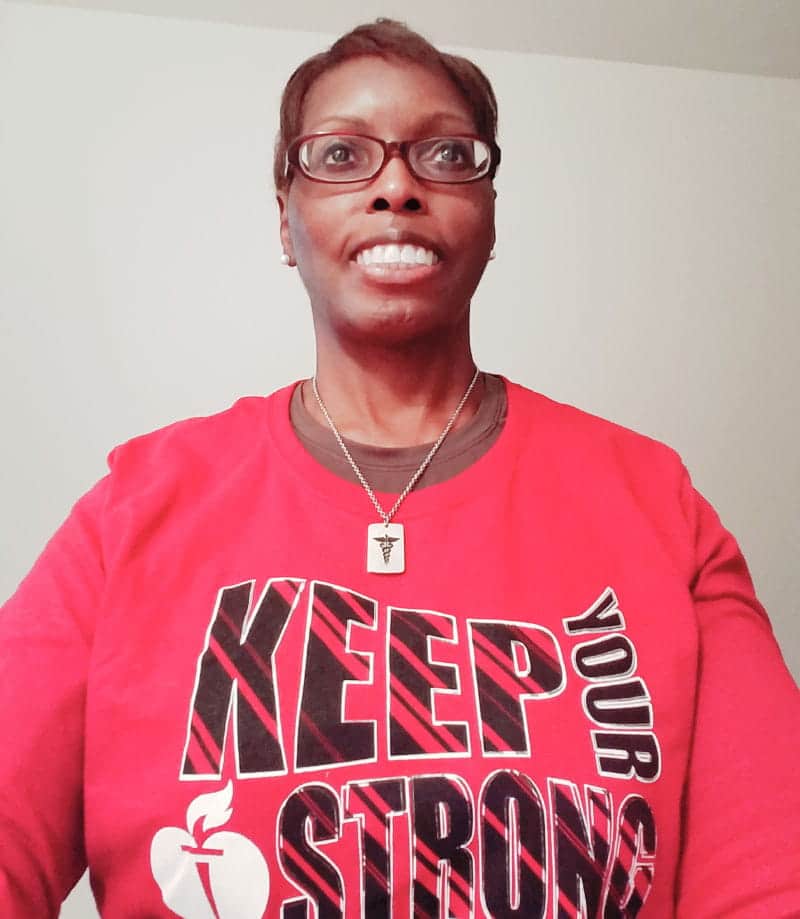
While James knows Benson fears having a heart attack, she also sees her friend is grateful for every day. Benson, she says, is dedicated to pushing through her own pain to help others and is proud to be as independent as possible.
“She’s a true friend and a dedicated veteran who still goes the extra mile to help other veterans in need,” James concludes.
Heart failure symptoms can develop slowly or start suddenly. You should see your healthcare provider if you think you might have symptoms of heart failure. Call 911 or emergency medical help if you have any of the following:
By the American Heart Association


By subscribing, you consent to receive emails from BlackDoctor.com. You may unsubscribe at any time. Privacy Policy & Terms of Service.