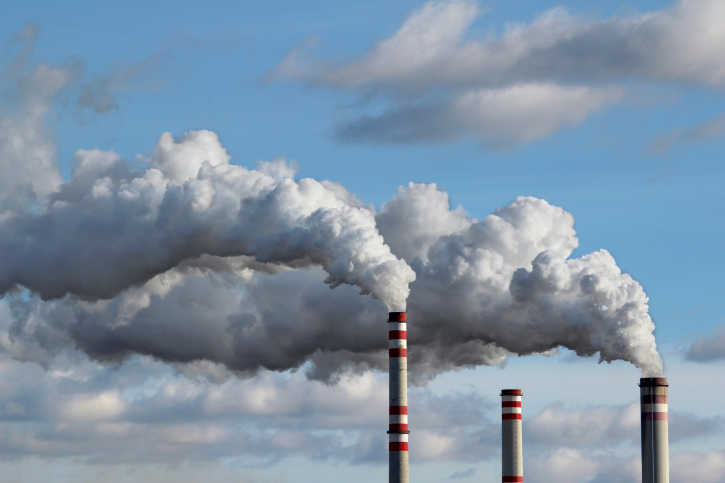
(BlackDoctor.org) — Air pollution does not cause asthma, but it can trigger asthma symptoms or an asthma attack. The airways of an asthmatic can be considered “hypersensitive,” which means that elements in the air cause inflammation and constriction that can lead to coughing, wheezing and shortness of breath. Any irritating stimulant, like cigarette smoke or ozone, which may not produce a reaction in most people, may lead to wheezing or a full-blown asthma attack for an asthma sufferer.
Understanding Ozone
One of the leading contributors to outdoor air pollution is ozone, whose basic unit consists of three oxygen molecules. Ozone gas is usually found in the earth’s upper atmosphere where it forms a protective barrier against harmful rays from the sun, but it can also form in the lower atmosphere, where people breathe it in. Under certain conditions, usually in the warm, sunny days of summer, ozone collects in the lower atmosphere, contributing to the smog, haze or general pollution that obscures city skylines. This layer is a result of sun and heat acting on the oxygen and many other substances, including chemicals released by manufacturing plants, gas pumps, power plants and vehicle emissions.
The risk of an asthma attack rises as the concentration of ozone in the air rises, according to hospitalization data on more than a million children between 1995 and 2000. With each increase of ozone by one part per billion (a measure of its concentration in the air), the risk of asthma hospitalization went up 22 percent, with children under age 2 at the greatest risk.
Preventing Asthma When Ozone Is High
Many cities and local news channels now alert the public when ozone levels are considered dangerous for people with asthma. You can also check the Environmental Protection Agency’s (EPA) air quality Web site (http://airnow.gov) for up-to-date information.
To avoid an asthma attack on high ozone days, try the following suggestions:
• Exercise indoors or early in the day outdoors when ozone levels are lowest. As the day progresses and the temperature rises, ozone levels also get higher.
• Stay away from high-traffic areas. Don’t go walking along main thoroughfares or places where cars tend to idle. Keep in mind, though, that living in a rural or suburban area doesn’t necessarily protect you; ozone-related vehicle emissions can drift hundreds of miles.
• Use ozone-reducing air filters indoors to control the ozone entering your home, although on high-alert days you should keep the doors and windows closed as much as possible.
• Make sure you know what to do if you start to experience asthma symptoms.
If you have asthma, know where to get accurate and timely information on ozone levels in your area, and be sure to check these sources frequently. Be willing to change your daily routine so that you can stay indoors if air quality is poor.


By subscribing, you consent to receive emails from BlackDoctor.com. You may unsubscribe at any time. Privacy Policy & Terms of Service.