
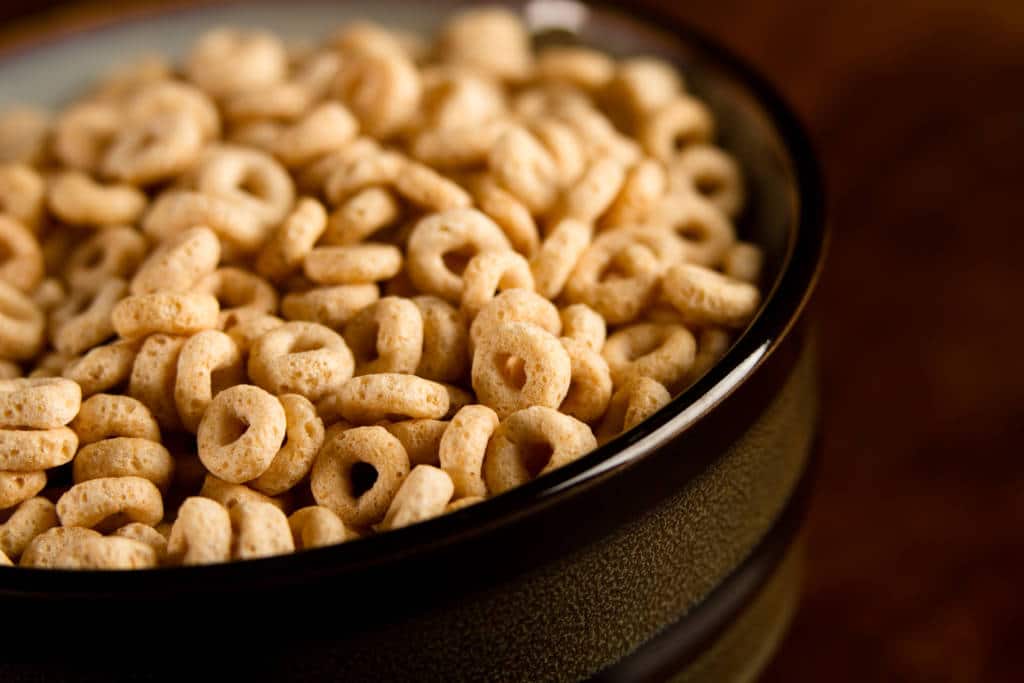
Imagine opening up your box of cereal and pouring out a bowl of cancer. Doesn’t sound too good, does it? Well, it seems like that’s what many may be inadvertently doing because of the chemicals just found in certain cereals.
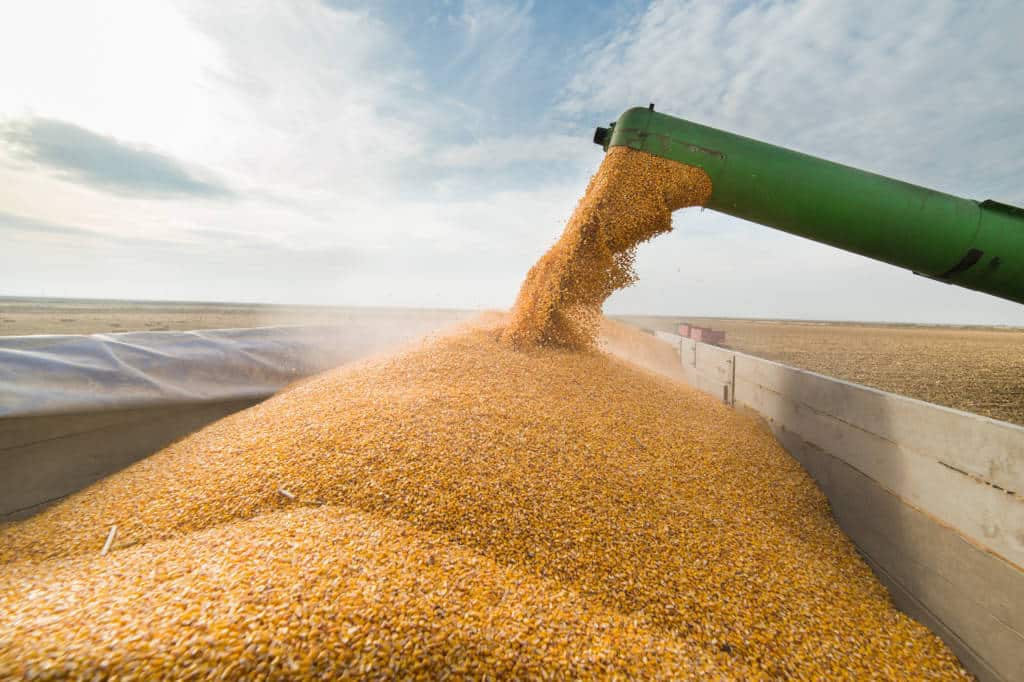
Lab tests of cereals and snack bars made with oats found that many had high levels of the weedkiller glyphosate. Glyphosate is the active ingredient in the widely used pesticide Roundup, which has been linked to cancer.
The tests were commissioned by the nonprofit Environmental Working Group after internal FDA emails surfaced last year showing chemists at the agency were testing wheat, corn, and oat foods for glyphosate and had found “a fair amount in all of them,” but had not yet released those results to the public. The emails were obtained by investigative journalists working for the nonprofit U.S. Right to Know.
Out of 61 food samples tested, 48 had some glyphosate in them. The most heavily contaminated were made with conventionally grown — as opposed to organically grown — oats.
The highest level detected, 1,300 parts per billion, was in a sample of Quaker Old Fashioned Oats. The lowest level, 10 parts per billion, came from a sample of Whole Foods conventional rolled oats scooped from a bulk bin.
Oats are the basis of many favorite children’s snacks, including Cheerios and other baby finger-food cereals. Because of their small size and still-developing bodies, babies and young children are more vulnerable to environmental harms than adults are.
Earlier this month, a California jury ordered Monsanto, the makers of Roundup, to pay $289 million in damages to a man dying of cancer, which he says was caused by his repeated exposure to large quantities of Roundup and other glyphosate-based weed killers while working as a school groundskeeper.
Monsanto produced Roundup for decades, but this year merged with the German pharmaceutical company Bayer AG. In the cancer man’s case, the jury found that Monsanto knew for decades of the product’s hazards and not only failed to warn customers, but schemed to publicly discredit the evidence.
Organic products have been found to have lower levels of glyphosate. Almost two-thirds of the samples made with organically grown oats didn’t have any detectable glyphosate at all. But even organic oats can be contaminated if they sit next to fields where glyphosate is sprayed, or if they’re processed on the same equipment as conventionally grown oats.
So, how big is the risk of cancer? Should you be worried?
Experts have different viewpoints on this answer. In 2015, the International Agency for Research on Cancer declared that glyphosate was “probably carcinogenic to humans.” Europe is seeking to ban the chemical. More than 1 million people signed a petition calling on the European Union to prohibit its use, and Germany announced plans to stop its use there by 2021.
Yet in 2017, the EPA said the chemical was “not likely” to cause cancer in people.
“This is where it gets tricky. This isn’t straightforward,” says Michael Davoren, PhD on Yahoo News. Dr. Davoren studies molecular toxicology at UCLA. He was not involved in the Environmental Working Group’s tests.
Olga Naidenko, PhD, the Environmental Working Group’s senior science advisor for children’s environmental health, says glyphosate shouldn’t be in food, especially in foods that we…
…feed to young children.
“We believe that toxic pesticides, especially ones that may be linked to cancer, really don’t belong in the diet,” she says.
But even Naidenko and her co-author, toxicologist Alexis Temkin, PhD, say the odds of getting cancer from eating glyphosate-contaminated oats are really low.
Based on their own calculations, they say a single serving of most of the foods they tested, eaten each day for a lifetime, would cause just one additional case of cancer in every million people.
“That’s such a low increased risk to speculate about,” Davoren says. “When you’re dealing with something like that, a 1-in-a-million increased risk of cancer, I would say that isn’t a significant level to be particularly concerned about.”


By subscribing, you consent to receive emails from BlackDoctor.com. You may unsubscribe at any time. Privacy Policy & Terms of Service.














