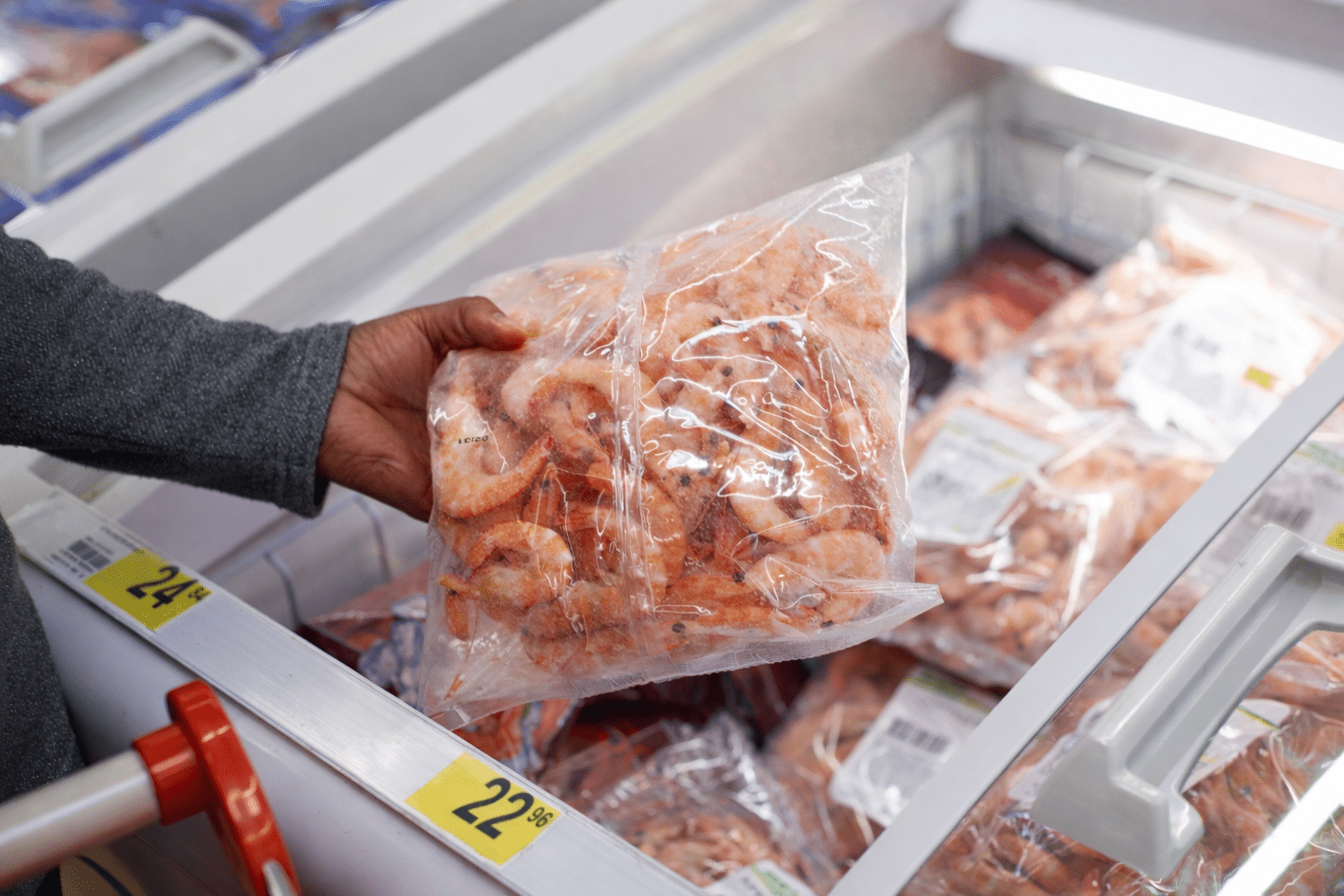
 On December 19, 2025, Direct Source Seafood LLC (based in Bellevue, Washington) announced a recall of about 83,800 bags of frozen raw shrimp imported from Indonesia. U.S. Food and Drug Administration
Market 32 (sold at Price Chopper/Market 32 stores in the Northeast)
Waterfront Bistro (sold at chains like Safeway, Albertsons, Jewel-Osco, and others across multiple western and midwestern states)
Best-by dates generally fall between April 22–27, 2027, and were sold starting around late June / mid-July 2025 (exact dates vary by brand).
The shrimp was processed by PT. Bahari Makmur Sejati in Indonesia, a company already at the center of several 2025 shrimp recalls linked to cesium-137.
So far, no illnesses or radiation-related health problems have been reported from these products. The recall is being done out of caution after the shrimp may have been prepared, packed, or stored in conditions where they could be exposed to cesium-137.
This isn’t just a routine “possible contamination” headline. A few things make this recall stand out:
Cesium-137 is a man-made radioactive isotope produced during nuclear fission (like in nuclear reactors or from certain industrial uses). It gives off ionizing radiation that can damage cells and DNA. Long-term exposure can increase the risk of cancer.
The FDA and other experts emphasize that the likely exposure from these shrimp, if there is any, would probably be low — not the same as standing next to nuclear waste. But when it comes to food safety, especially with radiation, regulators lean toward zero tolerance. If something might be contaminated, they want it off the market.
This is not the first cesium-137 shrimp recall in 2025. Earlier in the year:
The FDA warned the public not to eat certain frozen shrimp imported from PT. Bahari Makmur Sejati after cesium-137 was detected in shipping containers and in a sample of frozen breaded shrimp.
Multiple recalls followed, including:
Great Value frozen raw shrimp from Beaver Street Fisheries (sold at Walmart).
Sea Port brand raw frozen shrimp.
Various private-label and “Kroger Mercado” shrimp products. Food Manufacturing+1
The FDA even created a dedicated “2025 Recalls of Frozen Shrimp Products Associated with Cesium-137 Contamination” page to track all related recalls tied to this Indonesian supplier. U.S. Food and Drug Administration+1
So this latest recall isn’t a random one-off event—it’s part of a larger, ongoing food safety problem focused on shrimp from a particular source.
Shrimp is the most-consumed seafood in the U.S., and frozen bags are a staple in many home freezers. That means a recall like this can affect millions of households, and some people might not even remember when or where they bought a bag.
This is the big question everyone has.
Cesium-137 behaves somewhat like potassium in the body and can be absorbed if eaten.
Long-term or repeated exposure to higher levels can increase the risk of bone, soft tissue, or other cancers due to DNA damage.
The shrimp in question are believed to have been held in conditions where they may have been exposed to low levels of cesium-137. So far, regulators and companies have not reported specific measured high levels in the recalled bags themselves.
If you already ate some of this shrimp:
Current information suggests the risk of serious health effects from a small amount — for example, a meal or two — is likely very low, especially compared to other everyday radiation exposures (like medical imaging or natural background radiation).
If you still have it in your freezer:
Don’t take chances. The recall exists precisely so you don’t continue eating something that might add unnecessary radiation exposure over time.
If you’re worried because you’ve eaten a lot of shrimp from one of the recalled brands, talk to your doctor. They can look at your overall risk and reassure you or suggest next steps, if any.
If you buy or recently bought frozen shrimp, here’s a simple checklist:
Look for:
Brand names:
Market 32 (and related Price Chopper/Market 32 store brands)
Waterfront Bistro
Product type:
Frozen raw shrimp (often labeled as “raw shrimp,” “EZ-peel,” “tail-on,” “farm-raised,” etc.).
Best-by dates:
Generally April 22–27, 2027 for the current Direct Source recall (exact dates are on the FDA notice and store announcements).
If the information on your bag matches what you see in the FDA or store recall announcement, assume it’s part of the recall.
Don’t taste it “to see if it’s OK.”
Don’t cook it and think that heat will make it safe — cooking does not remove radioactivity.
You typically have two options:
Return it to the store:
Most chains are offering a full refund even without a receipt, as long as you bring the recalled product back.
Discard it safely:
If you’d rather not bring it back, double-bag it, throw it in the trash, and wash your hands afterward. Don’t compost it or feed it to pets.
There’s no strong evidence that simple handling poses a major radiation risk, but it’s always smart to:
Clean any surfaces or containers that touched the frozen shrimp.
Wash your hands with soap and water after handling it.
Because this is part of a series of shrimp recalls, it’s wise to:
Check the FDA’s recall page for updates on shrimp and other seafood.
Sign up for recall alerts from your grocery store, local news outlet, or consumer watchdog groups.
Other shrimp sourced from different countries or companies that are not named in these recalls are not automatically unsafe. But this is a reminder to:
Buy from retailers and brands that are transparent about where their seafood comes from.
Check labels for country of origin.
Follow recalls regularly if shrimp is a big part of your diet.
Even beyond this recall, you can reduce your risk from contaminated seafood by:
Varying your seafood
Don’t rely on one species or brand all the time. Rotate between shrimp, salmon, cod, canned tuna, etc., within recommended mercury and safety limits.
Buying from reputable sellers
Look for stores that clearly post recall notices and have good handling practices for frozen and fresh seafood.
Storing and cooking properly
While cooking doesn’t fix radiation issues, it does protect against more common problems like bacteria and parasites.
Paying attention to news and alerts
Shrimp has been a hot spot for recalls in 2025, especially related to cesium-137. Staying plugged in helps you avoid being caught off guard.
If you find Market 32 or Waterfront Bistro frozen raw shrimp (or other brands listed in related cesium-137 recalls) in your freezer:
Don’t eat it.
Return it or throw it away.
Check official recall lists before your next shrimp purchase.
You don’t have to give up shrimp forever, but you do want to be more alert. A few minutes of checking labels and recall notices can protect you and your family from unnecessary risk — and send a clear message up the supply chain that consumers are paying attention.


By subscribing, you consent to receive emails from BlackDoctor.com. You may unsubscribe at any time. Privacy Policy & Terms of Service.