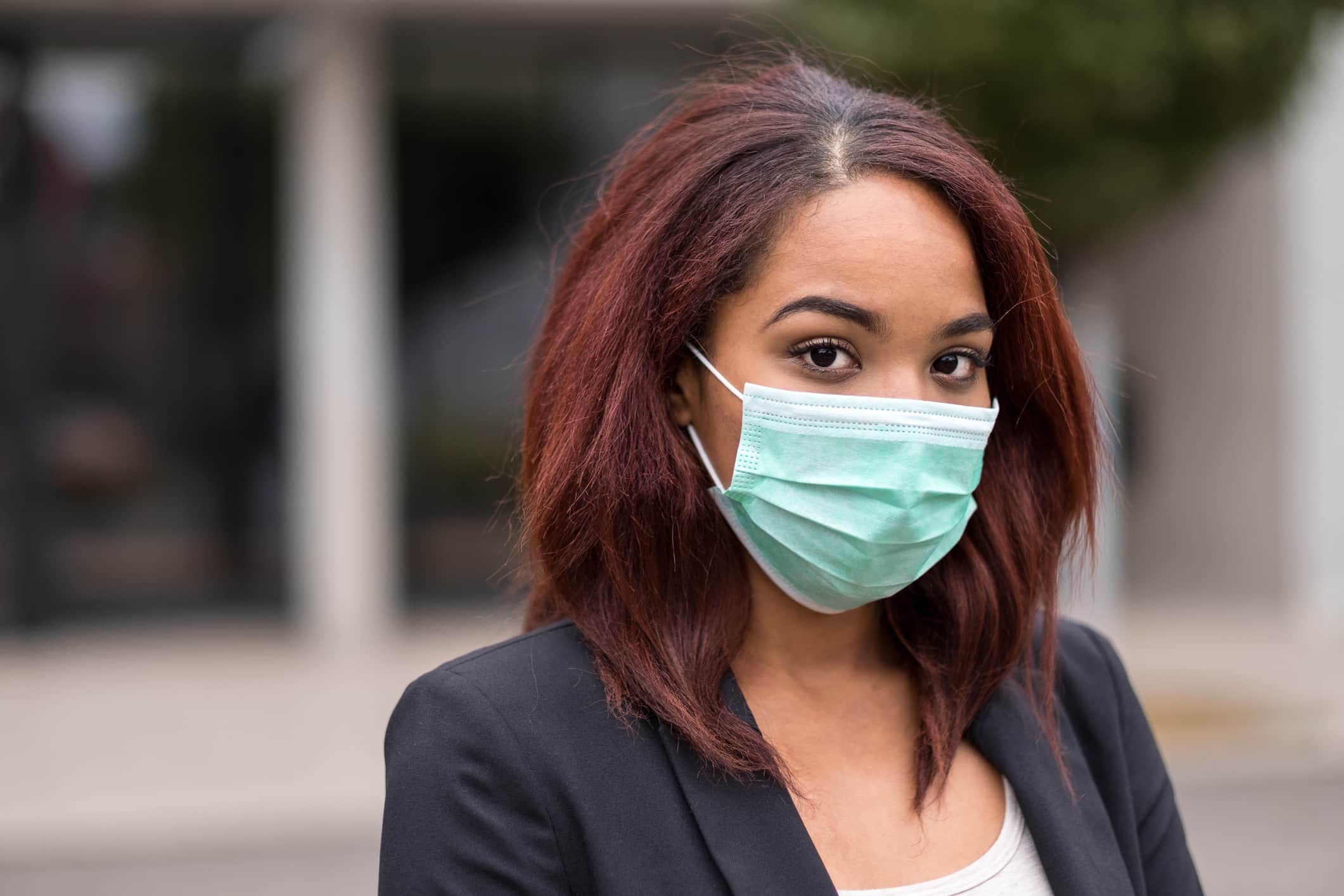
There’s a rumor going around that black people can’t get the coronavirus. After all, we haven’t heard or seen of too many cases of any African Americans who have contracted the virus.
So we did a little research to 1) see where this rumor came from, and 2) to see if it was true.
It seems as though social media help spread a story about “report” that said a man who had the Coronovirus stayed alive because of his African American skin.
Here’s the direct quote:
“Doctors said he remained alive because he has black skin, the antibodies of a black are 3 times stronger, powerful and resistant compared to that of white.”
To be honest, scientists are saying there’s no evidence that statement is true and have denied where it came from. As a matter of fact, none of the articles ever mentioned that black or darker skin, or even African American lineage made people immune to the disease.
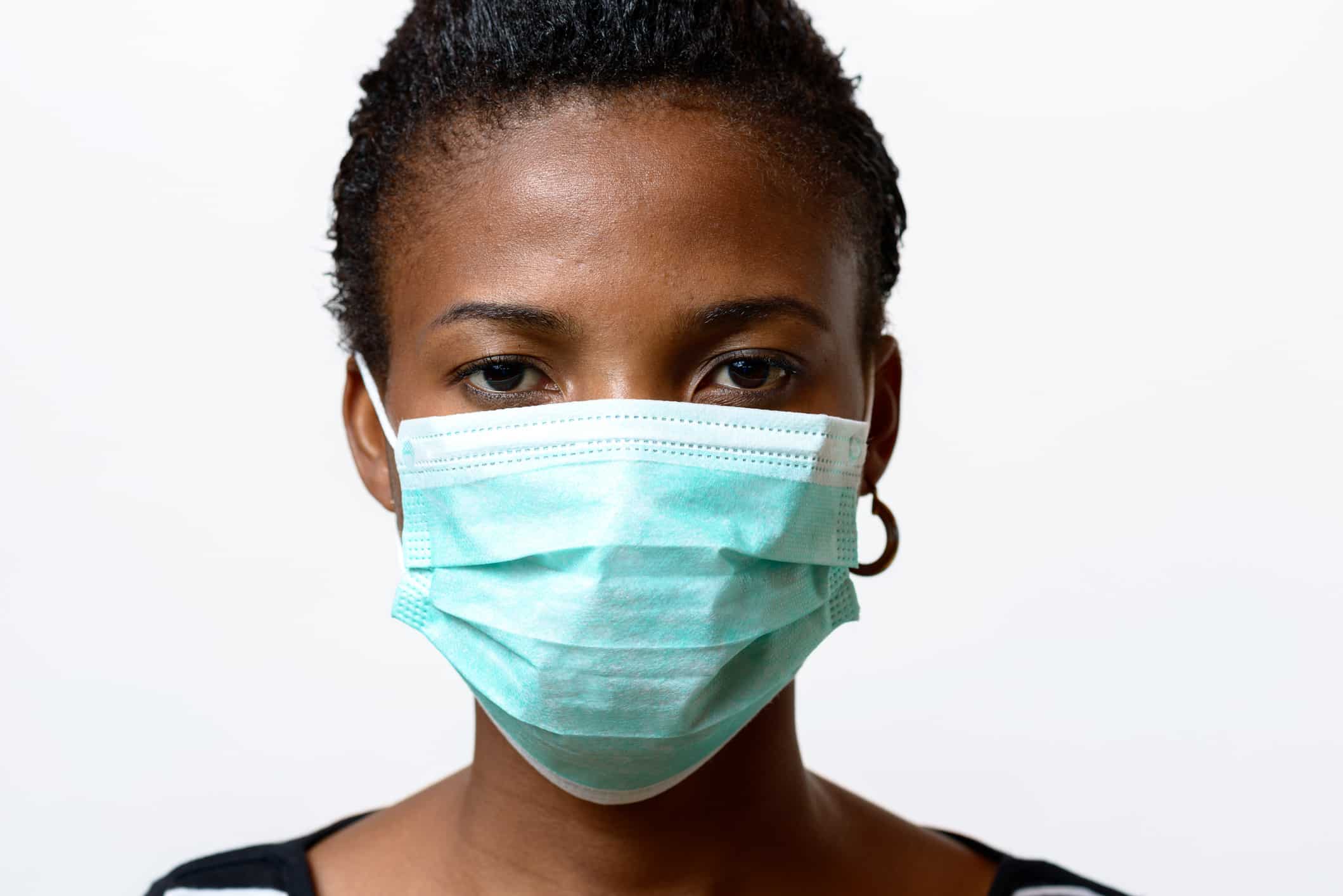
And recently, a case of the Coronavirus has shown up in the continent of Africa, in the country of Egypt. We are unaware if the person who contracted the virus is of darker skin or not.
Egypt has confirmed its first case of the new coronavirus. This newfound entry into Africa comes with little surprise as Africa is a continent with increasingly close ties to China where…
… the virus originated.
The World Health Organization (WHO) has already declared the coronavirus outbreak a global health emergency – largely because of fears that poorer countries may not be able to cope with an outbreak.
“The main reason for this declaration is not what is happening in China but what is happening in other countries. Our greatest concern is the potential for the virus to spread to countries with weaker health systems,” said WHO chief Tedros Adhanom Ghebreyesus, who is from Ethiopia.
The health systems in many African countries are already struggling with the existing workload, so can they deal with another outbreak of a highly infectious disease?
Michael Yao, WHO’s head of emergency operations in Africa, notes that some countries on the continent “have the minimum to start with – they’re not starting from scratch”.
“We know how fragile the health system is on the African continent and these systems are already overwhelmed by many ongoing disease outbreaks, so for us it is critical to detect earlier so that we can prevent the spread.”
The head of the World Health Organization (WHO) said that public health officials are operating in “uncharted territory” as they combat the spread of the novel coronavirus. To date, it has infected more than 90,000 people across 73 countries and territories as of Monday evening.
The virus has spread to every continent except Antarctica since it was first identified in December last year in the
central Chinese city of Wuhan. Medical workers are now battling deadly outbreak clusters in South Korea, Iran and Italy, while other countries are working furiously to avoid a similar fate by readying public health authorities, alerting their citizens and enacting travel restrictions to affected areas.
To date, there have been 172 deaths reported outside mainland China, raising the global death toll to 3,115.
Several nations that have seen cases are putting in place measures to limit the virus’ spread: closing schools, encouraging remote work and canceling or scaling back public events, just to name a few.
The WHO has so far held off on classifying the incident as a global pandemic, but has warned it is a possibility in the near future.
“We have never before seen a respiratory pathogen that is capable of community transmission, but which can also be contained with the right measures,” said Dr. Tedros Adhanom Ghebreyesus, the director-general of the global health watchdog.
Traveling anytime soon? It can be a little scary now with the coronavirus going around and see ordinary people wearing masks in the airport.
So what do you do to protect yourself while traveling?
The World Health Organization issued some recommendations to travelers during this Coronavirus outbreak.
They say travelers who are sick to delay or avoid travel to affected areas, in particular for elderly travelers and people with chronic diseases or underlying health conditions.
General recommendations for personal hygiene, cough etiquette and keeping a distance of at least one meter from persons showing symptoms remain particularly important for all travelers. These include:
– Perform hand hygiene frequently, particularly after contact with respiratory secretions. Hand hygiene includes either cleaning hands with soap and water or with an alcohol-based hand rub. Alcohol-based hand rubs are preferred if hands are not visibly soiled; wash hands with soap and water when they are visibly soiled;
– Cover your nose and mouth with a flexed elbow or paper tissue when coughing or sneezing and disposing immediately of the tissue and performing hand hygiene;
– Refrain from touching mouth and nose;
– A medical mask (optional). A medical mask is not required if exhibiting no symptoms, as there is no evidence that wearing a mask (of any type) protects non-sick persons. However, in some cultures, masks may be commonly worn. If masks are to be worn, it is critical to follow best practices on how to wear, remove and dispose of them and on hand hygiene after removal
As for any travel, travellers are also advised to follow proper food hygiene practices, including the five keys for food safety, as well as recommendations to reduce the risk of transmission of emerging pathogens from animals to human in live markets.
Travellers returning from affected areas should self-monitor for symptoms for 14 days and follow national protocols of receiving countries. Some countries may require returning travellers to enter quarantine. If symptoms occur, such as fever, or cough or difficulty breathing, travellers are advised to contact local health care providers, preferably by phone, and inform them of their symptoms and their travel history. For travellers identified at points of entry, it is recommended to…
…follow WHO advice for the management of travellers at points of entry. Guidance on treatment of sick passengers on board of airplanes is available on ICAO and IATA websites. Key considerations for planning of large mass gathering events are also available on WHO’s website. Operational considerations for managing COVID-19 cases on board of ships has also been published.
For countries which decide to repatriate nationals from affected areas, they should consider the following to avoid further spread of COVID-19: exit screening shortly before flight; risk communication to travellers and crew; infection control supplies for voyage; crew preparedness for possibility of sick passenger in flight; entry screening on arrival and close follow-up for 14 days after arrival. (WHO recommendations to reduce risk of transmission of emerging pathogens from animals to humans in live animal markets)
Cruise Lines International Association (CLIA), the leading voice of the global cruise industry has issued these guidelines which are being followed by their member lines – which make-up over 90% of ocean-going cruise capacity worldwide:
CLIA Members are to deny boarding to all person who have traveled from, visited or transited via airports in China, including Hong Kong and Macau, within 14 days* before embarkation.
CLIA Members are to deny boarding to all persons who within 14 Days* before embarkation, have had close contact with, or helped care for, anyone suspected COVID-19.
CLIA Members are to conduct preboarding screening necessary to effectuate these prevention measures. Enhanced screening and initial medical support are to be provided, as needed, to any persona exhibiting symptoms of suspected COVID-19.
What are the authorities saying about travel in general?
Neither the World Health Organization or the Centers for Disease Control are advocating severe travel restrictions except to/from those countries that are most affected. This is a rapidly changing environment; for the latest travel advisories please visit COVID-2019 Information for Travel.
Cruise ships are operating on normal schedules, except in Asia, where ships have been…
…diverted to other regions. Ports are being monitored continually, and we have seen some changes in itineraries such as to Italy and to some Caribbean nations.
Cruise Ship Industry Response
We have been in the industry for almost 40 years and have experienced similar outbreaks in the past (SARS, Norovirus, Legionnaires disease). The cruise industry has always responded quickly to world events and because of the nature of the onboard environment, has been able to isolate quickly and communicate effectively. For many years now, disinfecting has been a normal procedure for all guest (and crew) and the lines are hyper-sensitive, with enhanced crew training to identify issues immediately.
The cruise industry is unique in their requirement to report illness
Cruise Lines are required by maritime law through the Vessel Sanitation Program (VSP) to report when 2% of passengers are ill. No other sector of the travel industry is required to report – and that includes hotels, planes, convention centers, etc. For this reason, we feel that cruising is the safest form of travel during times like this.
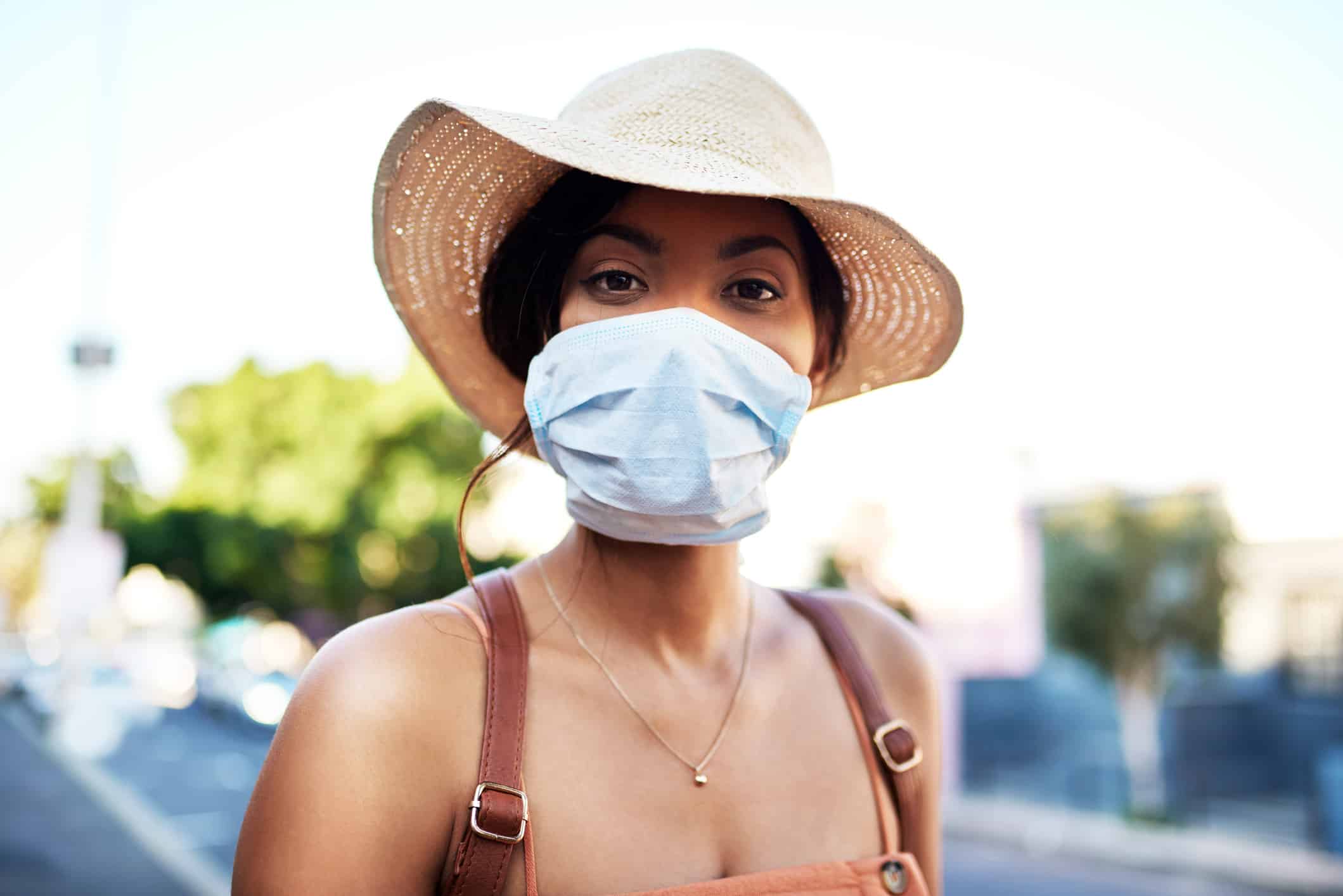
According to CLIA, the cruise industry is one of the most well-equipped and experienced when it comes to managing and monitoring health conditions of those onboard, with outbreak prevention and response measures in place year-round. Furthermore, ships must be fitted with onboard medical care in the event of illness. Their security and screening systems can prevent the spread by denying boarding to anyone who they suspect is carrying a virus.


By subscribing, you consent to receive emails from BlackDoctor.com. You may unsubscribe at any time. Privacy Policy & Terms of Service.