Endometriosis is a painful condition affecting many women, yet often years pass before it’s diagnosed. For Black women, the delay in getting diagnosed is even worse.
Tissue that normally lines the inside of the uterus starts growing outside it, often affecting the ovaries, the bowel or tissue lining your pelvis. Cysts or scar tissue can form.
Beyond intense physical pain, endometriosis can affect everything from your mood and self-esteem to your relationships, especially when it disrupts your sex life.
The most serious complication is infertility. Up to half of all women with endometriosis have difficulty getting pregnant, which is often what first brings it to your doctor’s attention.
One reason for the delay in getting medical care is thinking the pain is normal menstrual discomfort and not taking symptoms seriously. The chief clue is intense pelvic pain, often during different circumstances. But keep in mind that the degree of pain doesn’t always correlate with the severity of the endometriosis.
RELATED: Day 1: Just Diagnosed with Endometriosis
Here are some warning signs of endometriosis:
Having a mother, sister or daughter with endometriosis, starting your period before age 11 or after age 14, having heavy periods lasting more than one week or having monthly cycles fewer than 27 days apart are also risk factors for the condition.
If you are experiencing any of these symptoms, it is time to see a doctor. A doctor can often diagnose endometriosis with an ultrasound.
“They’ll move the ultrasound around in such a way to see if organs are stuck together, which can happen with endometriosis,” Dr. Kristin Riley, chief of minimally invasive gynecologic surgery at Penn State Health in Hershey, said in a Penn State news release. “Or when they push in certain places, is it painful to the patient? That can be helpful. And sometimes with an ultrasound, you can see a big cyst of endometriosis on an ovary — that’s called an endometrioma.”
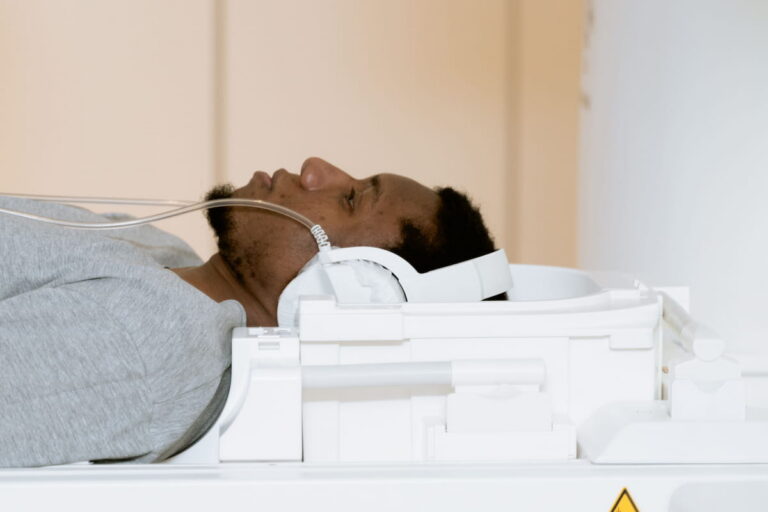
An MRI or CT scan may also reveal endometriosis in the abdominal wall.
“That’s caused when endometrial tissue is transplanted there from a surgery, most commonly from a C-section,” Riley explains. “When we see that in patients, they’ll usually have more endometriosis in their pelvis.”
RELATED: Endometriosis: It’s Not Just Painful Periods
Patients with painful endometriosis can help reclaim their lives by managing flare-ups at home and getting medical care, a specialist in women’s health assures.
Riley offered information about the condition that affects 1 in 9 women.
Definitive diagnosis happens with laparoscopy, a minimally invasive surgery using a long, skinny camera to look at the pelvic region. Surgeons will remove as much of the endometriosis as possible and do a biopsy.
It’s not uncommon for the endometriosis to return within a year after laparoscopic surgery, Riley adds.
Riley noted that women with endometriosis may have periods of remission.
“It’s hard to predict who will experience those pain-free intervals, and how long they will last,” she says. “It’s really important to manage the condition and be ready for the flare-ups.”
Other treatments include anti-inflammatory medication and hormone therapy.
Because stopping periods can decrease pain and inflammation, doctors may prescribe birth control pills, progesterone pills or progesterone intrauterine devices.
Endometriosis medications like Lupron Depot, which is injected every one to three months, or the oral medication Orilissa are options.
While many women who experience endometriosis may find relief, others may not if their pain is coming from the pelvic floor or bladder.
To manage symptoms at home, Riley and her team work with patients to create a personalized “flare care” kit, with options for the patient in case of a flare-up.
This can include anti-inflammatory over-the-counter medications such as ibuprofen (Motrin) or naproxen (Aleve); warm baths or heating pads; a battery-powered device that delivers electric impulses through electrodes on the skin known as transcutaneous electrical nerve stimulation (TENS) therapy; meditation; and yoga.
Treatment may start with medication to ease discomfort. Taking hormones may slow the growths and prevent new ones, but it’s not a permanent solution.
If you’re trying to get pregnant, you might first need surgery to remove the growths. While up to 70 percent of women with endometriosis are able to get pregnant, new research suggests that they may have a higher risk of complications and should have careful monitoring during and after pregnancy.
“The good news is that there are a lot of new medicines being developed specifically for endometriosis,” Riley said in a Penn State news release.
While endometriosis is a chronic condition, it can be managed effectively, and “women don’t need to suffer in silence,” Riley emphasizes.


By subscribing, you consent to receive emails from BlackDoctor.com. You may unsubscribe at any time. Privacy Policy & Terms of Service.