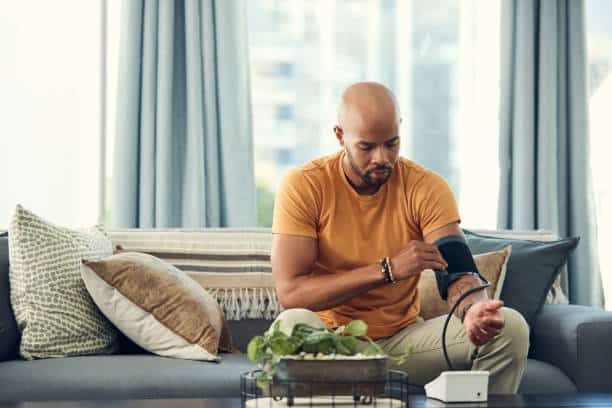
If you are over 50 and you have high blood pressure, which affects Blacks at a higher rate than other ethnic groups, or a health condition for which blood pressure control is essential, at-home blood pressure checks can avert medical emergencies.
The trouble is that too few of these people actually perform them, a new survey reveals.
Of those with blood pressure-related health conditions who didn’t have a home blood pressure monitor, 54% said it was because they didn’t think they needed it or had never considered it.
“This poll shows that we have more work to do to encourage older adults with certain chronic health conditions to monitor their blood pressure,” Alison Bryant, senior vice president of research for AARP says. “We know that the risk of high blood pressure increases with age, so this is an important topic for older adults to discuss with a health provider.”
RELATED: Surprising Factors That Could Be Spiking Your Blood Pressure
“For people with these chronic health conditions, having uncontrolled high blood pressure can substantially increase the risk of death, stroke, heart attack, diabetes complications and kidney failure,” Dr. Deborah Levine, a blood pressure researcher at the University of Michigan, says in a university news release.
The study found that 60% said they were either taking medication to control their blood pressure or had a chronic health condition that requires blood pressure control, such as a history of stroke, heart disease, heart failure, diabetes or chronic kidney disease.
Only about two-thirds of those who had blood pressure-related health conditions who said their health providers encouraged them to check their blood pressure regularly did, according to the poll. Additionally, fewer than half of survey respondents with both a blood pressure-related health condition and a home blood pressure monitor said they checked their blood pressure at least once a week, and 19% said they never used their monitor.
“That’s why national guidelines call for them to check their blood pressures regularly,” Levine adds.
“The more that people with these health conditions can monitor their blood pressure between appointments with their doctor, nurse practitioner or other provider, and share readings digitally or over the phone, the more information their provider will have to counsel and treat them,” Michigan Medicine neurologist Dr. Mellanie Springer, who worked with Levine on the poll shares.
READ: 5 Amazing Foods that Lower High Blood Pressure
The blood pressure readings you get at home are important because they reflect the
true pressure of your heart on a day-to-day basis.
1. Which at-home blood pressure monitor should you buy?
Getting an accurate blood pressure reading starts with the right blood pressure machine. Make sure the machine you purchase meets American Medical Association’s criteria.
Machines that measure your blood pressure on your upper arm are more reliable than those that measure your wrist. You can also opt for machines that store your readings over time and submit them to your doctor, but make sure your doctor checks the machine once a year to ensure the readings are accurate. Only 50% of patients said they reported their readings to their health provider.
RELATED: American Heart Association Releases New High Blood Pressure Guidelines
2. How do you get an accurate reading?
To get the most accurate reading, remember the following:
It’s also important to make sure that the cuff properly fits your arm. Cuffs that are too small can artificially raise your blood pressure. Additionally, some medications and over-the-counter pain relievers can also elevate your blood pressure.
RELATED: How To Check Your Blood Pressure At Home
3. What’s the ideal blood pressure?
Your device will give you a systolic number (the pressure against your artery walls when your heart beats) and a diastolic number (the pressure between beats).
A normal reading is 120/80 or less. If this is your reading, it is not necessary to check your pressure again for at least six months.
If your systolic number is 130 or greater and your diastolic number is 80 or greater, you should talk with your doctor about your risk of heart attack and stroke, especially if you are at higher risk (smoke, have diabetes, etc.)
If your reading is 180 or higher over 110 or higher, you are considered to have extremely high blood pressure and should contact your doctor right away.
The longer your blood pressure is high, the more at risk you are for heart attack and stroke. It is important that you closely monitor your blood pressure on a regular basis. When taking your blood pressure, it is important to remember that blood pressure can fluctuate so one high reading may not be a cause for concern. However, if your overall average for the week is high, it is important to discuss heart-healthy measures you can take to lower your blood pressure. Your doctor may recommend any of the following: medication, getting more exercise, eating plenty of fruits and vegetables, not smoking, reducing salt and alcohol consumption, lowering stress and losing weight.


By subscribing, you consent to receive emails from BlackDoctor.com. You may unsubscribe at any time. Privacy Policy & Terms of Service.