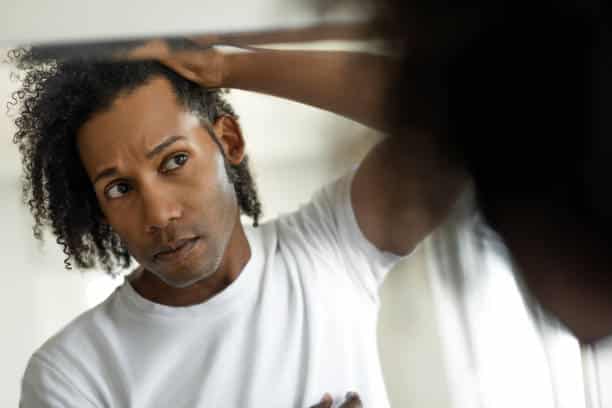
Hair loss and erectile dysfunction (ED) are two common issues that affect men, particularly as they age. Both can have significant impacts on self-esteem and overall quality of life, leading many men to wonder if there is a link between these conditions. While bald spots and ED are usually seen as separate health concerns, research has suggested that they may have more in common than meets the eye.
In this article, we’ll explore:
The causes and mechanisms behind bald spots and erectile dysfunction
Potential links between the two conditions
Lifestyle and treatment options that can help address both issues
Understanding Bald Spots: Causes and Mechanisms
Bald spots and hair thinning, commonly known as androgenetic alopecia (or male-pattern baldness), are primarily influenced by genetics, hormones, and age. Male-pattern baldness often begins with a receding hairline or thinning at the crown and can progress to more extensive hair loss.
Genetics: Family history is a major factor. Certain genes make hair follicles more sensitive to dihydrotestosterone (DHT), a derivative of testosterone.
Hormonal Changes: High levels of DHT, which is formed from testosterone by the enzyme 5-alpha-reductase, shrink hair follicles and reduce hair growth.
Age: Hair follicles naturally shrink over time, leading to a gradual thinning of hair in men over 30.
While the primary cause is genetic, lifestyle factors like stress, poor diet, and lack of exercise can exacerbate hair loss.
Erectile Dysfunction (ED): Causes and Mechanisms
Erectile dysfunction, the inability to maintain an erection firm enough for sexual intercourse, is common, particularly in men over 40. ED can be caused by a complex interaction of physical, psychological, and lifestyle factors.
Key Factors Behind Erectile Dysfunction:
Cardiovascular Health: Blood flow is crucial for an erection, so issues like high blood pressure, cholesterol, and heart disease are often linked to ED.
Hormonal Imbalance: Low testosterone can affect sexual drive and erectile function.
Lifestyle Factors: Smoking, alcohol, and lack of exercise can all contribute to ED.
Psychological Factors: Stress, anxiety, and depression are known contributors to ED.
The Link Between Bald Spots and Erectile Dysfunction
Both baldness and ED have shared risk factors, primarily hormonal imbalances and cardiovascular health. Recent studies have shown that men with early-onset baldness may be more likely to experience ED later in life. Here are some ways these two conditions may be connected:
Hormonal Influence: Testosterone and its byproduct DHT are central in both conditions. While DHT can lead to hair loss, low testosterone levels are commonly associated with ED. The balance of these hormones can affect both hair growth and erectile function.
Cardiovascular Health Connection: Poor cardiovascular health is a risk factor for both baldness and ED. Studies have indicated that men with male-pattern baldness are at higher risk of coronary artery disease. This suggests that the same vascular issues affecting blood flow to the heart and scalp may also impact blood flow to the penis, leading to ED.
Inflammation and Metabolic Syndrome: Chronic inflammation and metabolic syndrome (a cluster of conditions including obesity, high blood pressure, and insulin resistance) are often present in men with both bald spots and ED. Metabolic syndrome increases the risk of cardiovascular disease, which affects circulation in multiple parts of the body, including the scalp and the genital area.
Psychological Impact: Experiencing baldness or ED can lead to stress, low self-esteem, and anxiety, which, in turn, can exacerbate both conditions. Psychological stress triggers the release of cortisol, a hormone that can impact both hair health and sexual function.
Lifestyle and Treatment Options
Addressing bald spots and ED can often require a combined approach that targets hormonal balance, cardiovascular health, and lifestyle changes.
1. Medications:
For Baldness: Finasteride and minoxidil are common medications that help slow or reverse hair loss. Finasteride, however, may sometimes impact sexual function as a side effect.
For ED: Phosphodiesterase type 5 inhibitors (such as Viagra, Cialis) improve blood flow to the penis and are effective for many men.
Low testosterone treatments are available, including testosterone replacement therapy (TRT), which can improve symptoms of both ED and low energy but should be closely monitored by a doctor due to potential risks.
3. Lifestyle Adjustments:
Healthy Diet: A heart-healthy diet, rich in fruits, vegetables, whole grains, and lean proteins, can improve cardiovascular health and reduce DHT levels, potentially helping both baldness and ED.
Exercise: Regular physical activity improves blood circulation and helps maintain a healthy weight, which can benefit both hair and sexual health.
Stress Reduction: Managing stress through techniques like mindfulness, yoga, or therapy can have a positive impact on both hair health and erectile function.
4. Natural and Alternative Treatments:
Supplements: Saw palmetto, biotin, and certain vitamins may promote hair growth, though evidence varies. For ED, supplements like L-arginine, a precursor to nitric oxide, can sometimes improve blood flow.
Topical Treatments: For hair loss, minoxidil is effective for many men. Topical ED treatments are also available for those who do not respond to oral medications.
When to See a Doctor
Men experiencing early or severe hair loss or persistent ED should consult a healthcare provider to rule out underlying health conditions. Conditions like heart disease, diabetes, and hormone imbalances may present with these symptoms as early indicators.
While bald spots and erectile dysfunction can be challenging to address, understanding the underlying causes and possible connections can empower men to take proactive steps. Both conditions are influenced by similar factors—hormonal balance, cardiovascular health, and lifestyle choices—and addressing these factors can improve both hair health and sexual function. Making lifestyle changes, exploring treatment options, and consulting with healthcare professionals can make a significant difference in managing these concerns.
BlackDoctor is the world’s largest and most comprehensive online health resource specifically for the Black community. BlackDoctor understands that the uniqueness of Black culture - our heritage and our traditions - plays a role in our health. BlackDoctor gives you access to innovative new approaches to the health information you need in everyday language so you can break through the disparities, gain control and live your life to its fullest.
✦ AI Search Disclaimer This AI-powered search tool helps you find relevant health articles from the BlackDoctor.org archive. Please keep the following in mind:
✦ For Informational Purposes Only The information provided through this AI search is for general educational and informational purposes only. It is not intended as a substitute for professional medical advice, diagnosis, or treatment.
✦ Always Consult a Healthcare Provider Never disregard professional medical advice or delay seeking it because of something you have read through this search tool. If you have a medical emergency, call your doctor or 911 immediately.
✦ AI Limitations This search tool uses artificial intelligence to help match your queries with articles in our archive. While we strive for accuracy, AI-generated results may occasionally be incomplete, outdated, or not fully relevant to your specific situation.
✦ No Doctor-Patient Relationship Using this search tool does not create a doctor-patient relationship between you and BlackDoctor.org or any healthcare provider.
Explore over 35,000 articles and videos across black health, wellness, lifestyle and culture