With all the constant showing of back-to-school commercials from Target to Staples, it’s pretty clear that back-to-school season is officially in full effect. But, along with purchasing new clothes and new school supplies come vaccinations. If you’re a parent of a young child or teenager, then this is probably at the top of your list to talk with your doctor about.
In recent years, more and more parents have begun questioning just how safe vaccines really are for their children and themselves even. Many parents are somewhat confused when it comes to vaccinations and the effects they can have on their child.
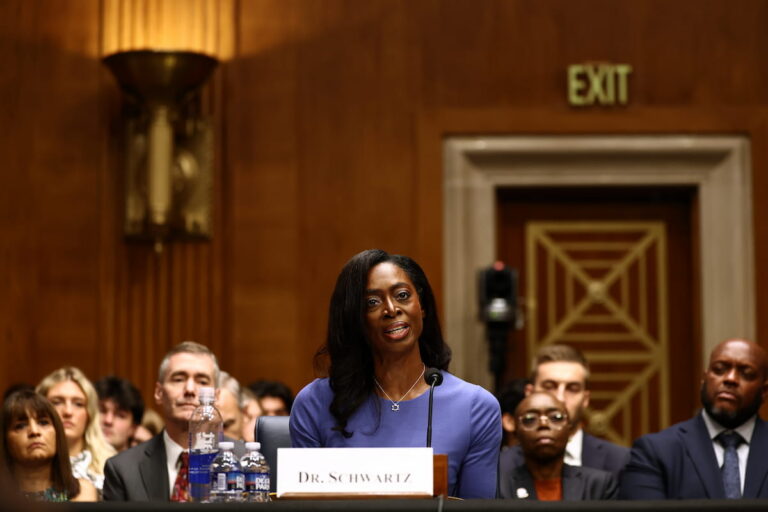
BlackDoctor.org teamed up with Dr. Jennifer Caudle, a board-certified family physician, assistant professor at Rowan University School of Osteopathic Medicine, and on-air health expert (The Dr. Oz Show, CNN, The Tom Joyner Morning Show and more), to help give you more insight as to what you really need to know before your child gets vaccinated.
“Sometimes we hear about personal opinions more than we hear about the actual science and most medical organizations and clinicians with myself included feel very strongly that there is no establishment between vaccines and autism. For the most part, vaccines are very, very safe. There are potential consequences, but that’s with anything. What we know is that being protected from some of these diseases is far more important and greater than the risks of any of these vaccines potentially poses. Just to be very clear, the link between autism and vaccines has not been supported by science and it’s very important that children get their vaccines. Vaccines don’t cause autism.”
“This is really going to come in handy when kids get to high school and college when they need to play sports in school. Oftentimes, parents don’t keep copies of their child’s immunization records, so I recommend that parents keep a personal copy and update it as your child is getting their shots.”
“With the flu shot, for example, a lot of people will say, ‘I don’t really get sick. I’m usually healthy – I don’t get the flu, so I’m not going to get the flu shot.’ One really important thing to keep in mind about the flu shot and so many other shots is that they’re there not only to protect you from infectious diseases, but to protect other people as well. There are some people with weak immune systems or with medical problems that make them particularly vulnerable to certain conditions. It’s important for all of us to get vaccinated to protect everyone. And that goes for all shots.”
“My biggest thing is when parents have questions about vaccines, such as, “Doctor, what are the side effects?” and “Could this potentially harm my child?” it’s important to not make assumptions, but to actually go into the office and have a frank conversation with your doctor.”
“Some of the more common side effects of vaccines can be a little pain at the sight where the child received the injection. It can be painful for a couple days – they may need a little Tylenol to help relieve some of that pain. You want to check with your doctor to see what can be given to your child to help them. That’s not the only potential side effect, but it’s certainly the most common. Again, vaccines for the most part are very safe.
There are some people that shouldn’t get certain vaccines, so when you take your child to the doctor, he or she will be able to look at your child and his or her medical condition and then really match up which vaccines are important and which ones are not. If your child has a weakened immune system, if your child is really ill – say they have a fever – at the time they’re supposed to get a shot, or if your child has other medical conditions, this may change what shots we give them. Those are the three main things that would make a doctor say, ‘Maybe we should hold off this shot today.’”
“Let’s say your child misses a vaccine. Not all hope is lost because we can what we call ‘catch your child up.’ So, we want to make sure that children get their vaccines on time – that’s the most important thing because that really is what helps children and everyone else stay as healthy as possible. Put in on your calendar and give yourself a reminder, but if your child did miss a vaccine or you weren’t able to make an appointment, your child can get caught up so not all hope is lost.”
“Vaccination is good and we want people to get vaccinated. A lot of people are very reluctant by nature because they’re afraid it’s going to make them sick and I definitely understand that. We should be cautious and educated about what’s going into our bodies. However, most vaccines don’t make you sick and my overall message is not for parents to be cautious and avoidant. I want them to go to the doctor and show up for vaccines, but if they have questions, rather than people assuming, I want them to talk to their doctor first. That’s what I want people to do.
There are so many myths about vaccines – it’s one of those topics and it’s really important not to perpetuate them but deal strictly with facts. The truth of the matter is that vaccines save lives. Today, we have all these epidemics, but we really shouldn’t. We have vaccines and when people choose not to get vaccinated, it opens up room to get infectious diseases that were once eradicated.
Remember, people can die from the measles and the flu – I don’t know why people don’t think about this. Hundreds of thousands of people get hospitalized every year. People die from it. And while a healthy person says, ‘I’m always healthy. I’m fine,’ well, the next person with a weak immune system or a cancer patient may not be as healthy and if you get sick, you may not be laid out for days, but if you pass it on to another person, they may become deathly ill. And that’s the thing people don’t often think about.”


By subscribing, you consent to receive emails from BlackDoctor.com. You may unsubscribe at any time. Privacy Policy & Terms of Service.