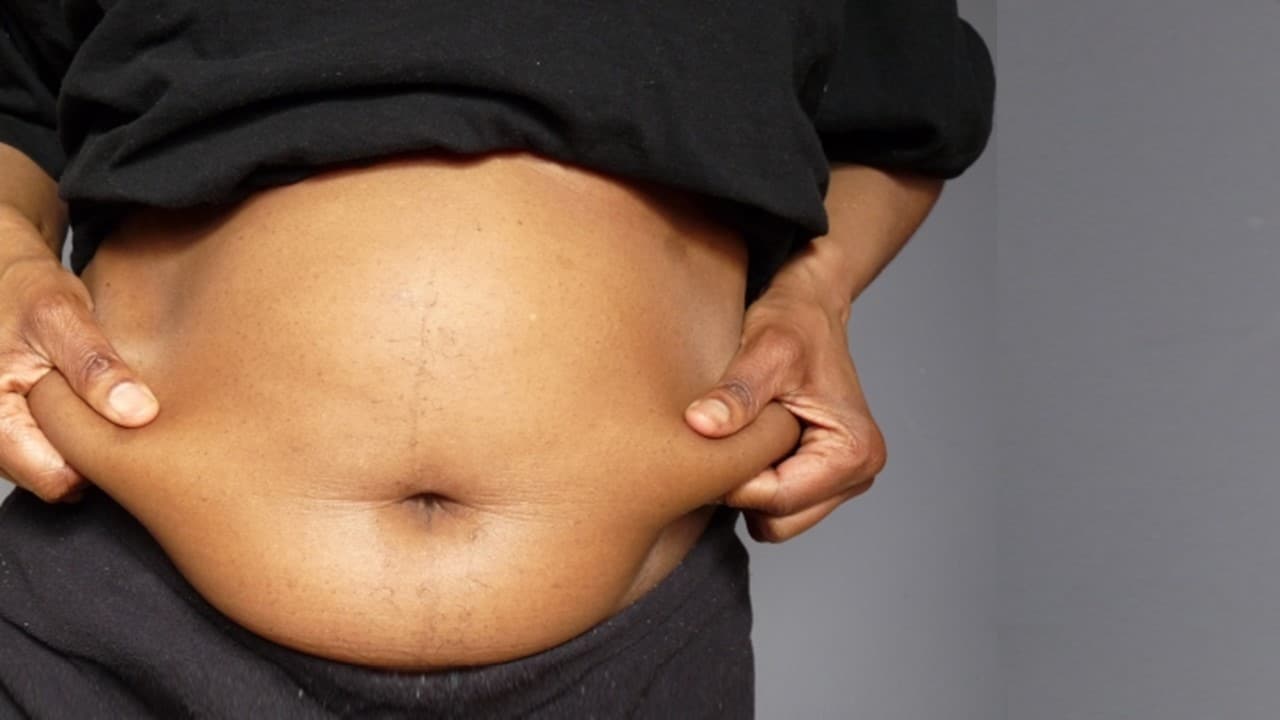
Two-thirds of Black men are overweight or obese. But this is one case where following the crowd is not the best idea, because extra weight—especially belly fat—can be risky. And while women often put on extra pounds in the hips, thighs and legs, men are much more likely to gain belly fat.
Although the link between belly fat and health is not entirely clear, experts do know that people with a lot of belly fat are at higher risk of health problems than are people who accumulate fat in other areas—and men are more likely than women to put on weight around the waist.
You may think that belly fat is limited to the stuff out front that you can grab with your hand—but it’s the fat you can’t see that’s really a cause for concern. Visceral fat lies deeper inside the abdomen, surrounding the abdominal organs.
Gaining this type of fat has been linked to cardiovascular disease, diabetes and other health problems. Subcutaneous fat, located between the skin and the abdominal wall, is more visible but also less likely to be a health risk.
Our bodies are designed to store fat for release during times when there is not enough food. But when we put on weight and never have these lean times, fat cells begin to release fat molecules into the blood at a higher rate. This affects normal metabolism and the way the body uses insulin. These metabolic changes can worsen or increase your risk of health problems, including:
• Heart disease
• Some type of cancers
• Diabetes
• Metabolic Syndrome
• Gall bladder problems
• High blood pressure
• Sleep apnea
• Abnormal lipids—High triglycerides and low HDL (good cholesterol)
• Insulin resistance
Men tend to put on more belly fat as they get older. While some men struggle with weight their whole life, a lot of men start to notice their increasing waistline in their 30s— and gradually put on pounds as the years go by. For many men, the eating and exercise habits that kept them thin in their youth are just not enough to keep the weight off as they get older. The solution? As you get older, you have to change the way you eat and how active you are to stay slim or loose weight.
The only tried-and-true method to lose fat of any kind is to:
Reduce the amount of calories you take in. You can do this by eating smaller amounts of food, or stick to foods that have fewer calories.
Burn fat by making physical activity part of your daily routine. (This must be above what you already do especially if your work is that of a physical nature.)
To accomplish the above two fat-fighting goals:
Monounsaturated fats (MUFAs for short) come from the health oils found in plant foods such as olives, nuts and avocado. MUFAs have been linked to overall weight loss in studies published in the British Journal of Nutrition, which found that a MUFA-rich diet helped lose small amounts of weight and body fat without changing their calorie intake. Another report found that a breakfast high in MUFas could boost calorie burn for 5 hours after the meal, particularly in people with higher amounts of belly fat.
However, it’s the additional health benefits that make this type of dietary fat so unique. Not only can it prevent and control type 2 diabetes and reduce the risk or heart disease ( by lowering “bad” LDL cholesterol levels and boosting the good HDL), but a Italian study found that diets high in MUFAs from nuts and olive oil also helped reduce markers for inflammation, a known trigger for aging and disease.
Consume four 400-calorie meals a day (at the same time each day). Significant weight loss requires calorie control and consistency. For the average woman 1600 calories per day is ideal because it’s low enough to create weight loss while maintaining energy and preserving calorie-burning muscle.
Have a meal every 4- 5 hours to help control your blood sugar and hunger and keep your metabolism in high gear
What you put in your mouth is only half the equation. The other is your attitude toward food and eating. Put these tips into practice.
This emotion causes a spike in the hunger-stimulation hormone cortisol, sending you straight for the sweets. And when cortisol is high, extra calories are deposited directly as belly fat.
Among people who have lost weight and kept it off, 70 % reported having strong social support, compared with only 38% of those who lost and regained weight. Recruit others to join you (or encourage you).
Keep a food diary, but don’t just record what and how much you eat. Journaling about your feelings can help you identify what triggers you to eat and why, so you can break unhealthy habits for good. The saying goes a flat stomach is made in the kitchen not the gym!
While calorie intake is the main cause of stomach fat, it’s only half the equation of the solution. The other half is exercise to lose stomach fat.
Most people are familiar with crunches and sit-up exercises that specifically target your midsection. The downside is these exercises don’t directly help you lose belly fat. They build up your abdominals underneath the fat.
You’ll want to concentrate on exercises that will burn belly fat, and build lean muscle. Building muscle at the same time you’re burning fat is a true “secret” to losing belly fat. Routines such as circuit training, aerobics and other combo body workouts will do this for you.


By subscribing, you consent to receive emails from BlackDoctor.com. You may unsubscribe at any time. Privacy Policy & Terms of Service.