Many foods that tend to be favorites among men aren’t necessarily the best choices for good health. Just like women, men need certain nutrients, and a healthy diet and regular physical activity can help prevent heart disease and cancer, the No. 1 and No. 2 killers for men over 35.
Eating the right foods can also enhance performance, as well as maintain muscle mass and prevent prostate cancer. But what are these foods?
LIKE BDO On Facebook! Get Your Daily Medicine…For Life!
“Nutrients that are good for the heart improve circulation to all parts of the body, and these same nutrients provide a layer of protection against cancer and other chronic diseases,” says Christine Gerbstadt, a Florida-based physician and spokesperson for the American Dietetic Association.
No. 1: Oysters
Are oysters really the food of love? Well, it’s true that just a few oysters each day will deliver a full day’s supply of the antioxidant mineral zinc, which is involved in hundreds of body processes, from producing DNA to repairing cells.
“Research shows that adequate zinc may protect against cellular damage that leads to prostate cancer,” says Grotto. “Sexual functioning of the male reproductive system, including increased sperm counts, is also enhanced with zinc.”
What To Eat: In addition to oysters, you can also get your daily recommended dose of 11 milligrams a day by eating other shellfish, lean beef, lean pork, or legumes.
No. 2: Bananas
Bananas are a great portable source of quick energy and are rich in potassium, which is needed to regulate nerves, heartbeat and, especially, blood pressure. Diets rich in potassium and magnesium (which is also found in bananas) can reduce the risk of stroke. As a super source of vitamin B-6, bananas can also aid your immune system, help form red blood cells, ensure a well-functioning nervous system, and assist protein metabolism.
What To Eat: So enjoy a banana each day, at breakfast on your whole grain-cereal or before your workout at the gym. Not a banana fan? Orange juice, milk, tomato products, and beans are other good sources of dietary potassium.
No. 3: Fatty Fish
No list of superfoods would be complete without the healthy fat, omega-3 fatty acids.
“Omega-3 fatty acids are potent anti-inflammatory foods that can help lower triglyceride [blood fat] levels, reduce aches and pains in athletes, and offer relief with certain kinds of arthritis,” says Bauer.
“Fatty fish are also a good source of vitamin D, a nutrient that tends to be deficient in our diets and can help prevent cancer, type 2 diabetes, high blood pressure and bone disease,” says Bauer.
What To Eat: Fatty fish (salmon, sardines, tuna, mackerel, herring) are the richest sources of omega-3 fatty acids. In fact the American Heart Association recommends that everyone eat fish twice weekly.
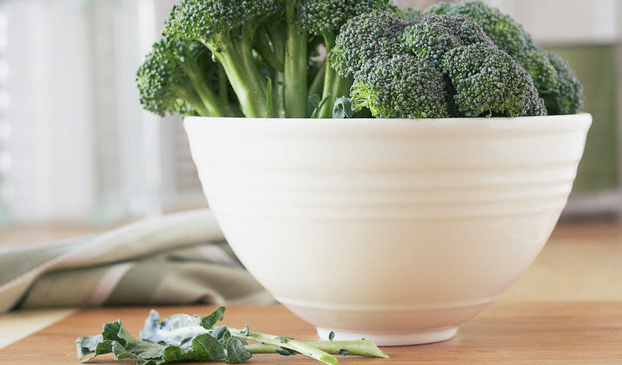
No. 4: Broccoli
Cruciferous vegetables like broccoli are helpful in preventing heart disease and cancer. They’re loaded with vitamin C, beta-carotene, potassium, and a phytochemical called sulphoraphane, which has strong anticancer (prostate and colon) properties.
A recent Harvard study found that participants who had five servings a week of cruciferious vegetables were half as likely as others to develop heart disease, stroke and bladder cancer, a cancer that affects two to three times as many men as women.
What To Eat: Don’t care for broccoli? Go for other cruciferous choices like cabbage, bok choy, shredded broccoli slaw, cabbage, cauliflower, or Brussels sprouts.
No. 5: Brazil Nuts
These large nuts from Brazil are packed with magnesium and selenium, powerful antioxidants that may help prevent heart disease and cancer and protect prostate health.
Selenium also helps lower LDL or “bad” cholesterol and reduces the incidence of blood clots and heart disease.
What To Eat: Grotto recommends adults get 55 micrograms of selenium daily from Brazil nuts, dry-roasted nuts, turkey, tuna, or shellfish. Be sure not to overdose – one or two brazil nuts is all you need!
No. 6: Whole Grains
Most men get enough carbs in their diets, but they tend to be the wrong kind, experts say.
“A diet rich in whole grains provides fiber, vitamins, minerals – all the co-factors for heart health, building muscles, and keeping waistlines small,” says Gerbstadt.
What To Eat: She suggests trying whole grain pasta or quinoa, a trendy, not-so-whole-grain-tasting grain that’s rich in lutein for prostate health. Oatmeal and barley are rich in soluble fiber, full of B vitamins that can help lower LDL or “bad” cholesterol, and are also good for the prostate. Suzanne Farrell, RD, recommends getting 10-25 grams of soluble fiber a day from oatmeal or other sources of soluble fiber like apples, pears, and beans.
When buying grain products, look for those whose labels say they have at least 3-5 g fiber per serving. To avoid digestive problems, increase your fiber intake gradually, and don’t forget to drink plenty of water.
No. 7: Plant Stanols
Stanols are naturally occurring substances in fruits and vegetables that have been shown to lower mildly elevated blood cholesterol levels. Manufacturers are now adding concentrated versions of them to products like margarine, yogurt, orange juice, and granola bars.
What To Eat: Men should regularly include a total of 2 grams of plant stanols, taken in two doses with meals, to help inhibit absorption of cholesterol in the intestine. Experts suggest having 2-3 teaspoons of plant stanol spreads such as Benecol, or 16 ounces of stanol-fortified orange juice per day. Plant stanols can safely be used with cholesterol lowering medication.
Food for Men No 8: Soybeans
Soy is rich in isoflavones, which protect prostate health and have been shown to lower prostate cancer risk, says Gerbstadt. And “according to a recent study, eating 25 grams or about 1 ounce of soy protein a day can help decrease cholesterol,” Farrell says.
The FDA has approved a health claim for food labels that says having 25 grams of soy protein per day, as part of a diet low in saturated fat and cholesterol, can help reduce the risk of heart disease.
What To Eat: Try to eat a few servings a day of soy products, such as soy nuts, soy milk, soy cheese, veggie burgers, tofu, or edamame.
No 9: Berries or Cherries
The violet, blue, and red colors in all kinds of berries and cherries are responsible for the healthy properties of these fruits. These little jewels are chock-full of the health-protecting flavonoid, anthocyanin. Adding berries to the diet may even help slow the decline in brain function that can occur with aging.
What To Eat: “Berries contain over 4,000 different compounds that have antioxidant properties beyond vitamin C, so make sure you include these delicious and low-calorie fruits to help meet your 5+ servings of f
ruits each day,” says Gerbstadt.
No 10: Red-Orange Vegetables
Vitamin C and beta-carotene are antioxidants that help preserve healthy skin cells and prevent oxidation from the sun. “Vitamin C is involved in collagen production,” says Bauer. “Beta-carotene converts to the active form of vitamin A, which helps to repair epithelial or skin cells.”
What To Eat: She recommends getting these nutrients from red bell peppers (just one has 300% of the recommended daily value for vitamin C), carrots, pumpkin, or sweet potatoes.
Eat well!


By subscribing, you consent to receive emails from BlackDoctor.com. You may unsubscribe at any time. Privacy Policy & Terms of Service.