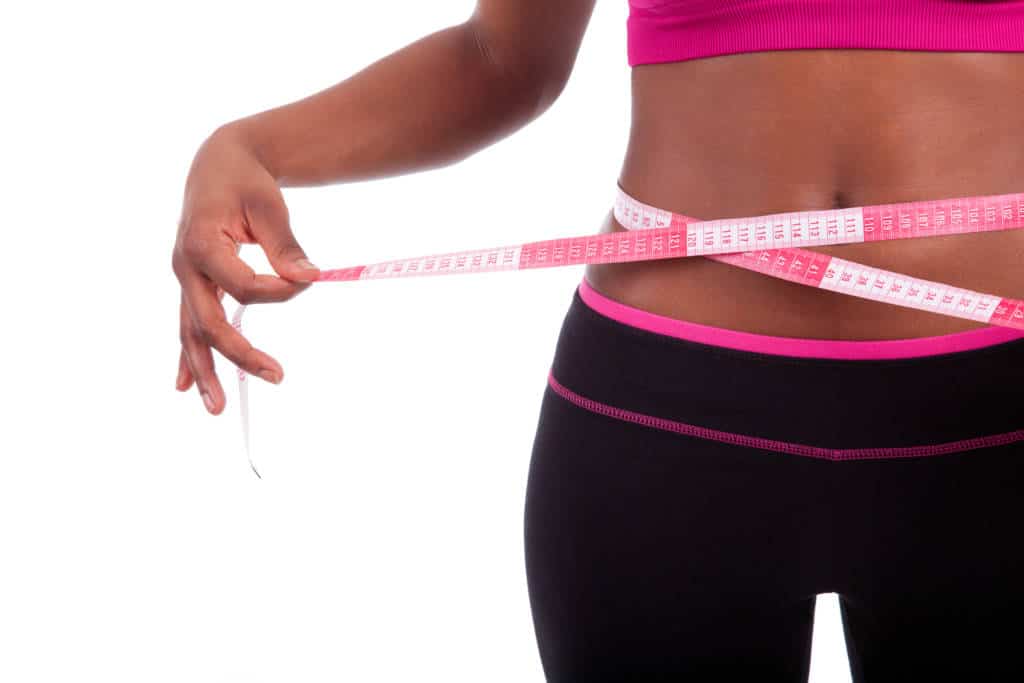
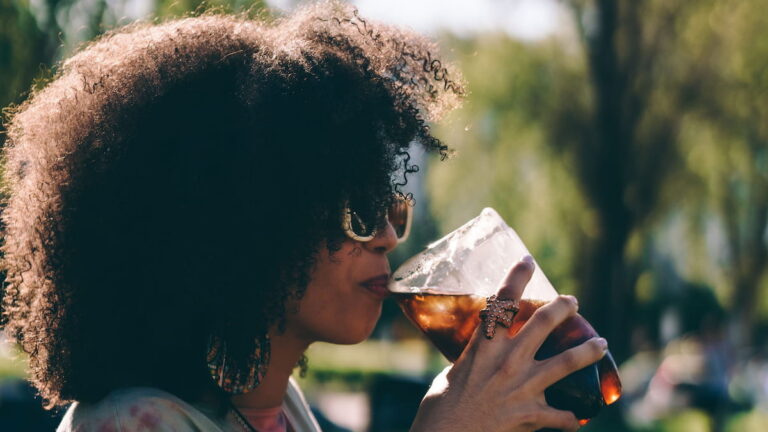
We’ve all been hunkered down at home for a long time now. The pandemic has changed the way we work and live. Gyms have closed, and those that have re-opened have restrictions. Working from home means being around food all day long. The stress of COVID – 19, the election saga, the economy, home-schooling and more has led to eating more and imbibing more. So, the pounds have crept on. What can we do to get them off, and keep them off?
The first thing to do is to develop a new mindset. Look at this time as an opportunity to change your lifestyle for the better. For many, the pandemic has been a time for reflection on what really matters. And our health really matters.
To lose weight, it takes eating right, exercise, getting proper hydration, and enough sleep. According to most experts, eating right and getting proper nutrition is the most important step to take. And during these times, it can be the hardest. Or, with the right mindset, it can be a creative step to engage in.
At the start of each New Year, advertisements for weight loss programs ramp up. A structured program may be right for you. Counting points, calories or charting everything you eat certainly works for many people. Specialized diets like Keto may also work. However, if you are like me, I prefer a simpler approach. I’ve researched articles from the Mayo Clinic, WebMD, EatingWell, Prevention, Psychology Today, and the New York Times for tips. Here is a summary of some of the top tips I’ve found:
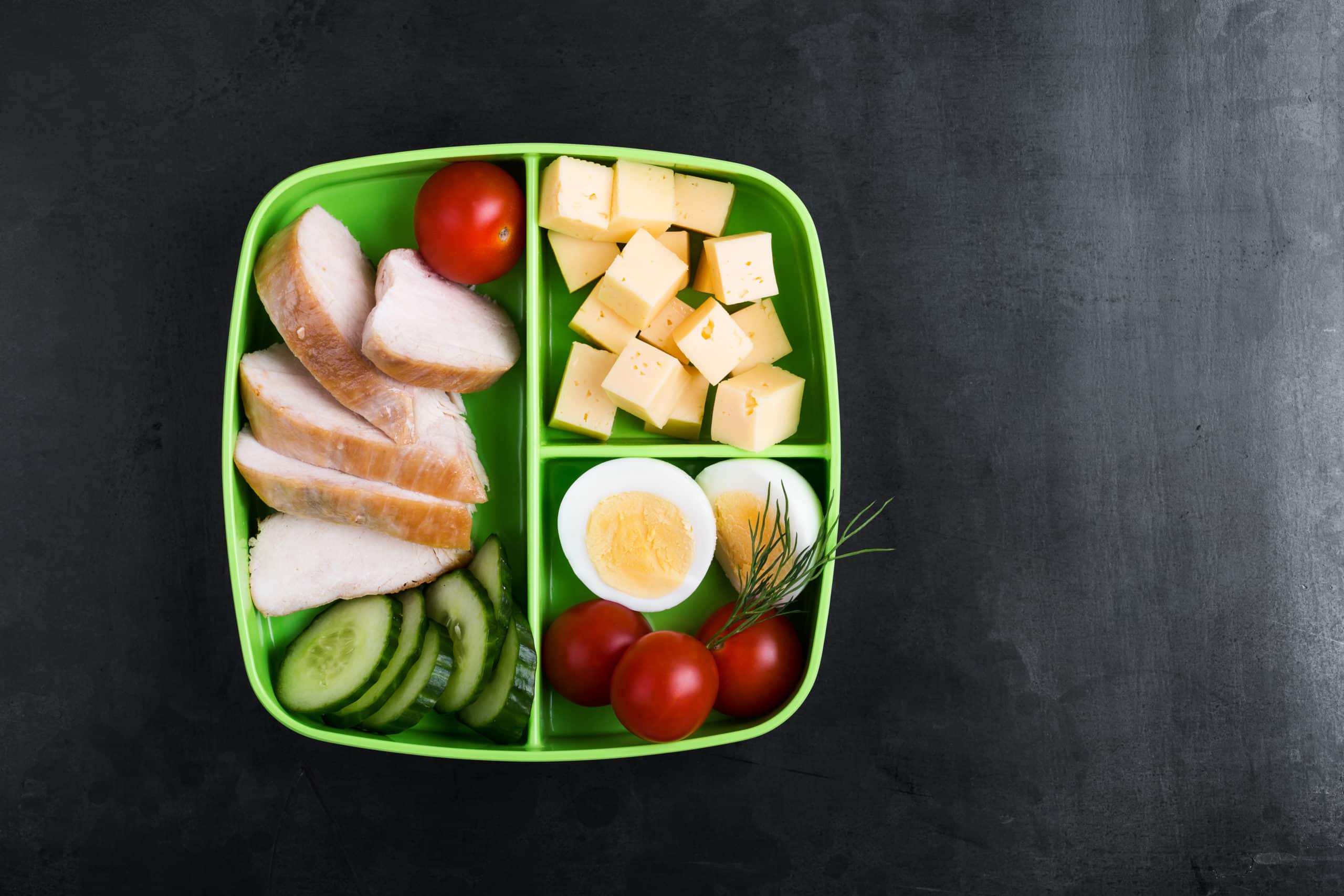
Watch your portions. A balanced plate should contain 50% vegetables and fruits, 25% proteins and 25% whole grains.
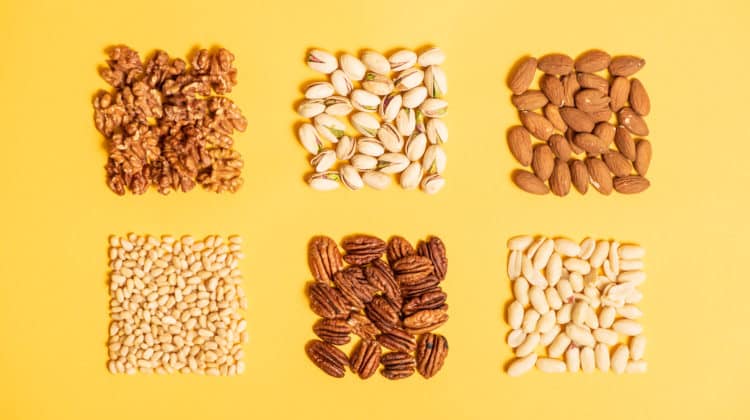
Clear your kitchen of junk foods. This reduces the temptation to binge eat. Instead, stock up on nutritious foods and snacks like cut vegetables, nuts, fresh fruits, sea salt popcorn, dark chocolate and more. Research good-for-you snacks and put some on your shopping list.
Eat more fiber. This is key, because fiber is the non-digestible part of a carbohydrate that adds bulk to food. When eaten, fiber swells in the stomach. Therefore, when you follow a diet rich in fiber, you feel full after eating and you’ll generally eat less throughout the day, leading to weight loss. Fruits, vegetables, whole grains, beans, legumes, nuts and seeds are rich in fiber. Soup is a great way to get more fiber. Throw that rotisserie chicken carcass in a pot, put in lots of vegetables and seasonings and you have delicious and fiber rich chicken soup!
Try Intermittent Fasting. I’m doing this and it is a lot easier than you think. You choose the hours of the day that you eat, you eat healthy foods in reasonable portions and that’s about it. You are eating less. Simple. No more eating 5-6 meals a day or eating every 2-3 hours. There are several Intermittent Fasting plans available; do your research and find one that appeals to you.
Change your habits. Don’t sit in front of the TV and binge eat. Go for a walk instead. Call a friend. Learn a new skill, a new language. Exercise!
Exercise is important as always. And while at home, there are so man virtual options to choose from. Yoga is a great stress reliever, and there are many cardio and strength options to choose from. It’s important to combine cardio and strength training to lose weight. Often people overdo cardio. Too much cardio can make you hungry, and then you overeat! Strength training is great because the effects last longer on your metabolism, burning more fat longer. Strive for strength training 2x/week and cardio 3x a week. For all you “Buss it Challenge” ladies out there—no matter what your size, you have to be healthy and in shape to do it! https://www.youtube.com/watch?v=ArpV41baY-8
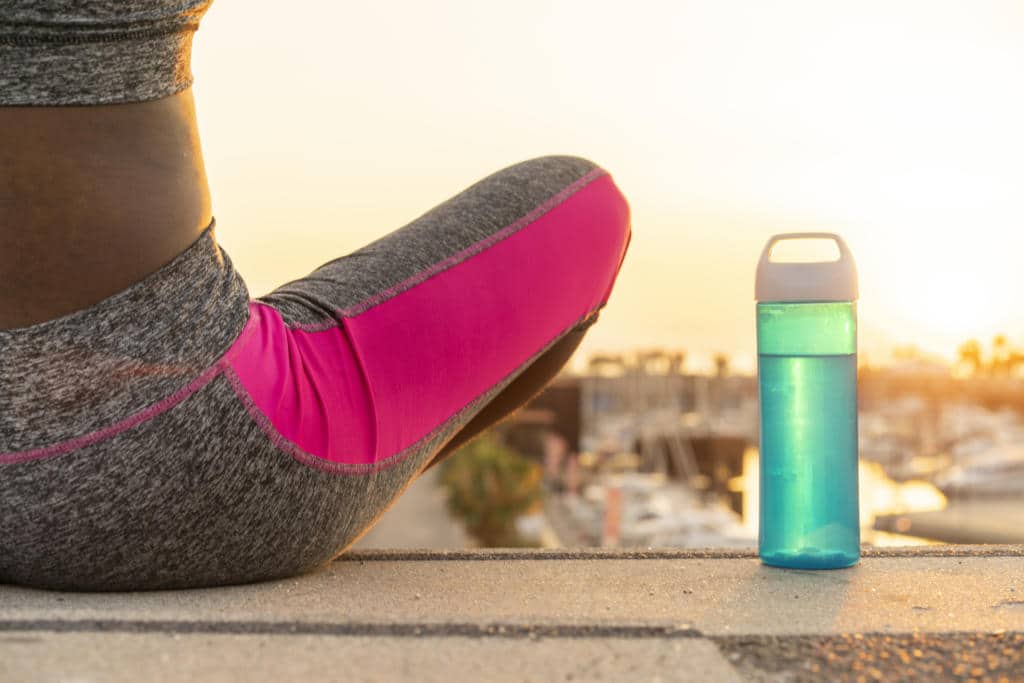
Get enough hydration. Are you drinking enough water? Sometimes when you feel hungry, you are actually thirsty. Your metabolism also naturally slows down when you’re thirsty. As shown in a small study from The Journal of Clinical Endocrinology and Metabolism, 17 ounces of water (around two glasses) can increase the metabolism by 30%, which is substantial when you’re looking to lose weight. I’ve been using this measuring water bottle recently, and it really helps keep my water intake on track. They come in different sizes. Did you also know that drinking enough water helps you sleep better?
Which brings me to: Get more sleep! According to WebMD, Being short on sleep can really affect your weight. When you’re short on sleep, it’s easy to lean on a large latte to get moving. You might be tempted to skip exercise, get takeout for dinner, and then turn in late because you’re uncomfortably full.
More than a third of Americans aren’t getting enough sleep on a regular basis. Yet experts agree that getting enough sleep is as important to health, well-being, and weight as are diet and exercise. When you skimp on sleep, your brain is set up to make bad decisions. It’s a little like being drunk. You don’t have the mental clarity to make good decisions.
When you’re overtired, your brain’s reward centers crank up, looking for something that feels good, like that second slice of cake. A study in the American Journal of Clinical Nutrition found that when people were starved of sleep, late-night snacking increased, and they were more likely to choose high-carb snacks.
Sleep is like nutrition for the brain. Most people need between 7 and 9 hours each night. Get less than that, and your body will react in ways that lead even the most determined dieter straight to Ben & Jerry’s. Pistachio-Pistachio anyone? My favorite.
With just 4 days of insufficient sleep, your body’s ability to process insulin — a hormone needed to change sugar, starches, and other food into energy — goes out of balance. When your body doesn’t respond properly to insulin, your body has trouble processing fats from your bloodstream, so it ends up storing them as fat.
So, it’s not so much that if you sleep, you’ll lose weight, but that too little sleep hampers your metabolism, and contributes to weight gain.
BlackDoctor is the world’s largest and most comprehensive online health resource specifically for the Black community. BlackDoctor understands that the uniqueness of Black culture - our heritage and our traditions - plays a role in our health. BlackDoctor gives you access to innovative new approaches to the health information you need in everyday language so you can break through the disparities, gain control and live your life to its fullest.
✦ AI Search Disclaimer This AI-powered search tool helps you find relevant health articles from the BlackDoctor.org archive. Please keep the following in mind:
✦ For Informational Purposes Only The information provided through this AI search is for general educational and informational purposes only. It is not intended as a substitute for professional medical advice, diagnosis, or treatment.
✦ Always Consult a Healthcare Provider Never disregard professional medical advice or delay seeking it because of something you have read through this search tool. If you have a medical emergency, call your doctor or 911 immediately.
✦ AI Limitations This search tool uses artificial intelligence to help match your queries with articles in our archive. While we strive for accuracy, AI-generated results may occasionally be incomplete, outdated, or not fully relevant to your specific situation.
✦ No Doctor-Patient Relationship Using this search tool does not create a doctor-patient relationship between you and BlackDoctor.org or any healthcare provider.
Explore over 35,000 articles and videos across black health, wellness, lifestyle and culture