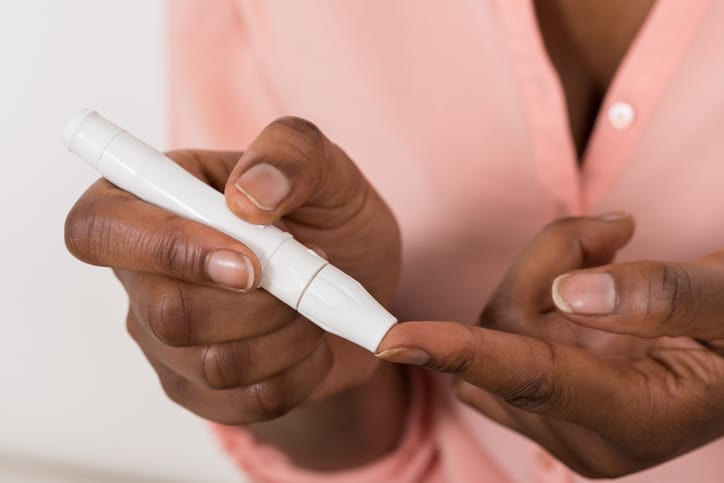
Lifestyle changes, including healthy food choices and physical activity, are always at the forefront of diabetes management. But when diet and physical activity alone are not enough to keep your blood glucose—also called blood sugar, at safe levels you may need diabetes medicines. In fact, 9 out of every 10 people with diabetes require diabetes medications, insulin injections, or both to keep blood glucose levels on target. The American Diabetes Association (ADA) recommends a blood glucose target of 80 – 130 mg/dl before meals and less than 180 mg/dl 1-2 hours after meals. Keeping your blood glucose levels as close to the ADA guidelines as possible can prevent or slow the progression of serious diabetes complications.
There are many diabetes medicines available, and different people need different meds depending on the type of diabetes they have. Your aunt’s diabetes may be different from your friend’s so their medicine may be different as well. The result is that there are a lot of myths and misinformation about diabetes medicines.
Here are 6 of the most common diabetes medication myths and the reality.
1. Myth: Once you start taking diabetes medicine you can never stop.
Reality: There are temporary conditions such as surgery that cause elevated glucose levels. After surgery with continued emphasis on healthy eating habits and regular physical activity, glucose levels may be controlled without medication. On the other hand, bariatric surgery for weight loss reduces blood glucose levels. After bariatric surgery 78 percent of people with type 2 diabetes go into remission and no longer require diabetes medications.
2. Myth: If you don’t take diabetes medicine your diabetes must not be serious.
Reality: Not everyone who has diabetes takes diabetes medicine. If the body produces some insulin, weight loss, healthy eating habits, and regular physical activity can help insulin work more effectively. However, diabetes does change over time, and diabetes medicine may be needed later.
3. Myth: Once you start taking diabetes medicine you can eat anything you want.
Reality: Your diabetes medicine is more effective when you follow a healthy eating plan. Also, when eating healthy, you might not need as much medicine to lower your blood glucose levels.
4. Myth: Insulin pills can help control diabetes.
Reality: Insulin is a protein; it cannot be taken by mouth because the stomach would not digest it. Insulin must be given by injection, insulin pump through the skin or inhaled. Diabetes pills help by making the body produce more insulin, use its own insulin better, produce less blood glucose from the liver, or limit carbohydrate absorption after a meal.
5. Myth: If I fail to manage my diabetes I will need insulin.
Reality: Most people with type 2 diabetes will eventually need to use insulin because diabetes is a progressive disease that changes over time. If diabetes pills no longer keep your blood glucose levels in a safe range, it is not your fault.
6. Myth: Insulin is a cure for diabetes.
Reality: Insulin is not a cure for diabetes. At this point, there is no cure; there are only medicine and behaviors that can control diabetes. Insulin helps to control diabetes by keeping the blood glucose from rising.

Constance Brown-Riggs, MSEd, RD, CDE, CDN is a registered dietitian, certified diabetes educator, national speaker and author of The African American Guide to Living Well with Diabetes.. She is Dannon One Yogurt Every Day Nutrition Advisor.


By subscribing, you consent to receive emails from BlackDoctor.com. You may unsubscribe at any time. Privacy Policy & Terms of Service.