Menu

Black People Have the Most Distrust of Clinical Research — Here’s Why

Table of Contents
clinical research
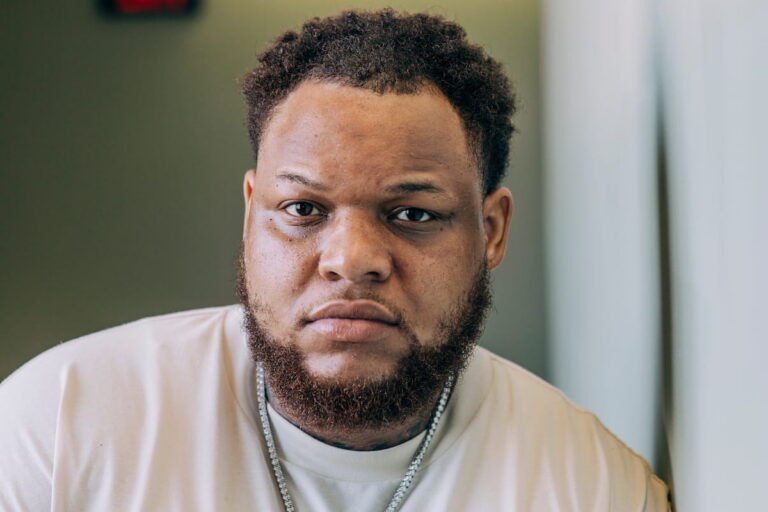
Photo by Mufasa

Clinical research helps scientists determine whether new medications, medical devices, or treatments are safe and effective. When Black patients are underrepresented in clinical trials, it becomes more difficult to understand how therapies work across diverse populations. Increasing participation isn’t simply about boosting enrollment — it helps ensure that future treatments are effective and equitable for everyone.

small survey from 2024 revealed that many Black Americans harbored distrust towards medical research (more than their non-Black counterparts), potentially hindering their participation in clinical trials. This reluctance stems from a complex interplay of historical, cultural, and personal factors.

Historical Mistrust

While the Tuskegee Syphilis Study remains one of the most well-known examples of unethical research, it was not an isolated event. Decades of unequal treatment and discrimination within the healthcare system have contributed to ongoing skepticism among many Black Americans.

Featured on BlackDoctor

Today, however, clinical trials operate under strict ethical guidelines designed to protect participants. Institutional Review Boards (IRBs), informed consent requirements, and federal oversight help ensure that volunteers understand the study, its risks, and their rights before participating.

RELATED: 7 Reasons Black People Don’t Participate in Cancer Clinical Trials

Spiritual Beliefs

Faith plays a critical role in health decision-making within many Black communities. Rather than viewing spirituality and medicine as opposing forces, many people integrate both into their healthcare decisions — including whether or not they participate in clinical research. Open conversations that acknowledge a person’s beliefs while explaining how research works can help patients feel more comfortable considering a clinical trial.

Fear of Exploitation

There is a fear among some Black Americans that they may be exploited or harmed in the name of medical research. This fear can be exacerbated by a lack of transparency and understanding about the research process and potential risks and benefits. Historical instances of medical experimentation on marginalized populations, coupled with ongoing disparities in healthcare access and quality, contribute to this fear.

Clinical trial participants have the right to ask questions, discuss the study with family members or trusted healthcare providers, and leave a study at any time without affecting their regular medical care. Understanding these protections can help patients make informed decisions that align with their personal values.

multiple sclerosis clinical trials

Cultural and Social Barriers

Cultural and social barriers can also hinder participation in clinical trials.

These barriers may include:

  • Lack of access to information: Many Black Americans may not have access to information about clinical trials or may not understand the benefits and risks.
  • Limited physician recommendations: Research has shown that many patients never hear about clinical trials from their healthcare providers. If a doctor doesn’t discuss research opportunities, patients may never know they’re eligible.
  • Transportation and logistical challenges: Access to healthcare facilities, particularly for those in rural areas, can be a significant barrier.
  • Financial constraints: The costs associated with participating in a clinical trial, such as transportation and lost wages, can be prohibitive for many Black Americans.
  • Language and literacy barriers: Language barriers and low health literacy can hinder understanding of clinical trial information and the informed consent process.

Why Representation in Clinical Trials Matters

Clinical trials are designed to answer important questions about new treatments, but those answers are strongest when participants reflect the diversity of the people who will ultimately use them. Black Americans experience higher rates of several serious health conditions, including certain cancers, high blood pressure, diabetes, and kidney disease. Without adequate representation in research, scientists may have less information about how treatments perform across different populations.

Greater participation in clinical trials also helps researchers identify differences in treatment response, side effects, and dosing that may otherwise go unnoticed. By including people from diverse backgrounds, clinical trials can produce findings that are more applicable to real-world patients and help reduce longstanding health disparities.

RELATED: Why Black People Are Underrepresented in Clinical Trials

Overcoming Barriers and Building Trust

To address these challenges and encourage greater participation in clinical trials among Black Americans, it is essential to:

  • Build trust: Healthcare providers and researchers must prioritize trust-building with Black communities through open, honest communication, transparency, and respect.
  • Educate and inform: Provide clear and concise information about clinical trials, addressing concerns and misconceptions. Use culturally appropriate language and materials to ensure effective communication.
  • Involve the community: Collaborate with community leaders, organizations, and faith-based institutions to disseminate information and foster trust.
  • Increase diversity in clinical research: Recruit and train a diverse workforce of researchers and healthcare providers to reflect the communities they serve. Diverse research teams can build stronger relationships with participants and address cultural nuances.
  • Address systemic barriers: Work to eliminate barriers, such as limited access to healthcare and insurance coverage, that hinder participation. Advocate for policies that promote equitable access to clinical trials.

By taking these steps, we can work towards a future where Black Americans are more likely to participate in clinical trials and benefit from the latest medical advancements.


SHARE
Related Stories
Answer the question below
How do your past experiences with healthcare affect your interest in COPD clinical trials? Response options:

Get our Weekly Newsletter

Stay informed on the latest breakthroughs in family health and wellness. Sign up today!

By subscribing, you consent to receive emails from BlackDoctor.com. You may unsubscribe at any time. Privacy Policy & Terms of Service.

More from BlackDoctor

Where Culture Meets Care

BlackDoctor is the world’s largest and most comprehensive online health resource specifically for the Black community. BlackDoctor understands that the uniqueness of Black culture - our heritage and our traditions - plays a role in our health. BlackDoctor gives you access to innovative new approaches to the health information you need in everyday language so you can break through the disparities, gain control and live your life to its fullest.
✦ AI Search Disclaimer
This AI-powered search tool helps you find relevant health articles from the BlackDoctor.org archive. Please keep the following in mind:
✦ For Informational Purposes Only
The information provided through this AI search is for general educational and informational purposes only. It is not intended as a substitute for professional medical advice, diagnosis, or treatment.
✦ Always Consult a Healthcare Provider
Never disregard professional medical advice or delay seeking it because of something you have read through this search tool. If you have a medical emergency, call your doctor or 911 immediately.
✦ AI Limitations
This search tool uses artificial intelligence to help match your queries with articles in our archive. While we strive for accuracy, AI-generated results may occasionally be incomplete, outdated, or not fully relevant to your specific situation.
✦ No Doctor-Patient Relationship
Using this search tool does not create a doctor-patient relationship between you and BlackDoctor.org or any healthcare provider.
Explore over 35,000 articles and videos across black health, wellness, lifestyle and culture
Full AI Search Experience >
×

Download PDF

Enter your name and email to receive the download link.