
Arthur Ashe accomplished many firsts in his lifetime, breaking racial barriers and leaving an enduring legacy in both sports and social activism. His journey from a young boy with a passion for tennis to a world-renowned athlete and humanitarian is both inspiring and tragic.
Born on July 10, 1943, in Richmond, Virginia, Arthur Ashe grew up during a time of racial segregation. Despite facing numerous challenges, he developed a love for tennis at an early age. He was coached by Dr. Robert Walter Johnson, a mentor to many Black tennis players, including Althea Gibson, who was the first Black woman to win a Grand Slam title.
In 1963, Ashe made history as the first Black player to compete for the U.S. Davis Cup team. This achievement was groundbreaking at a time when professional tennis was still largely segregated. His success on the court continued to pave the way for future generations of Black athletes.
A few years later, in 1968, Arthur became the first Black male to win the U.S. Open title, another historic milestone. He followed this with victories at the Australian Open in 1970 and Wimbledon in 1975, where he defeated the heavily favored Jimmy Connors in the final. This win made him the first—and still the only—Black man to ever win the prestigious Wimbledon title.
Ashe was not only a world-class athlete but also an outspoken activist for civil rights and social justice. He used his fame to advocate for racial equality, speaking out against apartheid in South Africa and working to increase opportunities for young Black Americans in sports and education.
In 1985, he was arrested outside the South African embassy in Washington, D.C., while protesting against apartheid. His commitment to human rights extended beyond sports, making him a respected figure in global activism.

Unfortunately, Ashe’s life took a tragic turn in the 1980s. During a routine heart surgery in 1983, he received a blood transfusion that was unknowingly contaminated with HIV. At the time, blood screening for HIV was not yet widespread, and many people contracted the virus through medical procedures.
Ashe was diagnosed with HIV in 1988 but kept his condition private for several years. In 1992, after rumors about his health began circulating, he decided to go public with his diagnosis. He used his platform to educate people about HIV/AIDS, working to dispel myths and fight the stigma surrounding the disease.
On February 6, 1993, Ashe passed away due to AIDS-related complications. His death was a devastating loss, but his contributions to both sports and social justice continue to inspire people worldwide.
RELATED: The HIV Test: Basic Facts You Need To Know
Arthur Ashe’s story brought national attention to HIV/AIDS at a time when misinformation and fear about the disease were rampant. But what exactly is HIV/AIDS, and how does it affect the body?
HIV.org reports that HIV (human immunodeficiency virus) is a virus that attacks cells that help the body fight infection, making a person more vulnerable to other infections and diseases.
It is spread by contact with certain bodily fluids of a person with HIV, most commonly during unprotected sex (sex without a condom), HIV medicine to prevent or treat HIV, or through sharing injection drug equipment.
If left untreated, HIV can lead to the disease AIDS (acquired immunodeficiency syndrome).
The human body can’t get rid of HIV and no effective HIV cure exists. So, once you have HIV, you have it for life.
However, by taking HIV medicine (called antiretroviral therapy or ART), people with HIV can live long and healthy lives and prevent transmitting HIV to their sexual partners.
In addition, there are effective methods to prevent getting HIV through sex or drug use, including pre-exposure prophylaxis (PrEP) and post-exposure prophylaxis (PEP).
First identified in 1981, HIV is the cause of one of humanity’s deadliest and most persistent epidemics.
According to HIV.org, AIDS is the late stage of HIV infection that occurs when the body’s immune system is badly damaged because of the virus.
In the U.S., most people with HIV do not develop AIDS because taking HIV medicine every day as prescribed stops the progression of the disease.
A person with HIV is considered to have progressed to AIDS when: the number of their CD4 cells falls below 200 cells per cubic millimeter of blood (200 cells/mm3). (In someone with a healthy immune system, CD4 counts are between 500 and 1,600 cells/mm3.) OR they develop one or more opportunistic infections regardless of their CD4 count.
RELATED: HIV+? The Top 10 Questions You Need To Ask Your Doctor
According to the CDC, HIV treatment involves taking medicine that reduces the amount of HIV in your body.
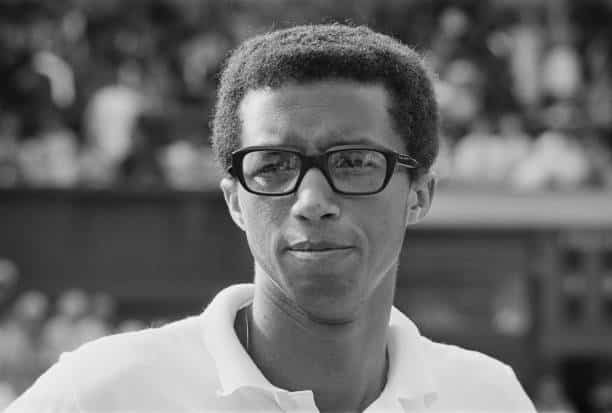
Even after his passing, Ashe’s impact endures. In addition to his achievements in tennis and activism, he founded the Arthur Ashe Foundation for the Defeat of AIDS, which focused on HIV/AIDS awareness, research, and advocacy.
His life story continues to inspire people today, and his name lives on through:
Arthur Ashe was more than just a tennis champion—he was a trailblazer, a humanitarian, and an advocate for those affected by HIV/AIDS. His determination to fight for justice, educate others, and break down barriers has left a lasting legacy that continues to inspire generations.
His story reminds us that true greatness is not just about personal achievements but about using one’s platform to make a difference in the world.


By subscribing, you consent to receive emails from BlackDoctor.com. You may unsubscribe at any time. Privacy Policy & Terms of Service.